Hey there! As a supplier of switchgear components, I often get asked about the grounding methods for these components. Grounding is super important in switchgear systems as it helps protect equipment, prevents electrical shock, and ensures the proper functioning of the entire setup. So, let's dive into the different grounding methods for switchgear components.
1. System Grounding
System grounding is all about connecting the neutral point of a power system to the ground. In switchgear, this is crucial for maintaining the stability of the electrical system. When the neutral is grounded, it provides a path for fault currents to flow safely to the ground. This helps in quickly detecting and clearing faults, reducing the risk of damage to the switchgear components.
For example, in a three - phase power system, the neutral point of the transformer is grounded. This grounding helps in balancing the voltage between the phases and provides a reference point for the electrical system. If there is a fault, such as a short - circuit to ground, the fault current will flow through the grounding conductor, and protective devices in the switchgear can trip to isolate the fault.
2. Equipment Grounding
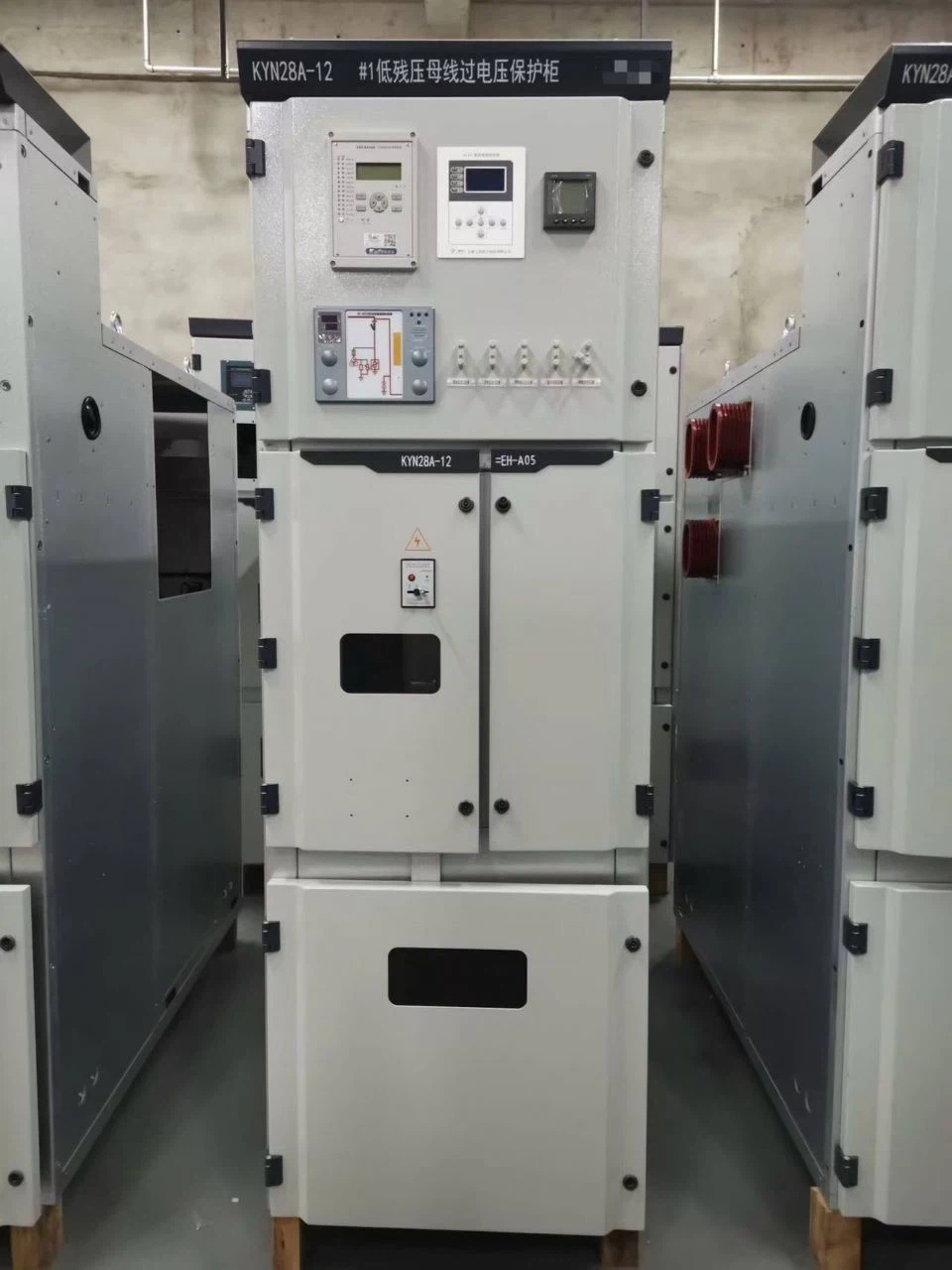
Equipment grounding is about connecting the non - current - carrying metal parts of the switchgear components to the ground. This includes the enclosures, frames, and other metal structures of the switchgear. The main purpose of equipment grounding is to protect people from electrical shock.
When a fault occurs in the switchgear, such as a short - circuit between a live conductor and the metal enclosure, the grounding conductor provides a low - resistance path for the fault current. This causes the protective devices, like circuit breakers, to trip, disconnecting the power supply and preventing the metal enclosure from becoming energized.
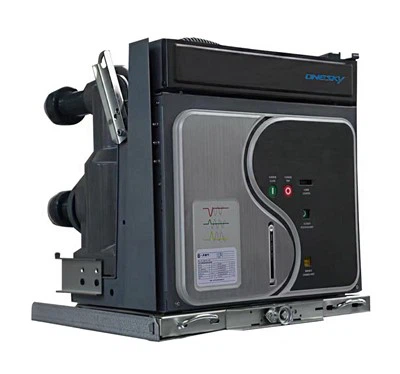
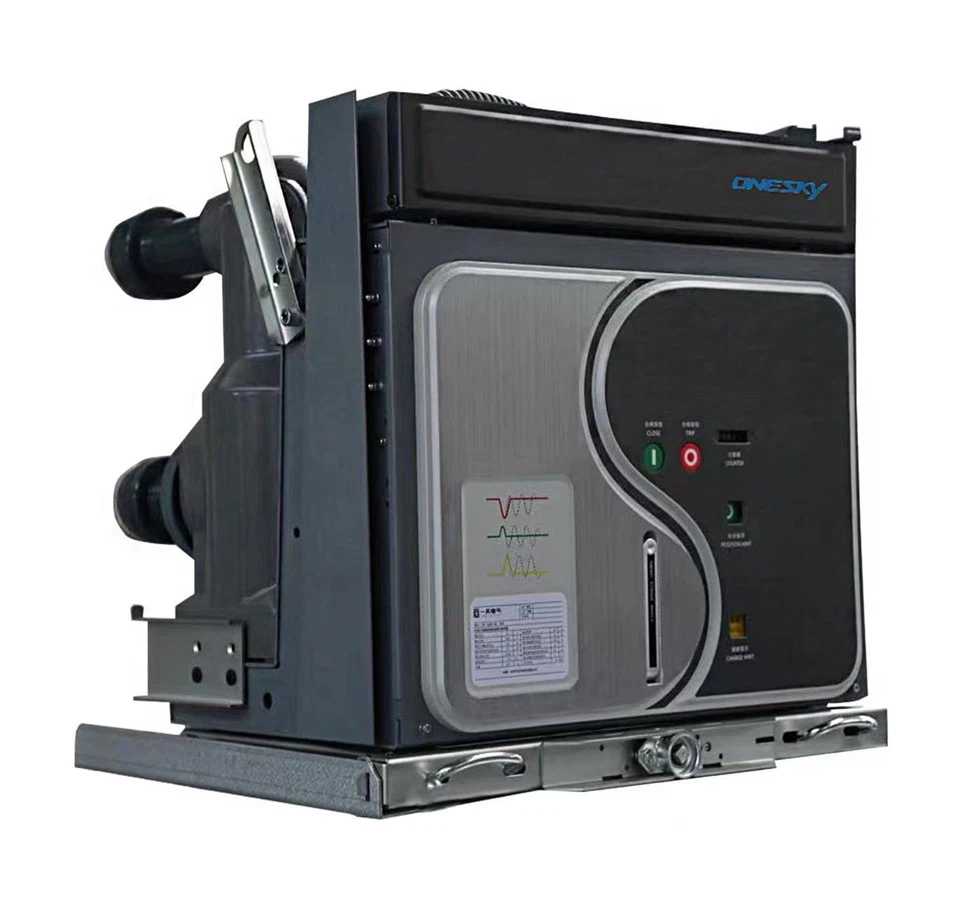
Let's say you have a High Voltage Vacuum Circuit Breaker. The metal housing of this circuit breaker needs to be properly grounded. If there is a fault inside the breaker, the grounding will ensure that the fault current is safely diverted to the ground, protecting anyone who might come in contact with the breaker.
3. Lightning and Surge Grounding
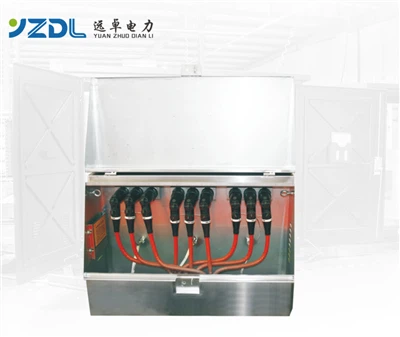
Lightning and surges can cause significant damage to switchgear components. To protect against these, we use lightning and surge grounding methods. Surge protection devices, like Surge Protection Cabinet and Polymer Housed Surge Arrester, are installed in the switchgear system.
These devices are connected to the ground through a low - impedance path. When a lightning strike or a voltage surge occurs, the surge protection devices divert the excess energy to the ground. This helps in preventing over - voltage damage to the switchgear components.
For instance, a polymer - housed surge arrester is designed to limit the voltage during a surge. It conducts the surge current to the ground, protecting the switchgear from the high - voltage spikes that could otherwise damage the components.
4. Bonding
Bonding is an important part of grounding in switchgear. It involves connecting all the metal parts of the switchgear together to create a continuous electrical path. This helps in equalizing the potential between different metal parts and reduces the risk of electrical shock.
For example, all the metal enclosures, frames, and busbars in the switchgear should be bonded together. This ensures that if there is a fault, the fault current can flow freely through the bonded metal parts and then to the ground.
Factors to Consider in Grounding
When choosing the grounding method for switchgear components, there are several factors to consider.
Soil Resistivity
The resistivity of the soil where the switchgear is installed plays a big role in grounding. If the soil has high resistivity, it can be more difficult to achieve a low - resistance grounding path. In such cases, additional grounding electrodes or grounding enhancement materials may be needed.
Fault Current Levels
The level of fault current that the switchgear is expected to handle also affects the grounding design. Higher fault current levels require a more robust grounding system to ensure that the fault current can be safely diverted to the ground.
Environmental Conditions
The environmental conditions, such as moisture, temperature, and corrosion, can also impact the grounding system. For example, in a humid environment, the grounding electrodes may corrode more quickly, reducing the effectiveness of the grounding. Regular maintenance and inspection of the grounding system are necessary to ensure its proper functioning.
Benefits of Proper Grounding
Proper grounding of switchgear components offers several benefits.
Safety
The most important benefit is safety. Grounding protects people from electrical shock by ensuring that any fault current is safely diverted to the ground. It also reduces the risk of electrical fires caused by short - circuits.
Equipment Protection
Grounding helps in protecting the switchgear components from damage. By providing a path for fault currents, it prevents over - voltage and over - current conditions that could damage the components.
System Reliability
A well - grounded switchgear system is more reliable. It reduces the chances of system failures and downtime, ensuring that the power supply remains stable.
How to Ensure Proper Grounding
To ensure proper grounding of switchgear components, it's important to follow the relevant standards and guidelines. These standards provide specifications for grounding electrode design, conductor sizing, and installation procedures.
Regular testing and inspection of the grounding system are also necessary. This includes measuring the grounding resistance to ensure that it is within the acceptable range. If the grounding resistance is too high, corrective actions, such as adding more grounding electrodes or using grounding enhancement materials, may be required.
Conclusion
In conclusion, grounding is a critical aspect of switchgear component installation. System grounding, equipment grounding, lightning and surge grounding, and bonding all play important roles in ensuring the safety, protection, and reliability of the switchgear system.
If you're in the market for high - quality switchgear components and need expert advice on grounding methods, don't hesitate to reach out. We're here to help you choose the right components and ensure that your switchgear system is properly grounded. Whether you're working on a small - scale project or a large - scale industrial installation, we've got the solutions you need.
References
- Electrical Safety Standards Handbook
- Switchgear Component Installation and Maintenance Manuals