As a seasoned professional in the renewable energy equipment industry, I've witnessed firsthand the remarkable advancements in wind turbine technology. Wind energy has emerged as a cornerstone of the global transition towards sustainable power generation, and understanding the capacity of typical wind turbine equipment is crucial for anyone involved in the field. In this blog post, I'll delve into the key factors that determine the capacity of wind turbines and explore how our company, as a leading renewable energy equipment supplier, offers solutions to meet diverse energy needs.
Understanding Wind Turbine Capacity
The capacity of a wind turbine refers to the maximum amount of electrical power it can generate under ideal conditions. This is typically measured in kilowatts (kW) or megawatts (MW). Several factors influence the capacity of a wind turbine, including its design, size, and the wind resources at the installation site.
Design and Technology
Modern wind turbines come in various designs, each optimized for different wind conditions and energy requirements. Horizontal-axis wind turbines (HAWTs) are the most common type, featuring blades that rotate around a horizontal axis. These turbines are highly efficient and can be scaled up to large sizes, making them suitable for utility-scale wind farms. Vertical-axis wind turbines (VAWTs), on the other hand, have blades that rotate around a vertical axis. While VAWTs are generally less efficient than HAWTs, they offer advantages in certain applications, such as urban environments or areas with variable wind directions.
The design of the turbine's blades also plays a crucial role in determining its capacity. Longer blades can capture more wind energy, resulting in higher power output. Additionally, advanced blade designs, such as those with aerodynamic profiles and variable pitch control, can improve the turbine's efficiency and performance.
Size and Dimensions
The size of a wind turbine is directly related to its capacity. Larger turbines generally have higher capacities, as they can capture more wind energy. The height of the turbine's tower is also an important factor, as it allows the blades to access stronger and more consistent winds at higher altitudes.
In recent years, there has been a trend towards larger and more powerful wind turbines. The average capacity of onshore wind turbines has increased from around 1 MW in the early 2000s to over 3 MW today, with some turbines reaching capacities of 5 MW or more. Offshore wind turbines are even larger, with capacities ranging from 6 MW to over 12 MW.
Wind Resources
The wind resources at the installation site are a critical factor in determining the capacity of a wind turbine. Wind speed, direction, and turbulence all affect the amount of energy that can be captured by the turbine. Sites with high average wind speeds and low turbulence are ideal for wind energy generation.
To assess the wind resources at a potential installation site, detailed wind measurements are typically conducted over a period of several months or years. This data is used to determine the wind speed distribution, power density, and other parameters that are used to design and optimize the wind turbine system.
Typical Capacity Ranges
The capacity of a typical wind turbine can vary widely depending on its size, design, and the wind resources at the installation site. Here are some general capacity ranges for different types of wind turbines:
Small-Scale Wind Turbines
Small-scale wind turbines are typically used for residential or small commercial applications. These turbines have capacities ranging from a few kilowatts to around 100 kW. They are often installed on rooftops or in small wind farms and can provide a significant portion of the energy needs for a home or business.
Medium-Scale Wind Turbines
Medium-scale wind turbines are commonly used in community wind projects or small utility-scale wind farms. These turbines have capacities ranging from 100 kW to 1 MW. They are typically installed on towers that are 20 to 50 meters tall and can generate enough electricity to power several hundred homes.
Large-Scale Wind Turbines
Large-scale wind turbines are used in utility-scale wind farms, which are typically located in areas with high wind resources. These turbines have capacities ranging from 1 MW to over 12 MW. They are installed on towers that are 80 to 150 meters tall and can generate enough electricity to power thousands of homes.
Our Renewable Energy Equipment Solutions
As a leading renewable energy equipment supplier, we offer a wide range of wind turbine equipment and related products to meet the diverse needs of our customers. Our product portfolio includes:
Wind Turbines
We offer a variety of wind turbines with capacities ranging from small-scale residential turbines to large-scale utility turbines. Our turbines are designed and manufactured to the highest standards of quality and performance, and they are backed by our comprehensive warranty and support services.
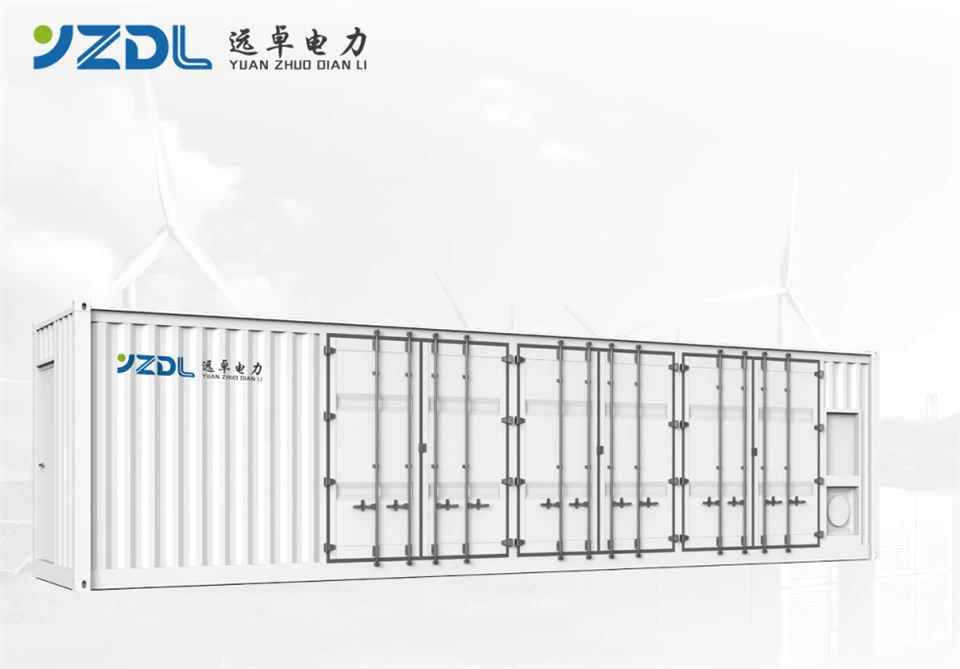
Integrated Energy Storage Cabin
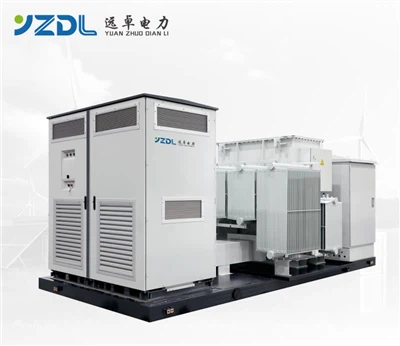
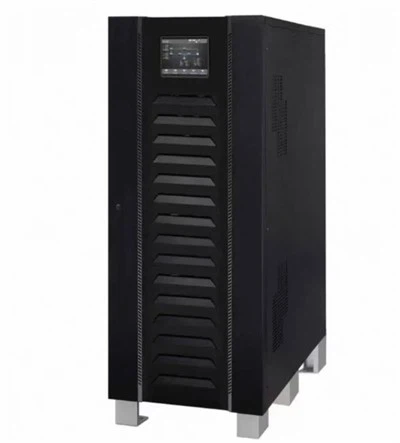
Our integrated energy storage cabins are designed to store excess energy generated by wind turbines and other renewable energy sources. These cabins use advanced battery technology to provide reliable and efficient energy storage solutions, allowing our customers to maximize the use of their renewable energy systems.
PV Prefabricated Cabin
Our PV prefabricated cabins are designed to house photovoltaic (PV) panels and other components of a solar power system. These cabins are prefabricated and can be easily installed on-site, providing a cost-effective and efficient solution for solar energy generation.
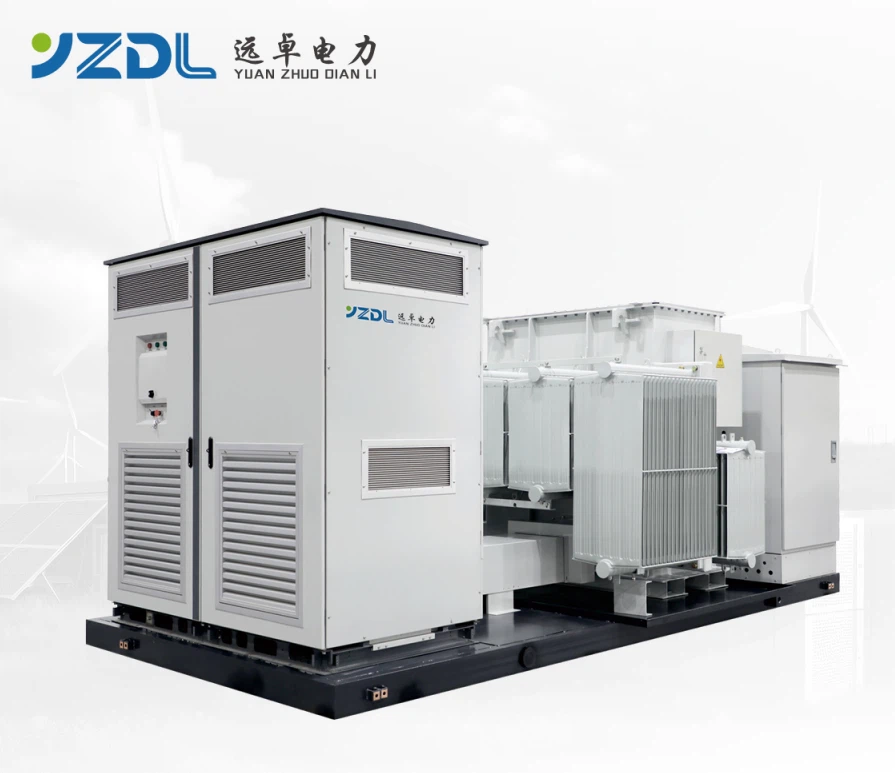
Containerized Substation
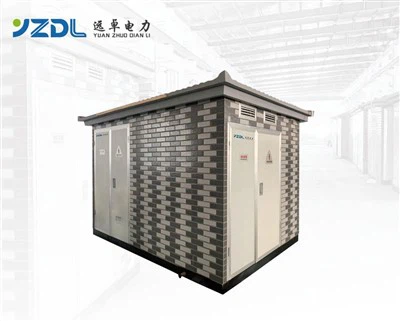
Our containerized substations are designed to transform and distribute the electricity generated by wind turbines and other renewable energy sources. These substations are housed in weatherproof containers and can be easily transported and installed on-site, providing a reliable and efficient solution for power distribution.
Contact Us for Procurement and Collaboration
If you're interested in learning more about our renewable energy equipment or discussing your specific energy needs, we encourage you to contact us. Our team of experts is available to provide you with detailed information about our products and services, as well as to assist you in selecting the right equipment for your project.
Whether you're a residential customer looking to install a small wind turbine or a large utility company planning a major wind farm, we have the expertise and resources to help you achieve your renewable energy goals. Contact us today to start the conversation and take the first step towards a more sustainable future.
References
- American Wind Energy Association. (n.d.). Wind Energy Basics. Retrieved from https://www.awea.org/learnabout/wind-energy-basics
- International Renewable Energy Agency. (2021). Renewable Energy Statistics 2021. Retrieved from https://www.irena.org/publications/2021/May/Renewable-Energy-Statistics-2021
- National Renewable Energy Laboratory. (n.d.). Wind Turbine Siting and Sizing. Retrieved from https://www.nrel.gov/wind/siting-sizing.html