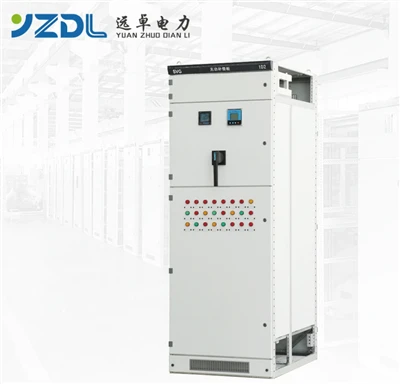
A PLC control cabinet generally includes the following five parts:
Air Switch:A main air switch, which controls the power supply for the entire cabinet. This is a necessary component in every cabinet.
PLC: This depends on the project requirements. For example, a small project might use a single integrated PLC, while a larger project might require modular or card-based PLCs, and redundancy (i.e., two sets used alternately).
Power Supply: A 24VDC switching power supply. Most PLCs have a built-in 24VDC power supply; whether or not this additional power supply is needed depends on its specific requirements.
Relays:Generally, the PLC can directly send commands to the control circuit, but relays may be used as intermediaries. For example, if your PLC output is 24VDC, but your control circuit diagram requires the PLC to supply 220VAC, then you must add a relay to the PLC output. When a command is issued, the relay activates, and the control circuit node is then connected to the relay's normally open or normally closed contact. Whether to use a relay depends on the specific situation.
Terminal blocks are essential for every control cabinet. The configuration depends on the number of signals. If it's just a simple PLC control cabinet, these are basically all you need. If your control cabinet needs to supply other components, you'll need to add more. For example, if you need to power field instruments or small control boxes, you might need to increase the number of circuit breakers. Or if you need to connect the PLC to a host computer, you might need to add a switch, etc. It depends on the situation.