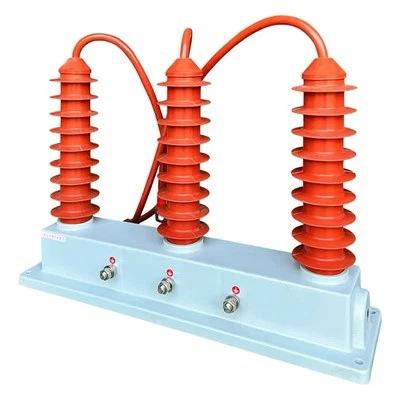
As a supplier of Polymer Housed Surge Arresters, ensuring proper grounding of these devices is of utmost importance. A well - grounded surge arrester not only protects electrical equipment from overvoltage surges but also guarantees the safety of personnel and the reliability of the power system. In this blog, I will share some key aspects on how to ensure the proper grounding of a Polymer Housed Surge Arrester.
Understanding the Importance of Grounding
Before delving into the methods of grounding, it's essential to understand why grounding is so crucial for a Polymer Housed Surge Arrester. Surge arresters are designed to divert excessive electrical energy from lightning strikes or switching surges to the ground. Without proper grounding, the arrester cannot effectively discharge the surge current, which may lead to equipment damage, power outages, and even pose a safety risk.
Selecting the Right Grounding System
The first step in ensuring proper grounding is to select an appropriate grounding system. There are several types of grounding systems available, including single - point grounding, multi - point grounding, and hybrid grounding.
- Single - point grounding: This system connects all the grounding conductors to a single point. It is suitable for small - scale electrical systems where the risk of interference is relatively low. In the case of Polymer Housed Surge Arresters, single - point grounding can be used when the arrester is installed in a simple electrical setup, such as a small industrial facility or a residential building.
- Multi - point grounding: In a multi - point grounding system, the grounding conductors are connected to multiple points. This system is more effective in reducing the impedance of the grounding path, especially in large - scale electrical systems. For large power plants or substations where Polymer Housed Surge Arresters are installed, multi - point grounding can provide a more reliable path for surge current discharge.
- Hybrid grounding: A hybrid grounding system combines the advantages of single - point and multi - point grounding. It can be used in complex electrical systems where different grounding requirements need to be met.
Grounding Electrode Selection
The grounding electrode is a key component of the grounding system. It provides a low - resistance path for the surge current to flow into the ground. When selecting a grounding electrode for a Polymer Housed Surge Arrester, the following factors should be considered:


- Material: Common materials for grounding electrodes include copper, galvanized steel, and graphite. Copper has excellent electrical conductivity and corrosion resistance, making it a popular choice. Galvanized steel is also widely used due to its relatively low cost and good mechanical strength. Graphite electrodes are suitable for areas with high soil resistivity.
- Size and shape: The size and shape of the grounding electrode affect its grounding resistance. Generally, a larger electrode has a lower grounding resistance. The shape of the electrode, such as a rod, plate, or grid, also needs to be selected according to the specific installation environment.
Installation of the Grounding System
Proper installation of the grounding system is crucial for ensuring the effectiveness of the Polymer Housed Surge Arrester. Here are some key installation steps:
- Laying the grounding electrode: The grounding electrode should be buried deep enough in the ground to ensure good contact with the soil. The depth of burial usually depends on the soil conditions and the type of electrode. For example, a copper rod electrode should be buried at least 2.5 meters deep.
- Connecting the grounding conductor: The grounding conductor should be connected to the arrester and the grounding electrode securely. The connection should be made using appropriate connectors, such as clamps or welds, to ensure low - resistance electrical contact.
- Testing the grounding resistance: After the installation, the grounding resistance should be tested to ensure that it meets the requirements. The grounding resistance should be as low as possible, typically less than 10 ohms. If the grounding resistance is too high, additional measures, such as adding more grounding electrodes or using grounding enhancers, may be required.
Maintenance and Monitoring
Once the grounding system is installed, regular maintenance and monitoring are necessary to ensure its long - term effectiveness.
- Visual inspection: Regular visual inspections should be carried out to check for any signs of damage or corrosion to the grounding electrode and the grounding conductor. Any damaged parts should be repaired or replaced in a timely manner.
- Grounding resistance measurement: Periodic measurement of the grounding resistance is essential to detect any changes in the grounding system. If the grounding resistance increases significantly, it may indicate a problem with the grounding system, such as a loose connection or corrosion.
- Surge arrester performance monitoring: Monitoring the performance of the Polymer Housed Surge Arrester can also provide valuable information about the grounding system. If the arrester experiences frequent failures or abnormal operation, it may be related to the grounding system.
Related Products and Their Role in Grounding
In addition to Polymer Housed Surge Arresters, other products can also play a role in ensuring proper grounding and surge protection.
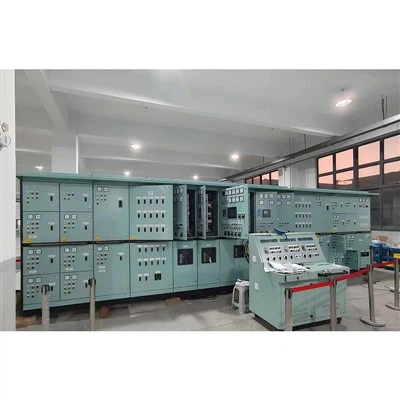
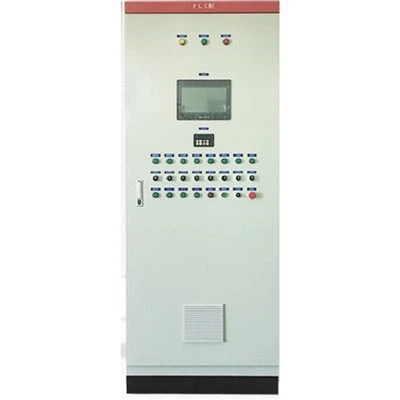
- Surge Protection Cabinet: A surge protection cabinet can provide a centralized location for installing surge arresters and other protection devices. It can also help to organize the grounding system and improve the overall reliability of the surge protection system.
- High Voltage Vacuum Circuit Breaker: High voltage vacuum circuit breakers can be used in conjunction with surge arresters to protect the electrical system from overvoltage and short - circuit faults. They can also help to isolate the faulty part of the system and prevent further damage.
Conclusion
Proper grounding of a Polymer Housed Surge Arrester is essential for the protection of electrical equipment and the safety of personnel. By selecting the right grounding system, grounding electrode, and following proper installation, maintenance, and monitoring procedures, we can ensure that the surge arrester functions effectively. If you are interested in purchasing Polymer Housed Surge Arrester or need more information about surge protection solutions, please feel free to contact us for further discussion and negotiation.
References
- IEEE Standard for Surge Arresters - Selection and Application Recommendations (IEEE C62.92.3)
- National Electrical Code (NEC) for grounding requirements
- Manufacturer's installation and maintenance manuals for Polymer Housed Surge Arresters