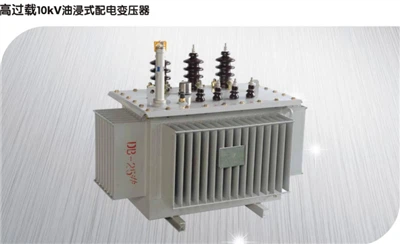
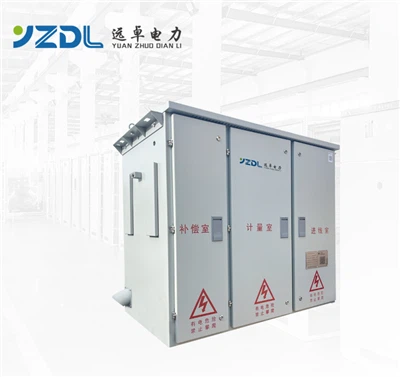
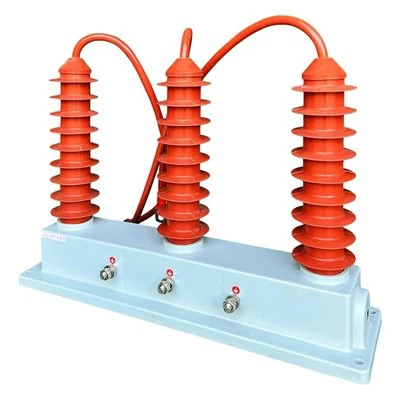
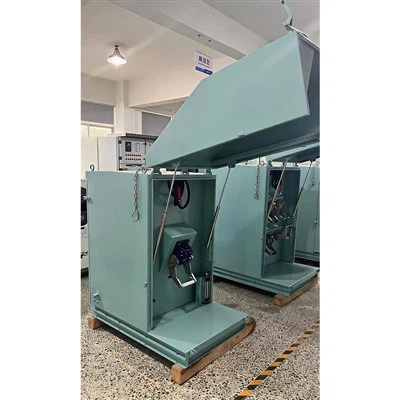
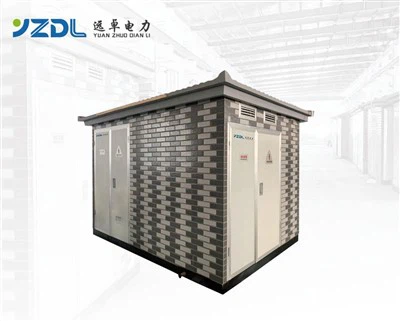
Hey there! As a supplier of Immersed Transformers, I've seen firsthand how crucial it is to evaluate their performance accurately. In this blog post, I'll share some key aspects to consider when assessing the performance of an Immersed Transformer.
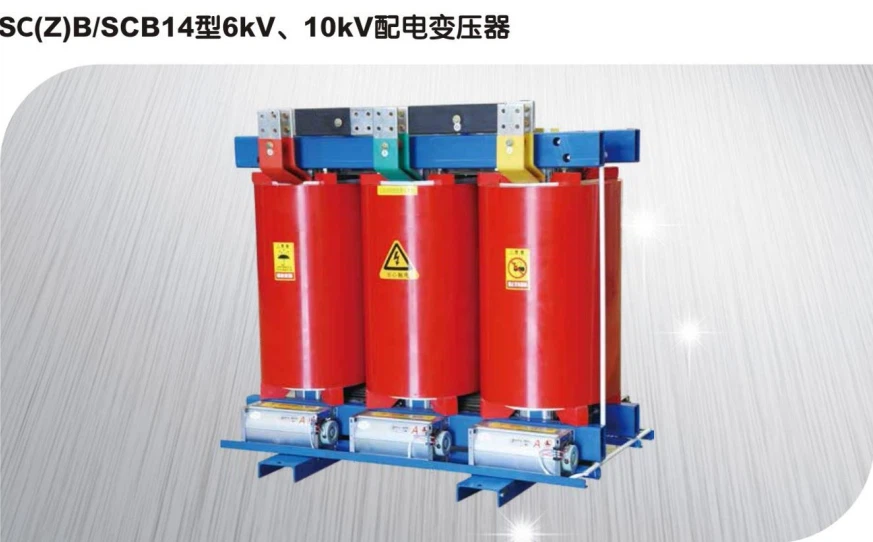
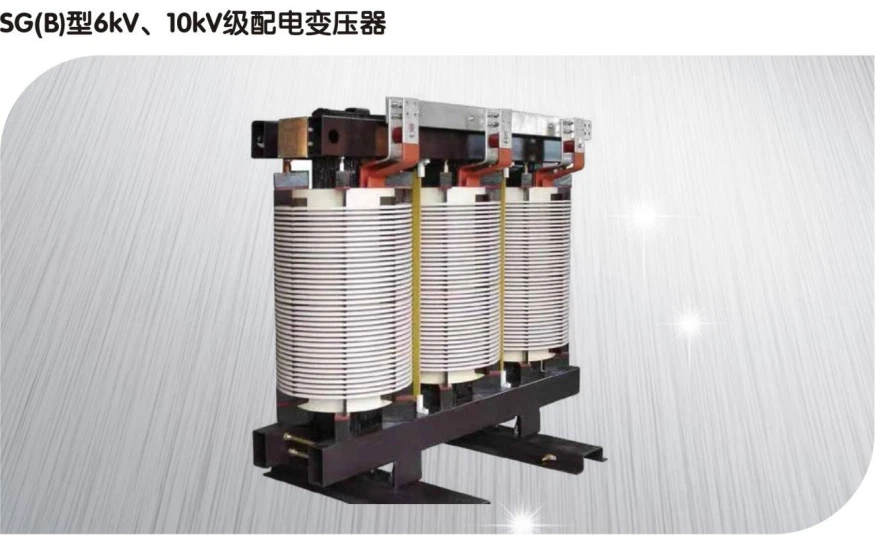
1. Efficiency
Efficiency is one of the most important factors when it comes to evaluating an Immersed Transformer. It's all about how well the transformer converts electrical energy from the primary side to the secondary side with minimal losses. Higher efficiency means less energy is wasted as heat, which not only saves money but also reduces environmental impact.
To calculate the efficiency of a transformer, you use the formula: Efficiency = (Output Power / Input Power) x 100%. A well - designed Immersed Transformer can have an efficiency of over 95%. You can measure the input and output power using appropriate electrical meters. For example, if you have a transformer with an input power of 1000 watts and an output power of 960 watts, the efficiency would be (960 / 1000) x 100% = 96%.
2. Load Capacity
The load capacity of an Immersed Transformer refers to the maximum amount of electrical load it can handle without overheating or causing performance issues. It's usually rated in kilovolt - amperes (kVA). When evaluating the load capacity, you need to consider the actual load requirements of your application.
If you're using the transformer in a commercial building, for instance, you'll need to calculate the total power consumption of all the electrical devices that will be connected to it. Make sure the transformer's load capacity is sufficient to handle the peak loads. Overloading a transformer can lead to overheating, reduced lifespan, and even safety hazards. You can find more information about Immersed Transformers and their load capacities on our website Immersed Transformer.
3. Temperature Rise
Temperature rise is another critical factor in evaluating the performance of an Immersed Transformer. Transformers generate heat during operation due to the resistance in their windings and core losses. Excessive temperature rise can damage the insulation and reduce the transformer's lifespan.
The temperature rise is usually measured relative to the ambient temperature. Most Immersed Transformers are designed to operate within a certain temperature range. For example, a common maximum temperature rise for a transformer might be 65°C above the ambient temperature. You can use temperature sensors to monitor the temperature of the transformer's windings and oil. If the temperature rise is too high, it could indicate a problem such as overloading, poor ventilation, or a fault in the transformer.
4. Voltage Regulation
Voltage regulation is the ability of a transformer to maintain a relatively constant output voltage under varying load conditions. A good Immersed Transformer should have low voltage regulation. When the load on the transformer changes, the output voltage should not fluctuate significantly.
The voltage regulation is calculated as: Voltage Regulation = [(No - Load Voltage - Full - Load Voltage) / Full - Load Voltage] x 100%. A lower percentage indicates better voltage regulation. For example, if the no - load voltage is 480 volts and the full - load voltage is 460 volts, the voltage regulation is [(480 - 460) / 460] x 100% ≈ 4.35%.
5. Sound Level
The sound level of an Immersed Transformer is also an important consideration, especially in applications where noise can be a problem, such as in residential areas or hospitals. Transformers produce a humming sound due to the magnetostriction of the core laminations.
The sound level is measured in decibels (dB). A well - designed transformer should have a low sound level. You can use a sound level meter to measure the noise produced by the transformer. If the sound level is too high, it could be a sign of a problem with the transformer's core or mounting.
6. Insulation Resistance
Insulation resistance is a measure of the electrical resistance between the windings and the transformer's core or between different windings. A high insulation resistance indicates good insulation and helps prevent electrical leakage and short - circuits.
You can use an insulation resistance tester to measure the insulation resistance. The insulation resistance should be within the manufacturer's specified range. A low insulation resistance could indicate moisture ingress, damage to the insulation, or other problems.
7. Comparison with Dry Type Pad Mounted Transformers
It's also useful to compare Immersed Transformers with Dry Type Pad Mounted Transformers. Dry type transformers are often used in applications where there is a risk of fire or where oil - filled transformers are not allowed.
Immersed Transformers, on the other hand, are generally more efficient and can handle higher loads. They also have better heat dissipation due to the oil cooling. However, they require more maintenance and have a higher risk of oil leakage. When choosing between the two, you need to consider the specific requirements of your application, such as the environment, load capacity, and safety concerns.
8. Maintenance and Serviceability
The ease of maintenance and serviceability of an Immersed Transformer is an important factor in its overall performance. A transformer that is easy to maintain will have a longer lifespan and fewer breakdowns.
Regular maintenance tasks include checking the oil level, inspecting the insulation, and testing the electrical connections. You should also follow the manufacturer's recommended maintenance schedule. If a transformer is difficult to access or requires specialized tools for maintenance, it can increase the cost and downtime.
Conclusion
Evaluating the performance of an Immersed Transformer involves considering multiple factors such as efficiency, load capacity, temperature rise, voltage regulation, sound level, insulation resistance, and maintenance requirements. By carefully assessing these aspects, you can ensure that you choose the right transformer for your application and get the best performance out of it.
If you're interested in purchasing an Immersed Transformer or have any questions about their performance evaluation, feel free to reach out. We're here to help you make the right choice for your electrical needs.
References
- Electrical Engineering Textbooks
- Manufacturer's Technical Documents