Hey there! As a supplier of Shore Power Outlet Boxes, I often get asked if these nifty devices can be used in different countries. Well, let's dive right into it and explore this question.
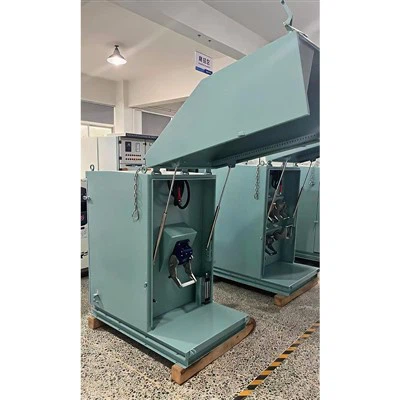
First things first, what exactly is a Shore Power Outlet Box? It's a crucial component for boats and other marine vessels. It provides a safe and convenient way to connect a vessel to the shore-based electrical supply. This is super important as it allows boats to power up their appliances, charge batteries, and run various systems while docked.
Now, when it comes to using a Shore Power Outlet Box in different countries, there are a few key factors to consider. One of the most significant factors is the electrical standards and regulations. Each country has its own set of rules regarding electrical systems, including voltage, frequency, and plug types.
Let's start with voltage. In the United States, the standard voltage for residential and most commercial applications is 120V at 60Hz. However, in many other countries, such as those in Europe, the standard voltage is 230V at 50Hz. This difference in voltage can be a major hurdle when trying to use a Shore Power Outlet Box across borders. If you plug a device designed for 120V into a 230V outlet without the proper voltage conversion, you could end up damaging your equipment or even causing a fire.
Frequency is another important consideration. The difference between 50Hz and 60Hz can affect the performance of electrical devices. Some appliances are designed to operate at a specific frequency, and using them at the wrong frequency can lead to reduced efficiency or even malfunction.
Plug types also vary from country to country. For example, in the United States, the most common plug type is the NEMA 5-15, which has two flat prongs and a grounding pin. In Europe, the standard plug type is the Type C or Type F, which have two round prongs. If your Shore Power Outlet Box has a plug that doesn't match the outlet in a particular country, you'll need to use an adapter. However, it's important to note that not all adapters are created equal, and using the wrong adapter can be dangerous.
So, can a Shore Power Outlet Box be used in different countries? The short answer is yes, but with some caveats. If you're planning to use your Shore Power Outlet Box in a different country, you'll need to make sure it's compatible with the local electrical standards. This may involve using a voltage converter, a frequency converter, or the appropriate plug adapter.
At our company, we understand the challenges of using electrical equipment across different countries. That's why we offer a range of Shore Power Outlet Boxes that are designed to be versatile and adaptable. Our products are built to meet the highest safety standards and can be easily customized to suit the specific requirements of different countries.
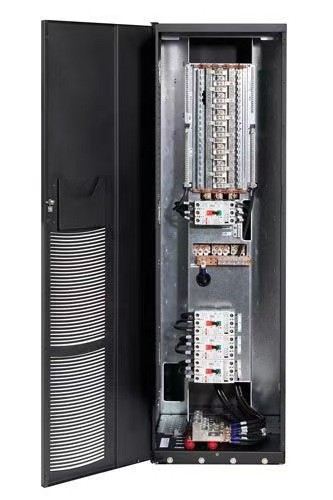
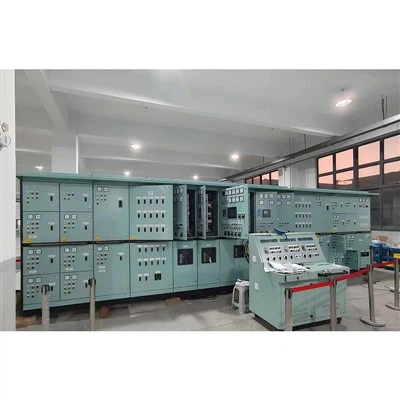
In addition to our Shore Power Outlet Boxes, we also offer other marine electrical products, such as Vertical PLC Control Cabinet and Ship's Main Switchboard. These products are essential for ensuring the safe and efficient operation of marine electrical systems.


If you're in the market for a Shore Power Outlet Box or other marine electrical products, we'd love to hear from you. We have a team of experts who can help you choose the right product for your needs and provide you with all the information you need to make an informed decision. Whether you're a boat owner, a marina operator, or a marine electrician, we're here to support you.
In conclusion, while using a Shore Power Outlet Box in different countries can be challenging, it's definitely possible with the right equipment and precautions. By understanding the electrical standards and regulations of different countries and using the appropriate adapters and converters, you can ensure that your Shore Power Outlet Box works safely and effectively wherever you go.
So, if you have any questions or need more information about our Shore Power Outlet Boxes or other marine electrical products, don't hesitate to reach out. We're here to help you get the most out of your marine electrical systems.
References:
- Electrical standards and regulations vary by country. Consult local authorities or electrical experts for specific information.
- When using adapters and converters, make sure they are certified and meet the relevant safety standards.