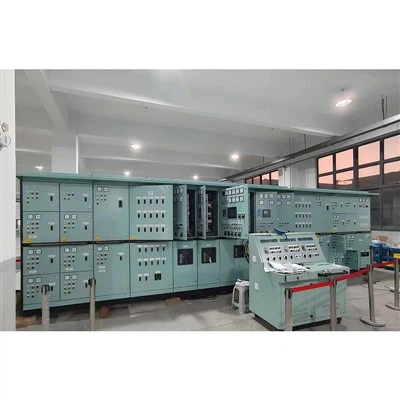
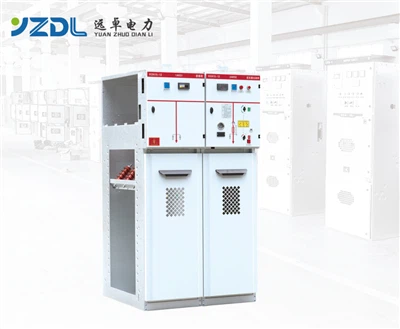
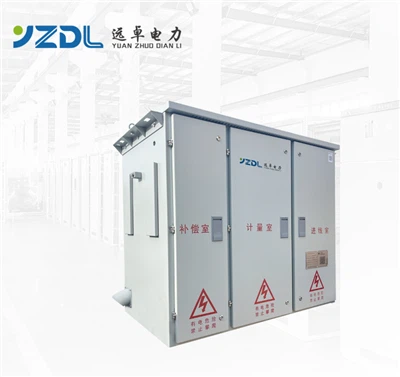
Automation features have revolutionized the operation and management of ship's main switchboards, enhancing safety, efficiency, and reliability in marine electrical systems. As a leading supplier of Ship's Main Switchboard, I am excited to delve into the various automation features that make these switchboards an indispensable component of modern vessels.
Remote Monitoring and Control
One of the most significant automation features of a ship's main switchboard is remote monitoring and control. Through advanced communication protocols and network connectivity, operators can monitor the status of the switchboard and its associated electrical equipment from a central control room or even remotely via the internet. This allows for real - time monitoring of parameters such as voltage, current, power, and temperature.
For example, if an abnormal increase in current is detected in a particular circuit, the system can send an alert to the operator, who can then take immediate action to prevent potential damage or electrical faults. Remote control capabilities also enable operators to start, stop, or reconfigure electrical circuits without having to be physically present at the switchboard. This not only saves time but also improves safety, especially in hazardous or hard - to - reach areas of the ship.
Load Management
Automated load management is another crucial feature of a ship's main switchboard. The switchboard can automatically distribute electrical loads across different generators and circuits based on the demand. During periods of low demand, the system can shut down unnecessary generators to save fuel and reduce wear and tear on the equipment.
Conversely, when the demand increases, the switchboard can start additional generators and rebalance the load to ensure a stable power supply. This intelligent load management helps to optimize the energy consumption of the ship, leading to significant cost savings over time. Moreover, it also enhances the overall reliability of the electrical system by preventing overloading of individual circuits.
Fault Detection and Isolation
Automation in ship's main switchboards includes sophisticated fault detection and isolation mechanisms. The switchboard is equipped with sensors and monitoring devices that continuously check for faults such as short - circuits, over - currents, and under - voltages. When a fault is detected, the system can quickly isolate the affected circuit to prevent the spread of the fault to other parts of the electrical system.
For instance, if a short - circuit occurs in a specific circuit, the switchboard can automatically trip the corresponding circuit breaker, disconnecting the faulty circuit from the rest of the system. This rapid response helps to minimize downtime and damage to the electrical equipment. Additionally, the system can record detailed information about the fault, such as the time of occurrence, the location, and the type of fault, which can be used for troubleshooting and maintenance purposes.
Automatic Synchronization
In ships with multiple generators, automatic synchronization is a vital automation feature. The main switchboard can automatically synchronize the output of different generators in terms of voltage, frequency, and phase angle. This ensures that the generators can operate in parallel, sharing the electrical load evenly.
When a new generator is brought online, the switchboard's automation system can adjust its output parameters to match those of the existing generators. Once synchronized, the generators can work together to provide a stable and reliable power supply to the ship. Automatic synchronization also simplifies the process of starting and stopping generators, reducing the risk of electrical disturbances.


Protection and Safety Features
Automated protection and safety features are built into the ship's main switchboard to safeguard the electrical system and the crew. These features include over - current protection, over - voltage protection, under - voltage protection, and earth - fault protection.
Over - current protection devices, such as circuit breakers, can automatically trip when the current in a circuit exceeds a pre - set limit. Over - voltage and under - voltage protection ensure that the voltage supplied to the electrical equipment remains within a safe range. Earth - fault protection detects any leakage of current to the ground and takes appropriate action to prevent electrical shocks and fires.
Integration with Other Systems
A modern ship's main switchboard can be integrated with other shipboard systems, such as the propulsion system, navigation system, and safety systems. This integration allows for seamless communication and coordination between different systems, improving the overall efficiency and safety of the ship.
For example, the main switchboard can receive information from the propulsion system about the power requirements based on the ship's speed and maneuvering. It can then adjust the electrical load distribution accordingly. Integration with the navigation system can also ensure that the electrical power is available to critical navigation equipment at all times.
Programmable Logic Controller (PLC) Integration
Many ship's main switchboards are now integrated with Programmable Logic Controllers (PLCs). PLCs provide a flexible and powerful way to automate the operation of the switchboard. They can be programmed to perform a wide range of tasks, such as controlling the start and stop of generators, monitoring and controlling the load distribution, and implementing safety protocols.
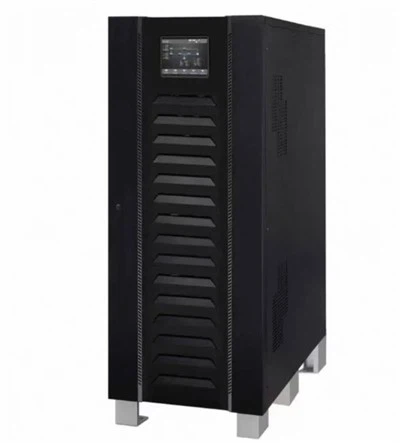
The Vertical PLC Control Cabinet is an excellent example of a product that can be used in conjunction with the ship's main switchboard. It offers a compact and efficient solution for housing the PLC and its associated control components.
Shore Power Connection Automation
When a ship is docked at a port, it can connect to the shore power supply. The ship's main switchboard can be automated to handle the shore power connection process. It can detect the availability of shore power, check the compatibility of the shore power supply with the ship's electrical system, and automatically switch the ship's electrical load from the onboard generators to the shore power.
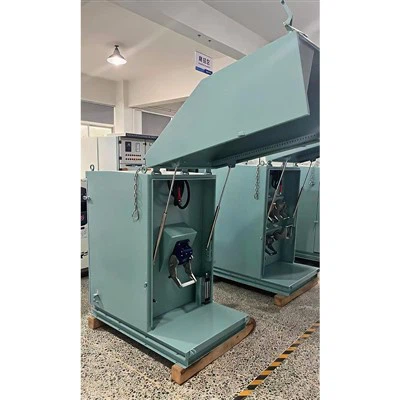
The Shore Power Outlet Box is an important component in this process. It provides a safe and reliable connection point for the ship to access the shore power.
Conclusion
The automation features of a ship's main switchboard play a crucial role in ensuring the safe, efficient, and reliable operation of a ship's electrical system. From remote monitoring and control to load management, fault detection, and integration with other systems, these features offer numerous benefits to ship operators.
As a supplier of high - quality Ship's Main Switchboard, we are committed to providing the latest automation technologies to our customers. Our products are designed to meet the strictest international standards and regulations, ensuring the highest level of performance and safety.
If you are interested in learning more about our ship's main switchboards and their automation features, or if you are considering a purchase for your vessel, we encourage you to contact us for a detailed discussion. Our team of experts is ready to assist you in finding the best solution for your specific needs.
References
- Marine Electrical Engineering Handbook, Second Edition.
- International Maritime Organization (IMO) regulations on electrical safety on ships.