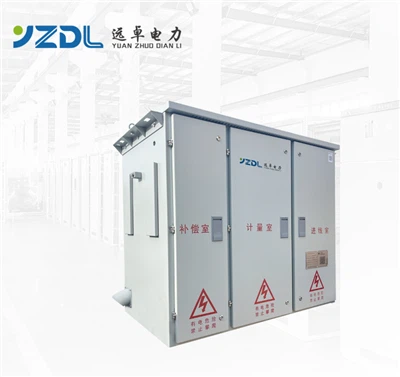
As a supplier of Industrial Line - frequency UPS, I am often asked about the efficiency of these power - protection devices. In this blog, I will delve into the topic of what the efficiency of an Industrial Line - frequency UPS truly means, its significance, and how it impacts industrial operations.
Understanding Industrial Line - frequency UPS
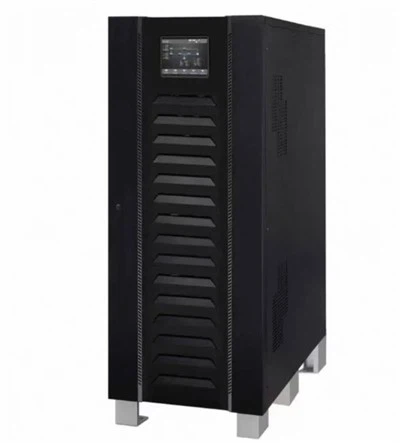
Industrial Line - frequency UPS systems are designed to provide reliable power backup for industrial applications. They operate at the line frequency, typically 50Hz or 60Hz, and are known for their robustness and long - term stability. These UPS units are often used in environments where power quality is critical, such as manufacturing plants, data centers, and healthcare facilities.
The basic working principle of an Industrial Line - frequency UPS involves rectifying the incoming AC power to DC, storing the energy in batteries, and then inverting the DC power back to AC when needed. This process ensures a continuous and stable power supply, even in the event of a power outage or voltage fluctuation.
Defining Efficiency in Industrial Line - frequency UPS
Efficiency in an Industrial Line - frequency UPS is defined as the ratio of the output power to the input power, expressed as a percentage. Mathematically, it can be represented as:
[Efficiency(%)=\frac{Output\ Power}{Input\ Power}\times100]
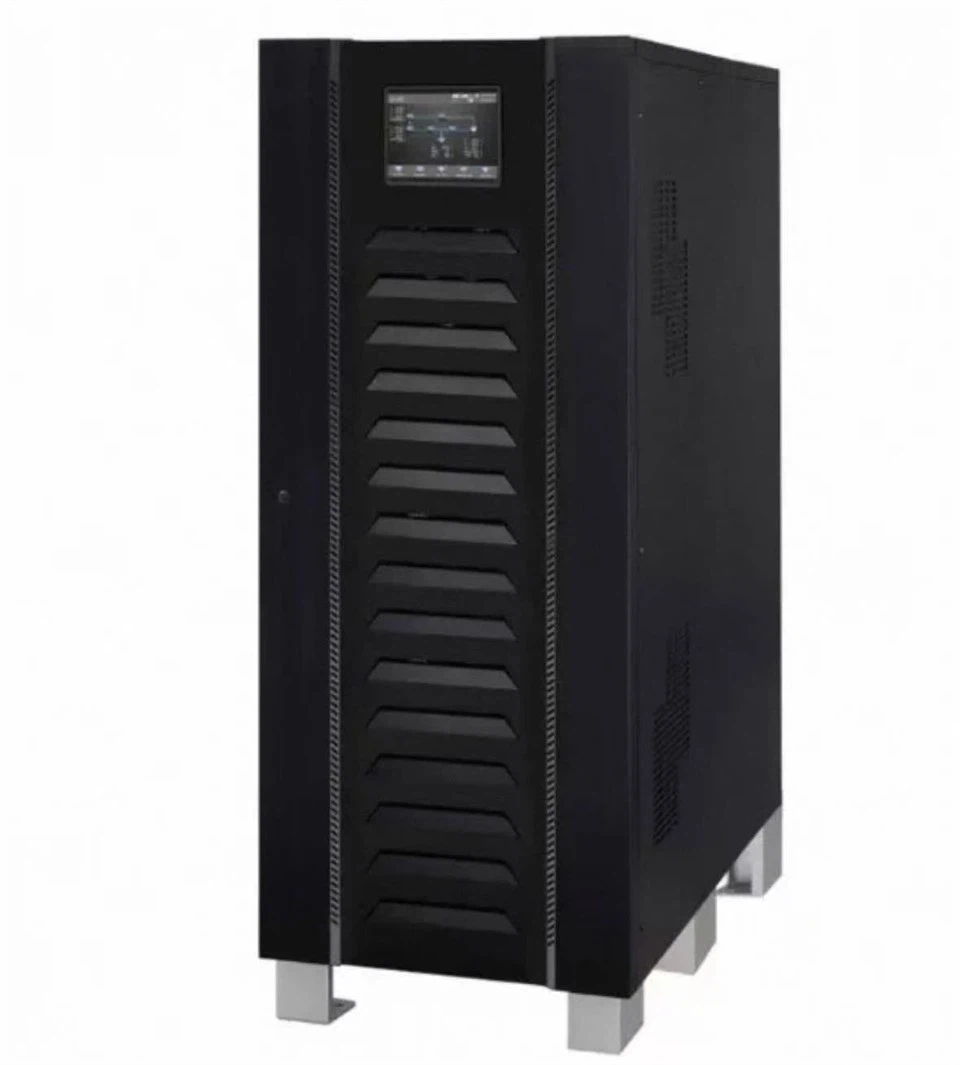
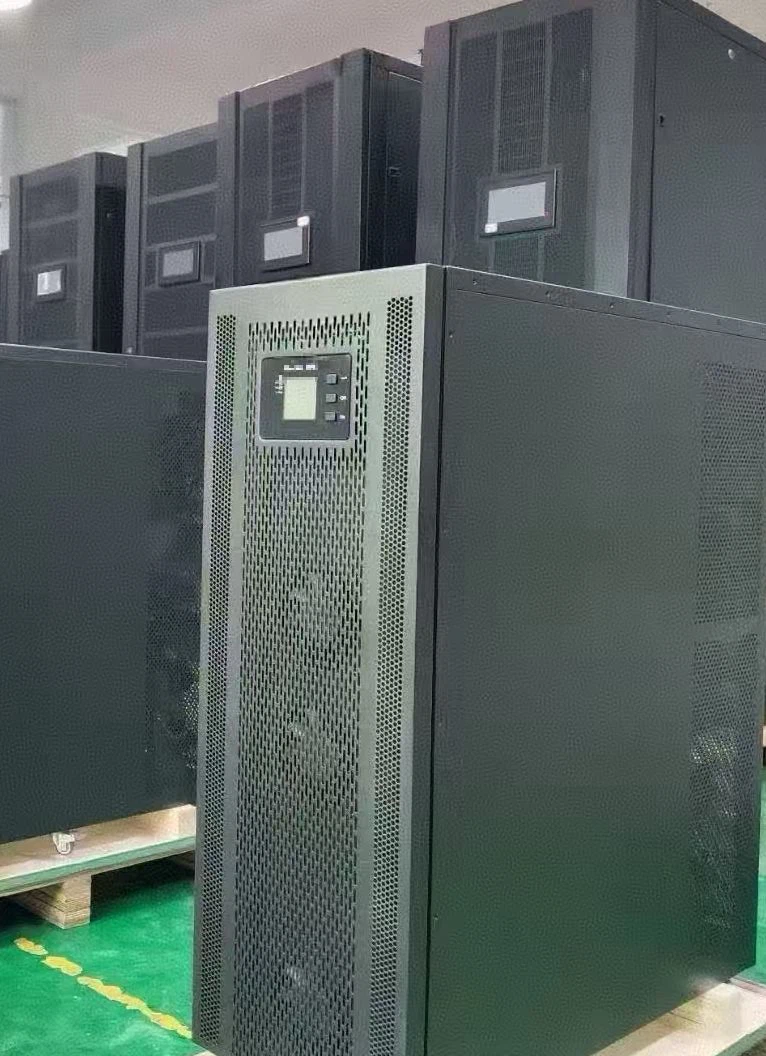
A higher efficiency means that less power is wasted during the conversion process from AC to DC and back to AC. For example, if an Industrial Line - frequency UPS has an efficiency of 90%, it means that for every 100 watts of input power, 90 watts are delivered to the load, and 10 watts are lost as heat.
Factors Affecting the Efficiency of Industrial Line - frequency UPS
- Load Level: The efficiency of an Industrial Line - frequency UPS is highly dependent on the load level. Most UPS units have a peak efficiency at a certain load percentage, usually around 50% - 70% of their rated capacity. At very low or very high load levels, the efficiency tends to decrease. For instance, when the load is too low, the UPS may consume more power to maintain its internal operations, resulting in lower efficiency.
- Component Quality: The quality of the components used in the UPS, such as the rectifier, inverter, and batteries, has a significant impact on efficiency. High - quality components are designed to minimize power losses during the conversion process. For example, a well - designed inverter can convert DC power to AC power with less energy loss, thereby improving the overall efficiency of the UPS.
- Operating Temperature: The operating temperature of the UPS also affects its efficiency. As the temperature increases, the internal resistance of the components, especially the batteries, also increases. This leads to higher power losses and lower efficiency. Therefore, it is important to maintain the UPS in a suitable temperature environment to ensure optimal efficiency.
Significance of Efficiency in Industrial Applications
- Cost Savings: A high - efficiency Industrial Line - frequency UPS can result in significant cost savings over time. Since less power is wasted, the electricity bill is reduced. In industrial settings where large amounts of power are consumed, even a small increase in efficiency can lead to substantial savings. For example, a manufacturing plant that uses multiple UPS units can save thousands of dollars annually by using high - efficiency UPS systems.
- Environmental Impact: Higher efficiency also means less energy consumption, which has a positive environmental impact. By reducing the amount of power wasted, the carbon footprint of the industrial facility is decreased. This is in line with the global trend towards sustainable development and energy conservation.
- Reliability and Longevity: An efficient UPS operates with less heat generation. Excessive heat can damage the internal components of the UPS and reduce its lifespan. By maintaining a lower operating temperature through high efficiency, the reliability and longevity of the UPS are improved, reducing the need for frequent replacements and maintenance.
Comparing Different Types of UPS in Terms of Efficiency
- Standby Battery Backup: Standby Battery Backup UPS systems, also known as offline UPS, are the simplest and most cost - effective type of UPS. They are typically used for small - scale applications where power outages are infrequent. However, their efficiency is relatively low compared to Industrial Line - frequency UPS. You can learn more about Standby Battery Backup here.
- Modular Type Ups: Modular Type Ups offer a high degree of flexibility and scalability. They can be easily expanded to meet the changing power requirements of an industrial facility. In terms of efficiency, modular UPS systems can be quite high, especially when they are properly configured. You can find more information about Modular Type Ups here.
- Lithium Ion Ups Battery Backup: Lithium Ion Ups Battery Backup systems are becoming increasingly popular due to their high energy density and long lifespan. They also tend to have higher efficiency compared to traditional lead - acid battery - based UPS systems. To know more about Lithium Ion Ups Battery Backup, click here.
Improving the Efficiency of Industrial Line - frequency UPS
- Proper Sizing: It is crucial to size the UPS correctly according to the load requirements. Oversizing or undersizing the UPS can lead to lower efficiency. A professional power assessment should be conducted to determine the appropriate UPS capacity.
- Regular Maintenance: Regular maintenance of the UPS, including checking the battery condition, cleaning the components, and updating the firmware, can help maintain its efficiency. A well - maintained UPS is more likely to operate at its optimal efficiency level.
- Advanced Control Strategies: Some modern Industrial Line - frequency UPS systems are equipped with advanced control strategies, such as adaptive charging and load management. These strategies can optimize the power consumption and improve the overall efficiency of the UPS.
Conclusion
The efficiency of an Industrial Line - frequency UPS is a critical factor that affects both the cost and the performance of industrial operations. By understanding the factors that influence efficiency and taking appropriate measures to improve it, industrial facilities can achieve significant cost savings, reduce their environmental impact, and enhance the reliability of their power supply.
If you are interested in learning more about our Industrial Line - frequency UPS products or have any questions regarding power protection, please feel free to contact us for a detailed discussion and potential procurement. Our team of experts is ready to assist you in finding the most suitable UPS solution for your specific needs.
References
- "UPS System Handbook", published by a leading power electronics research institution.
- Industry reports on power protection and UPS efficiency from well - known market research firms.