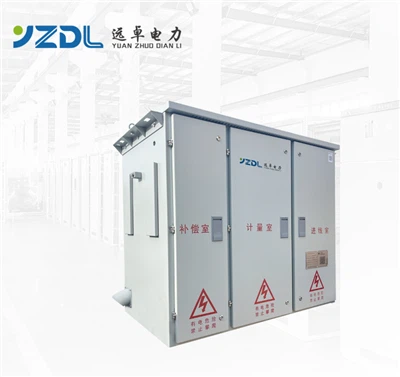
As a supplier of Vertical PLC Control Cabinets, ensuring signal integrity is of utmost importance. Signal integrity refers to the ability of an electrical signal to be transmitted accurately and without distortion from the source to the destination. In a Vertical PLC Control Cabinet, maintaining signal integrity is crucial for the proper functioning of the control system, as any signal degradation can lead to errors, malfunctions, and even system failures. In this blog post, I will share some key strategies and best practices to ensure signal integrity in a Vertical PLC Control Cabinet.
Understanding the Challenges
Before delving into the solutions, it's essential to understand the challenges that can affect signal integrity in a Vertical PLC Control Cabinet. These challenges include electromagnetic interference (EMI), radio frequency interference (RFI), crosstalk, signal attenuation, and impedance mismatches.


- Electromagnetic Interference (EMI) and Radio Frequency Interference (RFI): These are external sources of interference that can disrupt the signal. EMI can be caused by power lines, motors, and other electrical equipment, while RFI can come from radio transmitters, cell phones, and other wireless devices.
- Crosstalk: This occurs when signals from one circuit interfere with signals in another circuit. It can be caused by close proximity of wires, improper shielding, or poor grounding.
- Signal Attenuation: This is the loss of signal strength as it travels through the cable. It can be caused by long cable lengths, high frequencies, or improper cable selection.
- Impedance Mismatches: This occurs when the impedance of the source, the cable, and the load are not matched. It can cause reflections, which can lead to signal distortion and loss.
Design Considerations
The design of the Vertical PLC Control Cabinet plays a crucial role in ensuring signal integrity. Here are some design considerations to keep in mind:
- Proper Grounding: A good grounding system is essential for reducing EMI and RFI. The cabinet should be grounded to a common ground point, and all electrical components should be connected to the ground. This helps to provide a low-impedance path for the interference currents, reducing their impact on the signals.
- Shielding: Shielding can help to protect the signals from external interference. The cables used in the cabinet should be shielded, and the cabinet itself can be made of a conductive material to provide additional shielding. The shielding should be properly grounded to ensure its effectiveness.
- Cable Routing: Proper cable routing can help to reduce crosstalk and signal attenuation. The cables should be routed in a way that minimizes their proximity to each other and to sources of interference. For example, power cables should be separated from signal cables, and high-speed cables should be kept away from low-speed cables.
- Component Placement: The placement of the components in the cabinet can also affect signal integrity. The components should be placed in a way that minimizes the length of the signal paths and reduces the chances of crosstalk. For example, the input and output modules should be placed close to the corresponding terminals, and the power supply should be placed away from the sensitive components.
Cable Selection and Installation
The selection and installation of the cables are also important for ensuring signal integrity. Here are some tips:
- Choose the Right Cable: The cable should be selected based on the requirements of the application, such as the signal frequency, the cable length, and the environment. For high-speed signals, a cable with low attenuation and high bandwidth should be used. For applications in harsh environments, a cable with good resistance to moisture, chemicals, and temperature should be selected.
- Proper Cable Termination: The cable should be terminated properly to ensure a good electrical connection. The connectors should be selected based on the cable type and the application requirements. The termination process should be done carefully to avoid any damage to the cable or the connector.
- Avoid Cable Bending and Twisting: Excessive bending and twisting of the cable can cause signal attenuation and impedance mismatches. The cable should be installed in a way that allows for some flexibility, but without excessive bending or twisting.
Testing and Monitoring
Once the Vertical PLC Control Cabinet is installed, it's important to test and monitor the signal integrity to ensure its proper functioning. Here are some testing and monitoring techniques:
- Signal Testing: The signals should be tested using a signal analyzer or an oscilloscope to check for any distortion, attenuation, or interference. The test should be done at different points in the system to ensure that the signals are healthy throughout the cabinet.
- Continuity Testing: The continuity of the cables and the connections should be tested to ensure that there are no open circuits or short circuits. This can be done using a multimeter or a continuity tester.
- Monitoring: The signals should be monitored continuously to detect any changes or anomalies. This can be done using a monitoring system that can alert the operator if there is a problem with the signal integrity.
Case Studies
To illustrate the importance of signal integrity in a Vertical PLC Control Cabinet, let's look at some case studies.
- Case Study 1: A manufacturing plant was experiencing frequent system failures in their Vertical PLC Control Cabinet. After a thorough investigation, it was found that the problem was due to crosstalk between the power cables and the signal cables. By separating the power cables from the signal cables and using shielded cables, the signal integrity was improved, and the system failures were eliminated.
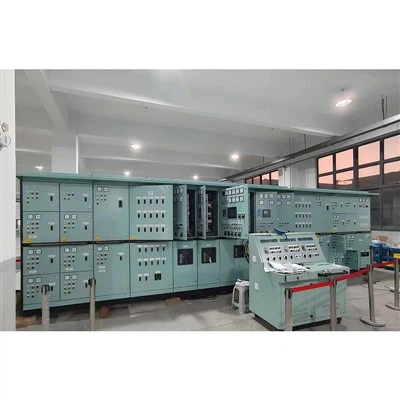
- Case Study 2: A ship's control system was experiencing interference from the ship's main switchboard. Ship's Main Switchboard The interference was causing the signals in the Vertical PLC Control Cabinet to be distorted, leading to errors in the control system. By installing a shielding enclosure around the cabinet and using proper grounding techniques, the interference was reduced, and the signal integrity was restored.
Conclusion
In conclusion, ensuring signal integrity in a Vertical PLC Control Cabinet is essential for the proper functioning of the control system. By understanding the challenges, implementing the right design considerations, selecting the appropriate cables, and testing and monitoring the signals, you can minimize the risk of signal degradation and ensure the reliability of your system.
If you are interested in purchasing a Vertical PLC Control Cabinet or have any questions about signal integrity, please feel free to contact us for a procurement discussion. We are a leading supplier of Vertical PLC Control Cabinet and have extensive experience in ensuring signal integrity in our products.
References
- Johnson, H. W., & Graham, M. (2003). High-Speed Digital Design: A Handbook of Black Magic. Prentice Hall.
- Montrose, M. I. (2000). Printed Circuit Board Design Techniques for EMC Compliance: A Handbook for Designers. Wiley-Interscience.
- Ott, H. W. (2009). Electromagnetic Compatibility Engineering. Wiley-Interscience.