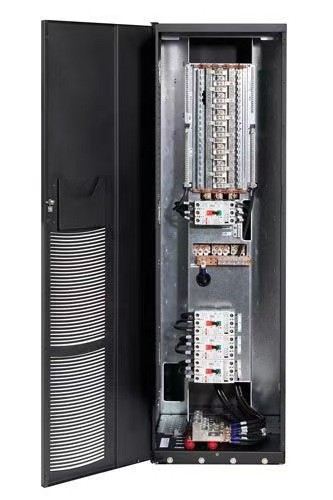
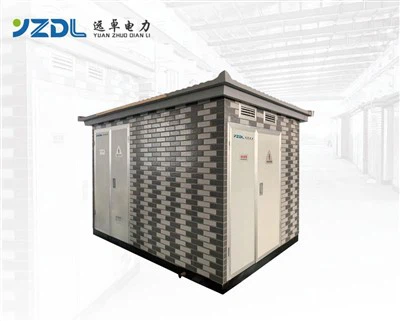
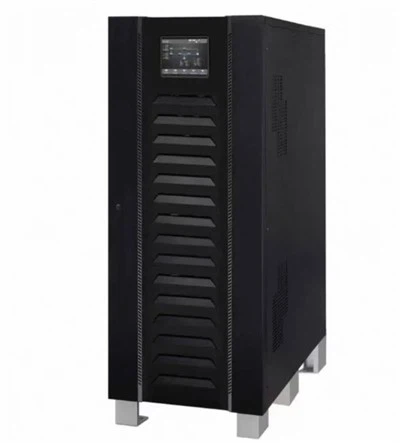
As a supplier of pad-mounted substations, I've witnessed firsthand the crucial role insulation systems play in these vital electrical installations. In this blog post, I'll delve into what an insulation system is in a pad-mounted substation, its significance, and the various types commonly used.
Understanding the Insulation System in a Pad-Mounted Substation
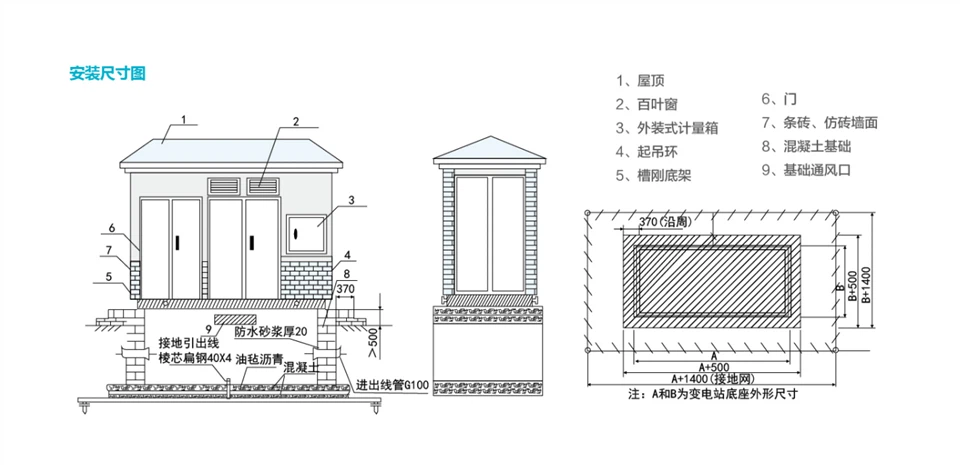
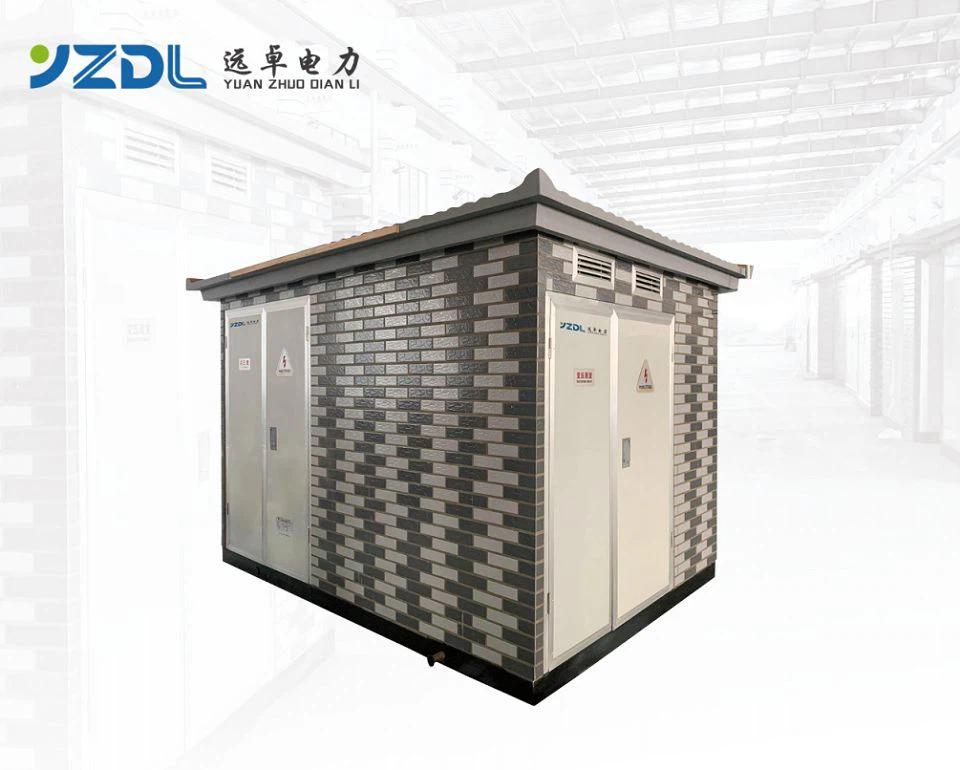
A pad-mounted substation is a compact, self-contained unit typically used to step down high-voltage electricity to a lower voltage for distribution to end-users. The insulation system within a pad-mounted substation is designed to prevent the flow of electric current between conductive parts and the surrounding environment, ensuring the safe and efficient operation of the substation.
Insulation serves several key functions in a pad-mounted substation:
- Electrical Safety: It protects personnel from electric shock by preventing the flow of current to the outer casing or other accessible parts of the substation.
- Equipment Protection: Insulation helps to prevent short circuits and other electrical faults that could damage the substation's components, such as transformers, switchgear, and cables.
- Performance Optimization: By minimizing electrical losses due to leakage current, insulation improves the overall efficiency of the substation.
Types of Insulation Materials Used in Pad-Mounted Substations
There are several types of insulation materials commonly used in pad-mounted substations, each with its own unique properties and applications.
Solid Insulation
Solid insulation materials, such as epoxy resin and fiberglass, are widely used in pad-mounted substations due to their excellent electrical and mechanical properties. Epoxy resin is often used to encapsulate transformers and other components, providing a high level of electrical insulation and protection against environmental factors. Fiberglass is used in the construction of insulating barriers and supports, offering good mechanical strength and resistance to heat and chemicals.
Liquid Insulation
Liquid insulation, such as mineral oil and silicone oil, is commonly used in transformers and other high-voltage equipment. Mineral oil is a traditional insulation fluid that has been used for many years due to its excellent dielectric properties and ability to dissipate heat. Silicone oil is a more advanced insulation fluid that offers superior performance in terms of fire resistance and environmental compatibility.
Gas Insulation
Gas insulation, such as sulfur hexafluoride (SF6), is used in some pad-mounted substations, particularly those with high-voltage switchgear. SF6 is a highly effective insulating gas that offers excellent dielectric properties and arc quenching capabilities. However, SF6 is a greenhouse gas with a high global warming potential, so its use is being phased out in some regions in favor of more environmentally friendly alternatives.
Design Considerations for Insulation Systems in Pad-Mounted Substations
When designing an insulation system for a pad-mounted substation, several factors need to be considered to ensure its effectiveness and reliability.
Voltage Rating
The insulation system must be designed to withstand the maximum voltage that the substation is expected to operate at. This includes both the normal operating voltage and any transient overvoltages that may occur due to lightning strikes or other electrical disturbances.
Environmental Conditions
The insulation system must be able to withstand the environmental conditions in which the substation is located, including temperature, humidity, and pollution levels. For example, in areas with high levels of pollution, the insulation system may need to be designed to resist the effects of dust, dirt, and other contaminants.
Mechanical Stress
The insulation system must be able to withstand the mechanical stress that it will be subjected to during normal operation and transportation. This includes vibrations, shocks, and thermal expansion and contraction.
Maintenance Requirements
The insulation system should be designed to be easy to maintain and inspect. This includes providing access to all components of the insulation system for testing and repair, as well as using materials that are resistant to degradation over time.
Our Pad-Mounted Substations and Insulation Systems
At our company, we take pride in offering high-quality pad-mounted substations with advanced insulation systems. Our substations are designed to meet the highest standards of safety, reliability, and performance, and we use only the best insulation materials and manufacturing processes.
We offer a range of pad-mounted substations, including HV Prefabricated Substation, Landscape-Type Transformer Substation, and LV Prefabricated Substation. Each of our substations is customized to meet the specific needs of our customers, and we work closely with them to ensure that the insulation system is designed to provide optimal performance and reliability.
Contact Us for Your Pad-Mounted Substation Needs
If you're in the market for a pad-mounted substation, we'd love to hear from you. Our team of experts can help you choose the right substation for your needs and provide you with a detailed quote. Contact us today to learn more about our products and services and to start the procurement process.
References
- Electrical Insulation Handbook, Second Edition, by James D. McKeever
- Pad-Mounted Substations: Design, Installation, and Maintenance, by the Electric Power Research Institute