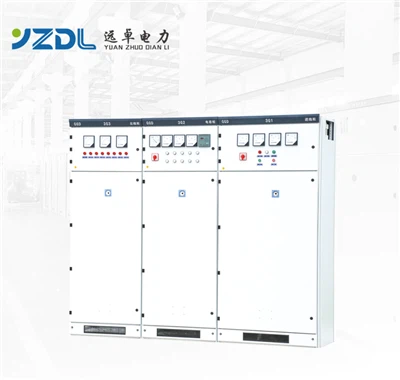
As a trusted low-voltage switchgear supplier, I understand the importance of a proper installation process for low-voltage switchgear in a distribution panel. In this blog, I will guide you through the steps and considerations involved in this crucial task.
Pre - installation Preparation
Before you start the installation of low - voltage switchgear in a distribution panel, thorough preparation is essential. First, you need to have a detailed understanding of the electrical system requirements. This includes knowing the voltage levels, current ratings, and the specific functions that the switchgear will perform.
Check the physical dimensions of the distribution panel and the switchgear. Ensure that the switchgear will fit properly inside the panel. Measure the available space carefully, taking into account any clearance requirements for ventilation and maintenance.
Inspect the switchgear for any visible damage during transit. This includes checking for dents, scratches, or loose components. If any damage is found, contact the manufacturer or supplier immediately.
Safety Precautions
Safety should always be the top priority when working with electrical equipment. Wear appropriate personal protective equipment (PPE), such as insulated gloves, safety glasses, and flame - resistant clothing.
Before starting the installation, make sure that the power supply to the distribution panel is completely shut off. Lock out and tag out the power source to prevent accidental energization. This is a standard safety procedure that helps protect the installer from electrical shock.
Mounting the Switchgear
The first step in the installation process is to mount the switchgear inside the distribution panel. Most low - voltage switchgear comes with mounting holes or brackets for easy installation. Use the appropriate fasteners, such as bolts or screws, to secure the switchgear firmly in place.
Ensure that the switchgear is level and properly aligned within the panel. This is important for both the mechanical stability and the electrical performance of the switchgear. A misaligned switchgear can lead to poor electrical connections and potential safety hazards.
Electrical Connections
Once the switchgear is mounted, it's time to make the electrical connections. Start by connecting the incoming power supply to the main circuit breaker of the switchgear. Use the correct size and type of conductors according to the electrical load requirements.
Connect the outgoing circuits to the appropriate breakers or switches in the switchgear. Make sure that all connections are tight and secure. Loose connections can cause overheating, which may lead to equipment failure or even a fire.
Use proper cable management techniques to organize the cables inside the distribution panel. This not only makes the installation look neat but also helps in troubleshooting and maintenance in the future.
Grounding
Proper grounding is crucial for the safety of the electrical system. Connect the grounding conductor of the switchgear to the grounding bar in the distribution panel. The grounding bar should be connected to a reliable earth ground.
Grounding helps to protect against electrical faults by providing a path for the fault current to flow safely to the ground. It also helps to reduce the risk of electrical shock to personnel.
Testing and Commissioning
After the installation is complete, it's time to test and commission the switchgear. First, perform a visual inspection of all the connections to ensure that they are correct and secure.
Use a multimeter to check the continuity of the circuits and to measure the voltage levels. Check the operation of each breaker and switch to make sure that they are functioning properly.
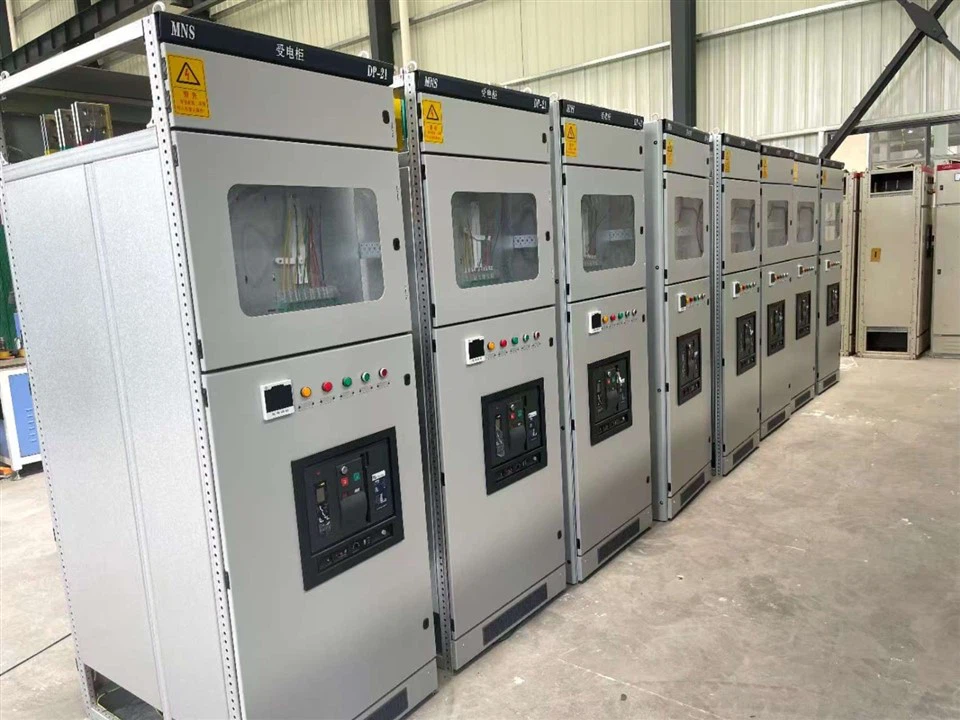
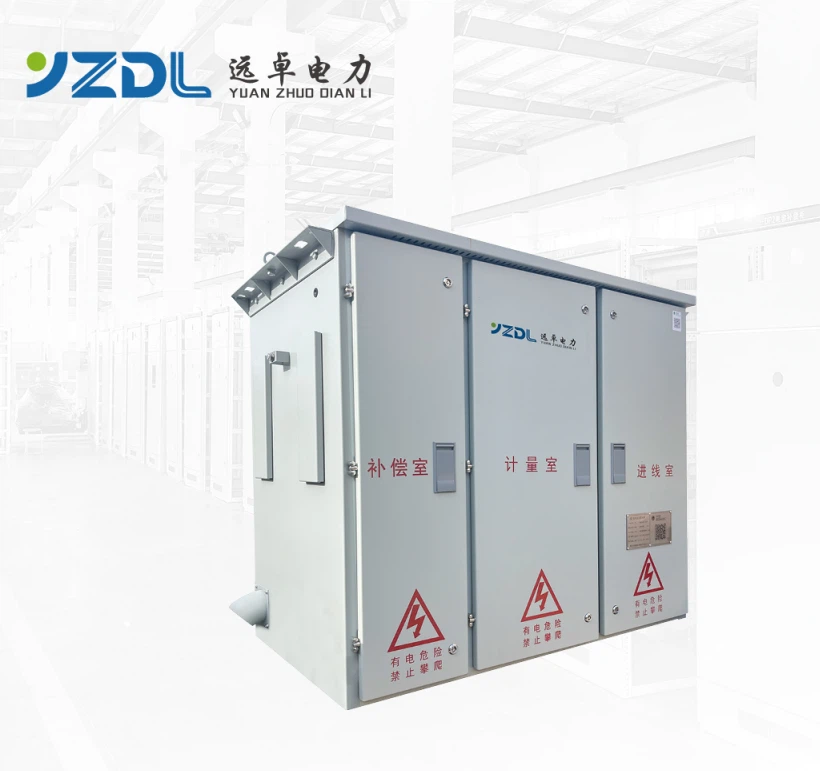
Conduct a load test to verify that the switchgear can handle the expected electrical load. Monitor the temperature of the switchgear during the load test to ensure that it does not overheat.
Types of Low - Voltage Switchgear
There are different types of low - voltage switchgear available in the market. One of the popular types is AC Low - Voltage Switchgear. This type of switchgear is designed to handle alternating current (AC) electrical systems. It is commonly used in commercial and industrial applications.
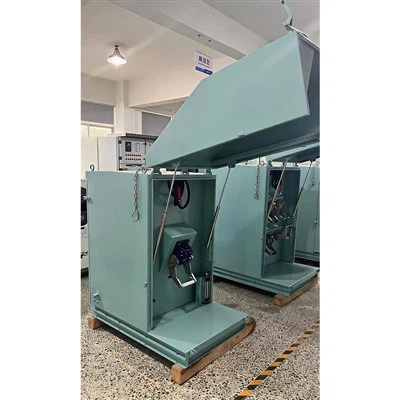
Another type is LV Draw - Out Switchgear. This switchgear has a draw - out design, which allows for easy maintenance and replacement of components. It is suitable for applications where quick access to the internal components is required.
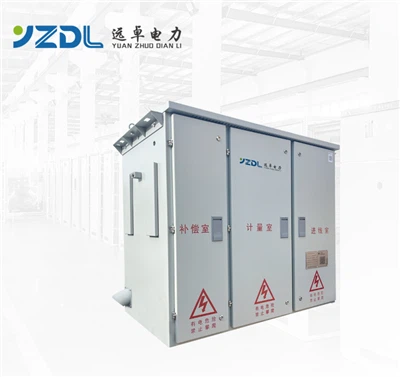
The Integrated Distribution Box is also a type of low - voltage switchgear. It combines multiple functions, such as circuit protection, control, and distribution, in a single unit. This type of switchgear is often used in small to medium - sized electrical systems.
Considerations for Different Applications
The installation process may vary depending on the specific application. For example, in a commercial building, the switchgear may need to be installed in a dedicated electrical room. In an industrial setting, the switchgear may need to be installed in a harsh environment, such as a factory floor.
In a commercial building, the switchgear should be installed in a location that is easily accessible for maintenance. It should also be installed away from areas where there is a high risk of water damage, such as near plumbing fixtures.
In an industrial setting, the switchgear may need to be protected from dust, dirt, and moisture. Special enclosures or protective coatings may be required to ensure the long - term reliability of the switchgear.
Maintenance and Troubleshooting
Regular maintenance is essential to ensure the proper functioning of the low - voltage switchgear. This includes checking the connections, cleaning the components, and testing the operation of the breakers and switches.
If any problems are detected during the maintenance process, it's important to troubleshoot and resolve them as soon as possible. Common problems include loose connections, overheating, and malfunctioning breakers.
Contact for Purchase and Consultation
If you are in the market for high - quality low - voltage switchgear or need further advice on the installation process, we are here to help. Our team of experts can provide you with detailed information and guidance to meet your specific requirements. Whether you are working on a small - scale project or a large - scale industrial installation, we have the right solutions for you. Reach out to us for a consultation and let's discuss how we can assist you in your electrical projects.
References
- Electrical Installation Handbook, Schneider Electric
- National Electrical Code (NEC), National Fire Protection Association
- Low - Voltage Switchgear Standards, International Electrotechnical Commission (IEC)