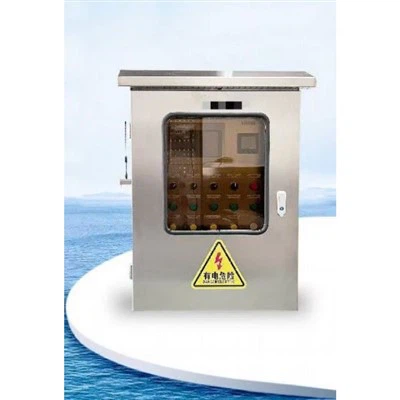
As a supplier of PLC cabinets, I understand the paramount importance of ensuring the safety of personnel when operating these cabinets. PLC (Programmable Logic Controller) cabinets are widely used in industrial settings to control and automate various processes. However, the high - voltage electrical components and complex electronics within these cabinets pose significant risks if not handled properly. In this blog, I will share some key strategies and best practices to ensure the safety of personnel when operating a PLC cabinet.
1. Pre - operation Safety Checks
Before any operation on a PLC cabinet, a series of pre - operation safety checks should be carried out. First, visually inspect the cabinet for any signs of physical damage, such as dents, cracks, or loose panels. A damaged cabinet can expose electrical components, increasing the risk of electrical shock. Check the integrity of the cabinet's doors and seals. A well - sealed cabinet can prevent the ingress of dust, moisture, and other contaminants, which can damage the internal components and pose safety hazards.
Inspect the electrical connections inside the cabinet. Loose or corroded connections can cause overheating, short circuits, and electrical fires. Make sure all cables are properly routed and secured to prevent them from being accidentally pulled or damaged. Check the grounding system of the cabinet. A proper grounding system is essential for diverting electrical faults safely to the ground, protecting personnel from electrical shock.
2. Personal Protective Equipment (PPE)
Wearing appropriate personal protective equipment is crucial when operating a PLC cabinet. Safety glasses should be worn to protect the eyes from any flying debris or sparks that may occur during maintenance or operation. Insulated gloves are necessary to prevent electrical shock when working with live electrical components. Depending on the specific environment and the nature of the work, additional PPE such as flame - resistant clothing, safety shoes, and hard hats may also be required.
3. Lockout/Tagout Procedures
Lockout/Tagout (LOTO) is a critical safety procedure for preventing unexpected energization of electrical equipment. Before performing any maintenance or repair work on a PLC cabinet, the power supply to the cabinet must be shut off, and the circuit breaker or switch must be locked and tagged. This ensures that the cabinet remains de - energized during the work and prevents other personnel from accidentally turning the power back on.
The LOTO procedure should be clearly documented, and all personnel involved in the work should be trained on its proper implementation. Only authorized personnel should be allowed to operate the locks and tags, and a detailed record of the LOTO process should be maintained.
4. Training and Education
Proper training and education are essential for ensuring the safety of personnel when operating a PLC cabinet. All personnel who will be working with or around the PLC cabinet should receive comprehensive training on the operation, maintenance, and safety procedures of the cabinet. The training should cover topics such as electrical safety, LOTO procedures, and the proper use of PPE.
Regular refresher courses should be provided to keep the personnel updated on the latest safety regulations and best practices. Hands - on training and practical demonstrations can also be very effective in helping the personnel understand and apply the safety procedures correctly.

5. Risk Assessment
Conducting a thorough risk assessment is an important step in ensuring the safety of personnel when operating a PLC cabinet. Identify all potential hazards associated with the operation of the cabinet, such as electrical shock, fire, and mechanical hazards. Evaluate the likelihood and severity of each hazard and develop appropriate control measures to mitigate the risks.
The risk assessment should be updated regularly to reflect any changes in the cabinet's operation, environment, or equipment. This will help to ensure that the safety measures in place are always effective in protecting the personnel.
6. Maintenance and Inspection
Regular maintenance and inspection of the PLC cabinet are essential for ensuring its safe operation. The cabinet should be inspected at regular intervals to check for any signs of wear, damage, or malfunction. Replace any worn or damaged components immediately to prevent potential safety hazards.
Keep the cabinet clean and free of dust and debris. Dust can accumulate on the electrical components and cause overheating, which can lead to electrical fires. Use appropriate cleaning tools and techniques to clean the cabinet without causing any damage to the internal components.
7. Use of High - Quality PLC Cabinets
As a PLC cabinet supplier, I emphasize the importance of using high - quality cabinets. High - quality PLC cabinets are designed and manufactured to meet strict safety standards. They are made of durable materials and have proper insulation and grounding systems.
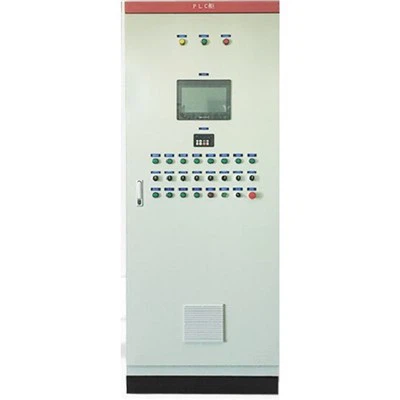
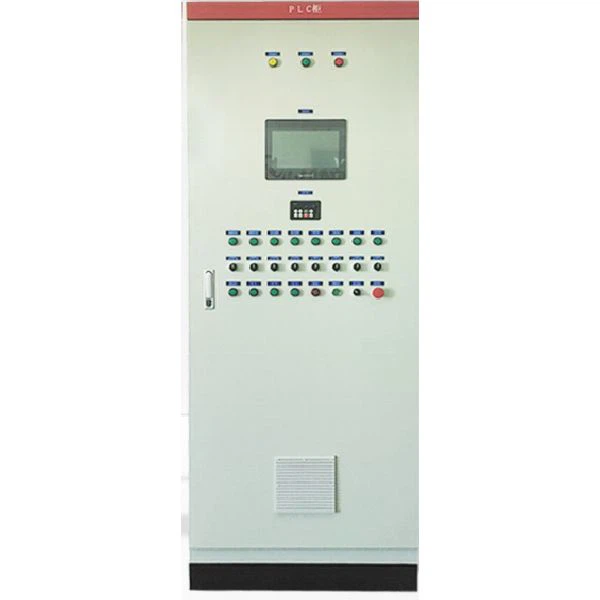
For example, our Industrial PLC Control Cabinet is built with heavy - duty steel and has a robust design to withstand harsh industrial environments. It is equipped with advanced safety features such as over - current protection and short - circuit protection. Our Mini PLC Control Cabinet is compact yet powerful, suitable for small - scale applications. It is designed with easy - access panels for maintenance and inspection. And our Smart PLC Cabinet with IoT offers real - time monitoring and remote control capabilities, enhancing the safety and efficiency of the operation.
8. Emergency Response Plan
An emergency response plan should be in place to address any potential safety incidents that may occur during the operation of the PLC cabinet. The plan should include procedures for dealing with electrical fires, electrical shock, and other emergencies. All personnel should be trained on the emergency response plan and know what to do in case of an emergency.
The emergency response plan should also include provisions for contacting emergency services and providing first - aid to the injured personnel. Regular drills should be conducted to ensure that all personnel are familiar with the emergency response procedures.
Contact for Purchase and Consultation
If you are in the market for high - quality PLC cabinets and want to ensure the safety of your personnel during operation, we are here to help. Our team of experts can provide you with professional advice on the selection, installation, and maintenance of PLC cabinets. Whether you need an Industrial PLC Control Cabinet, a Mini PLC Control Cabinet, or a Smart PLC Cabinet with IoT, we have the right solution for you. Contact us to start a purchase negotiation and let us help you achieve a safe and efficient industrial automation process.
References
- Electrical Safety Standards for Industrial Equipment, National Electrical Code (NEC)
- Lockout/Tagout Guidelines, Occupational Safety and Health Administration (OSHA)
- PLC Cabinet Design and Manufacturing Best Practices, Industry - recognized standards