In the dynamic landscape of the American energy sector, substations stand as crucial nodes in the power grid, ensuring the efficient and reliable distribution of electricity. As a leading American substation supplier, I've witnessed firsthand the profound impact of new technologies on these vital infrastructure components. This blog post aims to explore the multifaceted influence of emerging technologies on American substations, from enhancing operational efficiency to improving grid resilience.
Smart Grid Technologies and Substation Automation
One of the most significant trends in the power industry is the integration of smart grid technologies into substations. Smart grid technologies leverage advanced sensors, communication networks, and data analytics to enable real - time monitoring and control of substation operations. This shift from traditional, manual - based systems to automated and intelligent ones has revolutionized the way substations are managed.
With the deployment of smart meters and sensors, substations can now collect vast amounts of data on electrical parameters such as voltage, current, and power factor. This data is transmitted in real - time to control centers, allowing operators to make informed decisions promptly. For example, if a sensor detects an abnormal increase in voltage, the system can automatically adjust the transformer settings to prevent equipment damage and power outages.
Substation automation also enhances the reliability of the power grid. By automating routine tasks such as switching operations and fault detection, the risk of human error is significantly reduced. Moreover, automated systems can quickly isolate faults and restore power to unaffected areas, minimizing the impact of outages on consumers.
Advanced Power Electronics
The development of advanced power electronics has had a transformative effect on American substations. Power electronics devices, such as high - voltage direct - current (HVDC) converters and flexible alternating - current transmission system (FACTS) devices, have improved the efficiency and flexibility of power transmission.
HVDC technology is particularly useful for long - distance power transmission. Unlike traditional alternating - current (AC) transmission, HVDC systems can transmit large amounts of power over long distances with lower losses. This is especially important for integrating renewable energy sources, such as wind and solar farms, which are often located far from load centers.
FACTS devices, on the other hand, can control the flow of power in AC transmission lines, improving the stability and reliability of the grid. These devices can adjust the voltage, phase angle, and impedance of the transmission lines, allowing for more efficient use of existing infrastructure.
Energy Storage Technologies
The integration of energy storage technologies into substations is another significant development. Energy storage systems, such as batteries and flywheels, can store excess electricity during periods of low demand and release it during peak demand, helping to balance the grid and reduce the need for additional generation capacity.
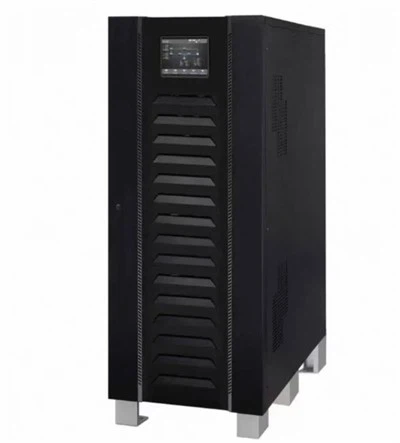
Battery energy storage systems (BESS) are becoming increasingly popular in American substations. They offer several advantages, including fast response times, high efficiency, and modular design. BESS can be used for a variety of applications, such as frequency regulation, peak shaving, and backup power.
For example, during a sudden increase in electricity demand, a BESS can quickly discharge stored energy to meet the load, preventing voltage sags and blackouts. Additionally, energy storage systems can help integrate renewable energy sources into the grid by storing excess energy generated during sunny or windy periods and releasing it when the renewable generation is low.
Digital Twin Technology
Digital twin technology is an emerging trend that has the potential to revolutionize substation design, operation, and maintenance. A digital twin is a virtual replica of a physical substation that uses real - time data to simulate its behavior and performance.
By creating a digital twin of a substation, operators can conduct virtual testing and optimization before implementing changes in the physical system. This can help reduce the risk of errors and improve the efficiency of substation upgrades. For example, a digital twin can be used to simulate the impact of a new transformer or switchgear installation, allowing engineers to identify potential issues and optimize the design.
Moreover, digital twin technology can be used for predictive maintenance. By analyzing the data collected from sensors in the physical substation, the digital twin can predict when equipment is likely to fail and recommend maintenance actions. This can help reduce downtime and extend the lifespan of substation equipment.
Environmental and Aesthetic Considerations
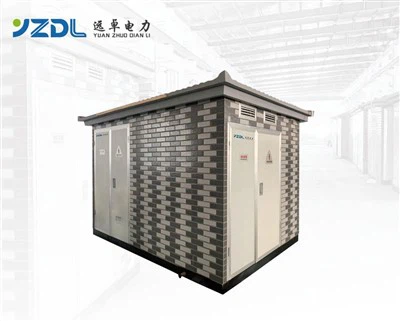
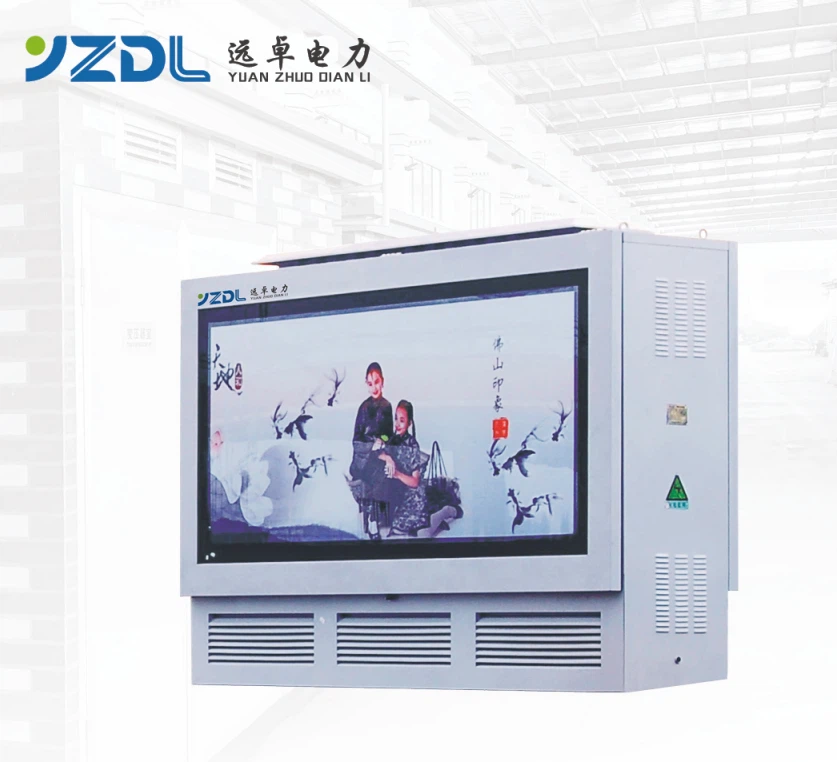
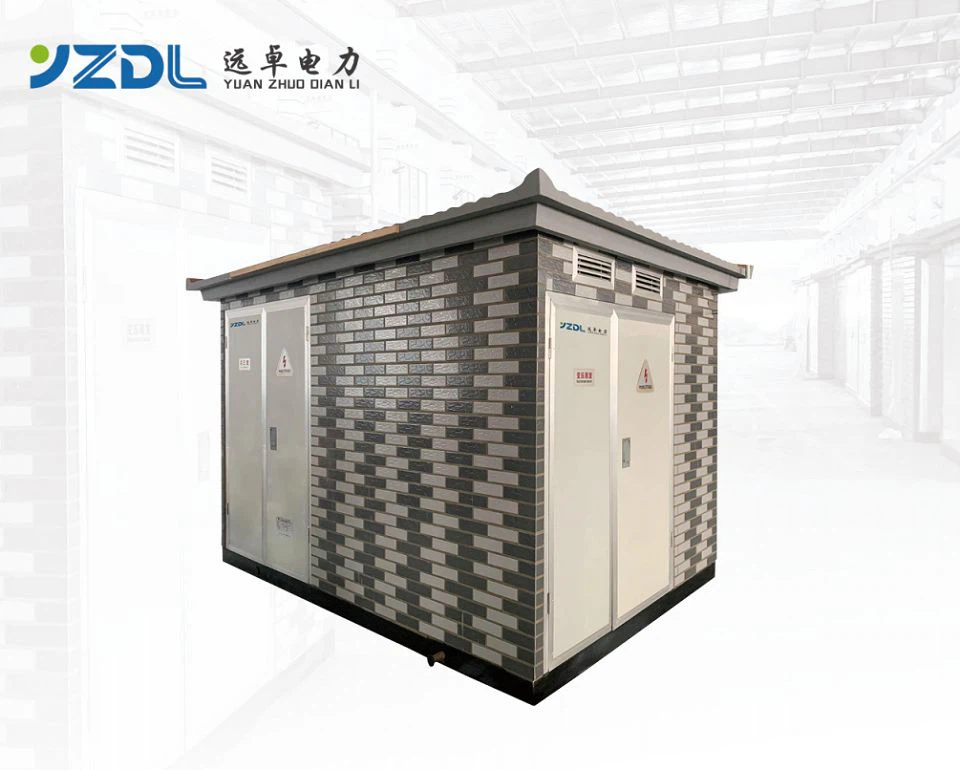
New technologies are also addressing environmental and aesthetic concerns associated with American substations. For instance, the development of HV Prefabricated Substation and LV Prefabricated Substation has made it possible to construct substations more quickly and with less environmental impact. These prefabricated substations are factory - built and can be easily transported to the installation site, reducing on - site construction time and minimizing disruption to the surrounding environment.
In addition, the Landscape - Type Transformer Substation is designed to blend in with the surrounding landscape. These substations are often camouflaged with natural materials and vegetation, making them less obtrusive and more acceptable to local communities.
Impact on the Future of American Substations
The adoption of new technologies in American substations is not only improving their current performance but also shaping their future. As the demand for electricity continues to grow, and the integration of renewable energy sources becomes more widespread, substations will need to be more flexible, efficient, and resilient.
New technologies will enable substations to better manage the variability of renewable energy generation, such as the intermittent nature of wind and solar power. They will also help substations adapt to the increasing electrification of transportation and other sectors, which will place additional demands on the power grid.
Conclusion and Call to Action
In conclusion, the impact of new technologies on American substations is far - reaching and transformative. From smart grid technologies and advanced power electronics to energy storage and digital twin technology, these innovations are enhancing the efficiency, reliability, and sustainability of the power grid.
As a leading American substation supplier, we are committed to staying at the forefront of these technological advancements. We offer a wide range of innovative substation solutions, including HV Prefabricated Substation, LV Prefabricated Substation, and Landscape - Type Transformer Substation, to meet the evolving needs of our customers.
If you are interested in learning more about our substation products and how they can benefit your project, we invite you to contact us for a consultation. Our team of experts is ready to assist you in finding the best substation solution for your specific requirements.
References
- "Smart Grid: Enabling the Future of Electric Power Systems," IEEE Power and Energy Magazine.
- "Power Electronics in Power Systems: Principles, Control, and Applications," by Ned Mohan.
- "Energy Storage for Power Systems: Applications and Challenges," by Ali Keyhani.