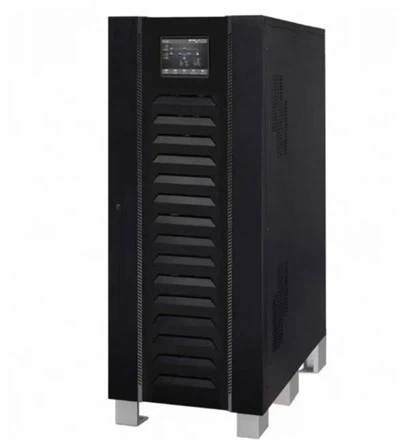
Hey there! I'm a supplier of marine electrical panels, and today I wanna chat about the temperature ratings of these panels. You see, temperature ratings are super important in the marine environment, where conditions can be pretty harsh.
First off, let's understand what temperature ratings actually mean. A temperature rating for a marine electrical panel is basically the maximum temperature at which the panel can operate safely and efficiently. This rating takes into account a bunch of factors like the materials used in the panel, the components inside, and how well the panel can dissipate heat.
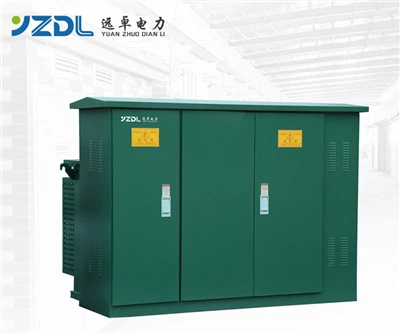
In the marine world, we've got different types of electrical panels, each with its own temperature requirements. For example, a Shore Power Outlet Box is often exposed to the elements when the ship is docked. It needs to be able to handle a wide range of temperatures, from the cold winter days to the hot summer afternoons. These boxes are usually made with materials that can withstand temperature variations without degrading.


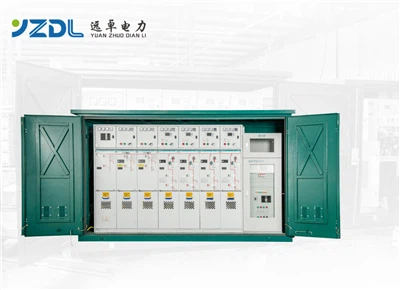
Then there's the Ship's Main Switchboard. This is the heart of the ship's electrical system. It's responsible for distributing power to all the different parts of the vessel. Since it deals with high - voltage and high - current circuits, it generates a fair amount of heat. So, it has a relatively high temperature rating. The switchboard is designed with cooling systems to keep the temperature within the safe limit.
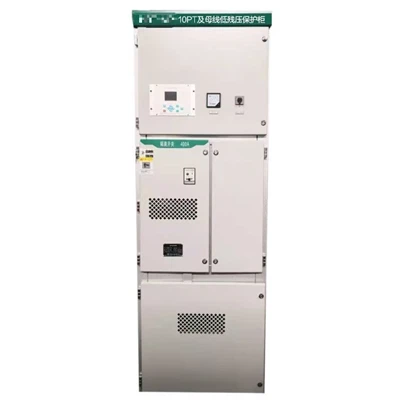
Another type is the Vertical PLC Control Cabinet. PLC stands for Programmable Logic Controller, and these cabinets house the control systems for various ship functions. They need to maintain a stable temperature to ensure the proper operation of the PLCs. If the temperature gets too high, it can cause malfunctions and even damage the sensitive electronic components inside.
Now, let's talk about how these temperature ratings are determined. Manufacturers conduct a series of tests to figure out the maximum temperature a panel can handle. They expose the panel to different temperature conditions in a controlled environment and monitor its performance. They look at things like the insulation resistance, the functionality of the switches and breakers, and the overall electrical conductivity.
One of the key factors in determining the temperature rating is the type of insulation used in the panel. Insulation materials have different temperature limits. For example, some types of insulation can only handle temperatures up to 60°C, while others can withstand much higher temperatures, like 120°C or even more. The choice of insulation depends on the application and the expected operating conditions of the panel.
The ambient temperature in the marine environment also plays a big role. On a hot day in the tropics, the temperature on the deck of a ship can soar. The electrical panels need to be able to handle these high ambient temperatures without overheating. That's why many marine electrical panels are designed with ventilation systems. These systems help to draw in cool air and expel hot air, keeping the internal temperature of the panel within the safe range.
Overheating in a marine electrical panel can lead to a whole bunch of problems. It can cause the insulation to break down, which can lead to short circuits and electrical fires. It can also reduce the lifespan of the components inside the panel. For example, if a breaker is constantly exposed to high temperatures, it may not trip when it's supposed to, which can be extremely dangerous.
To prevent overheating, it's important to follow the manufacturer's guidelines for installation and maintenance. This includes proper ventilation, regular cleaning to remove dust and debris, and checking the temperature regularly. Some panels even come with built - in temperature sensors that can alert you if the temperature is getting too high.
When it comes to choosing a marine electrical panel, you need to consider the temperature rating based on your specific needs. If you're operating in a cold climate, you might not need a panel with a super high temperature rating. But if you're in a hot and humid environment, you'll want a panel that can handle the heat.
As a supplier, I've seen firsthand the importance of getting the temperature rating right. I've worked with customers who've had problems because they didn't choose the right panel for their conditions. That's why I always make sure to educate my customers about temperature ratings and help them select the best panel for their ships.
If you're in the market for a marine electrical panel, don't hesitate to reach out. I can provide you with all the information you need about temperature ratings, as well as other features and specifications. Whether you need a Shore Power Outlet Box, a Ship's Main Switchboard, or a Vertical PLC Control Cabinet, I've got you covered. Let's have a chat and find the perfect solution for your marine electrical needs.
References:
- Marine Electrical System Design Handbook
- Standards for Marine Electrical Equipment by relevant industry organizations