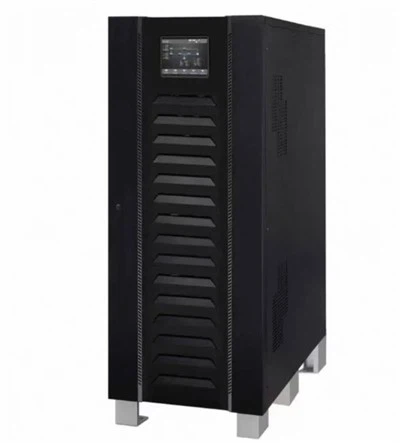
As a supplier of Smart PLC Cabinets integrated with IoT technology, I've witnessed firsthand the remarkable potential and the complex challenges that come with this cutting - edge combination. The integration of a Smart PLC Cabinet with IoT holds the promise of revolutionizing industrial automation, enhancing efficiency, and enabling real - time decision - making. However, the path to seamless integration is fraught with numerous challenges that need to be carefully navigated.
Compatibility and Interoperability
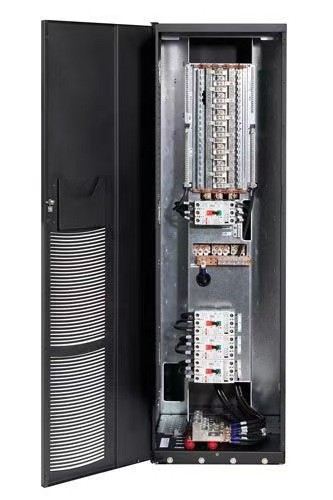
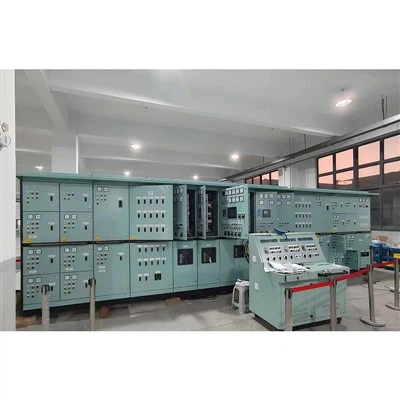
One of the most significant challenges in integrating a Smart PLC Cabinet with IoT is compatibility. Smart PLC Cabinets come in various types, such as the Mini PLC Control Cabinet, Industrial PLC Control Cabinet, and Modular PLC Control Cabinet. Each type may have its own unique set of protocols, communication standards, and hardware specifications.
On the other hand, IoT devices also operate on a wide range of protocols, including MQTT, CoAP, and HTTP. Ensuring that the Smart PLC Cabinet can communicate effectively with IoT devices is crucial. For example, if an IoT sensor uses the MQTT protocol to transmit data, but the Smart PLC Cabinet only supports a different protocol, data transfer will be impossible. This requires extensive testing and sometimes the development of custom middleware to bridge the communication gap.
Moreover, different vendors may use proprietary protocols in their Smart PLC Cabinets and IoT devices. This can lead to interoperability issues, where devices from different manufacturers cannot work together as expected. As a supplier, we often have to work closely with customers to understand their existing IoT infrastructure and select or customize the Smart PLC Cabinet to ensure seamless integration.
Data Management and Security
The integration of a Smart PLC Cabinet with IoT generates a vast amount of data. This data can come from various sources, such as sensors monitoring temperature, pressure, and vibration in an industrial environment. Managing this data is a challenge in itself. The data needs to be collected, stored, analyzed, and presented in a meaningful way.
Storage is a key concern. With the continuous stream of data from IoT devices, traditional storage solutions may not be sufficient. We need to implement scalable storage systems, such as cloud - based storage, to handle the large volume of data. Additionally, data analysis tools are required to extract valuable insights from the data. Machine learning and artificial intelligence algorithms can be used to predict equipment failures, optimize processes, and improve overall efficiency.
However, with the large amount of data comes significant security risks. The Smart PLC Cabinet and IoT devices are often connected to the internet, making them vulnerable to cyberattacks. Hackers may try to access sensitive data, disrupt operations, or even take control of the industrial processes. As a supplier, we need to implement robust security measures, such as encryption, access control, and intrusion detection systems. We also need to ensure that regular security updates are provided to protect against emerging threats.
Scalability and Flexibility
As businesses grow and evolve, their requirements for the Smart PLC Cabinet and IoT integration also change. The system needs to be scalable to accommodate more IoT devices, additional data, and new functionalities. For example, a manufacturing plant may start with a small number of IoT sensors monitoring a few critical processes. As the plant expands, more sensors may be added, and the Smart PLC Cabinet needs to be able to handle the increased data load and communication requirements.
Flexibility is also essential. The Smart PLC Cabinet should be able to adapt to different industrial environments and applications. Different industries, such as manufacturing, energy, and transportation, have unique requirements. For instance, a Smart PLC Cabinet used in a chemical plant may need to be explosion - proof and have different communication interfaces compared to one used in a logistics warehouse.
Power Management
Power consumption is another challenge in the integration of a Smart PLC Cabinet with IoT. IoT devices often operate on low - power, while the Smart PLC Cabinet may require a significant amount of power to function. Ensuring a stable power supply is crucial to avoid system failures.
In some industrial environments, power outages are common. Backup power solutions, such as uninterruptible power supplies (UPS), need to be implemented to ensure continuous operation. Additionally, optimizing power consumption is important to reduce costs and environmental impact. We can use power - saving modes in the Smart PLC Cabinet and IoT devices to minimize energy usage when not in use.


User Training and Support
Finally, user training and support are vital for the successful integration of a Smart PLC Cabinet with IoT. The technology is complex, and users need to be trained on how to operate, maintain, and troubleshoot the system. As a supplier, we need to provide comprehensive training programs, both on - site and online, to ensure that users can make the most of the Smart PLC Cabinet and IoT integration.
In addition to training, ongoing support is also necessary. Users may encounter issues or have questions during the operation of the system. Our support team needs to be available to provide timely assistance, whether it's technical advice or software updates.
Despite these challenges, the integration of a Smart PLC Cabinet with IoT offers numerous benefits. It can improve operational efficiency, reduce downtime, and enhance product quality. As a supplier, we are committed to helping our customers overcome these challenges and achieve a successful integration.
If you are interested in learning more about our Smart PLC Cabinets with IoT integration or would like to discuss a potential procurement, we encourage you to reach out to us. Our team of experts is ready to provide you with detailed information and support to meet your specific needs.
References
- Industry 4.0: The Industrial Internet of Things, McKinsey Global Institute.
- Handbook of Smart Grid Technology, IEEE Press.
- Industrial Internet of Things: Challenges, Opportunities, and Directions, ACM Computing Surveys.