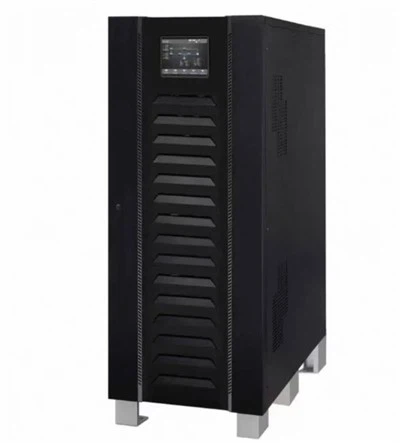
Hey there! As a supplier of Standby Battery Backup, I often get asked about the difference between a standby battery backup and a regular battery. It's a great question, and I'm here to break it down for you in a way that's easy to understand.
Let's start with regular batteries. You know, those small, portable power sources you find in your TV remote, flashlight, or kids' toys. Regular batteries, like AA, AAA, C, and D cells, are designed to provide a steady stream of power for a relatively short period. They're typically single-use or rechargeable, and they're great for small, low-power devices.
For example, if you're using a flashlight to find your way in the dark, a couple of AA batteries will do the trick. They'll power the light for a few hours, and when they run out, you can either replace them with new ones or recharge them if they're rechargeable.
On the other hand, a standby battery backup, like the ones we offer at Supplier's website, is a more sophisticated power solution. It's designed to provide emergency power when the main power source fails. This is especially important for critical systems, such as servers, medical equipment, and industrial machinery.
Standby battery backups are usually larger and more powerful than regular batteries. They're connected to the main power supply and constantly charged. When the power goes out, the standby battery backup kicks in immediately, providing a seamless transition to backup power. This ensures that your equipment keeps running without any interruption.
One of the key differences between a standby battery backup and a regular battery is the capacity. Regular batteries have a limited capacity, which means they can only provide power for a short time. Standby battery backups, on the other hand, are designed to provide power for an extended period, depending on the size and capacity of the backup.
Another difference is the charging process. Regular batteries are usually charged using a charger, which can take several hours. Standby battery backups, on the other hand, are constantly charged by the main power supply. This means that they're always ready to provide power when needed.
Let's take a closer look at the features of a standby battery backup. One of the most important features is the ability to provide a stable and reliable power source. Standby battery backups are designed to provide a constant voltage and frequency, which is essential for sensitive equipment. They also have built-in protection mechanisms to prevent overcharging, overheating, and short circuits.
Another important feature is the ability to monitor the battery status. Standby battery backups are equipped with sensors that monitor the battery voltage, temperature, and charge level. This allows you to keep track of the battery's performance and ensure that it's always in good condition.
Standby battery backups also come with a variety of features and options, such as surge protection, battery management systems, and remote monitoring. These features can help you protect your equipment from power surges, extend the battery life, and monitor the backup system from anywhere in the world.
Now, let's talk about the different types of standby battery backups. There are two main types: online and offline. Online standby battery backups, also known as uninterruptible power supplies (UPS), provide continuous power to the equipment. They're connected to the main power supply and constantly charge the battery. When the power goes out, the UPS immediately switches to battery power, providing a seamless transition to backup power.
Offline standby battery backups, on the other hand, only provide power when the main power supply fails. They're connected to the main power supply and charge the battery when the power is available. When the power goes out, the offline standby battery backup switches to battery power, providing emergency power for a limited period.
In addition to online and offline standby battery backups, there are also different types of batteries used in standby battery backups. The most common types of batteries are lead-acid batteries and lithium-ion batteries. Lead-acid batteries are the traditional choice for standby battery backups. They're reliable, affordable, and have a long lifespan. However, they're also heavy and require regular maintenance.
Lithium-ion batteries, on the other hand, are a newer technology. They're lighter, more compact, and have a higher energy density than lead-acid batteries. They also require less maintenance and have a longer lifespan. However, they're also more expensive than lead-acid batteries.
If you're interested in learning more about lithium-ion UPS battery backup, you can check out our website at Lithium Ion Ups Battery Backup. We offer a wide range of lithium-ion UPS battery backups that are designed to meet the needs of different applications.
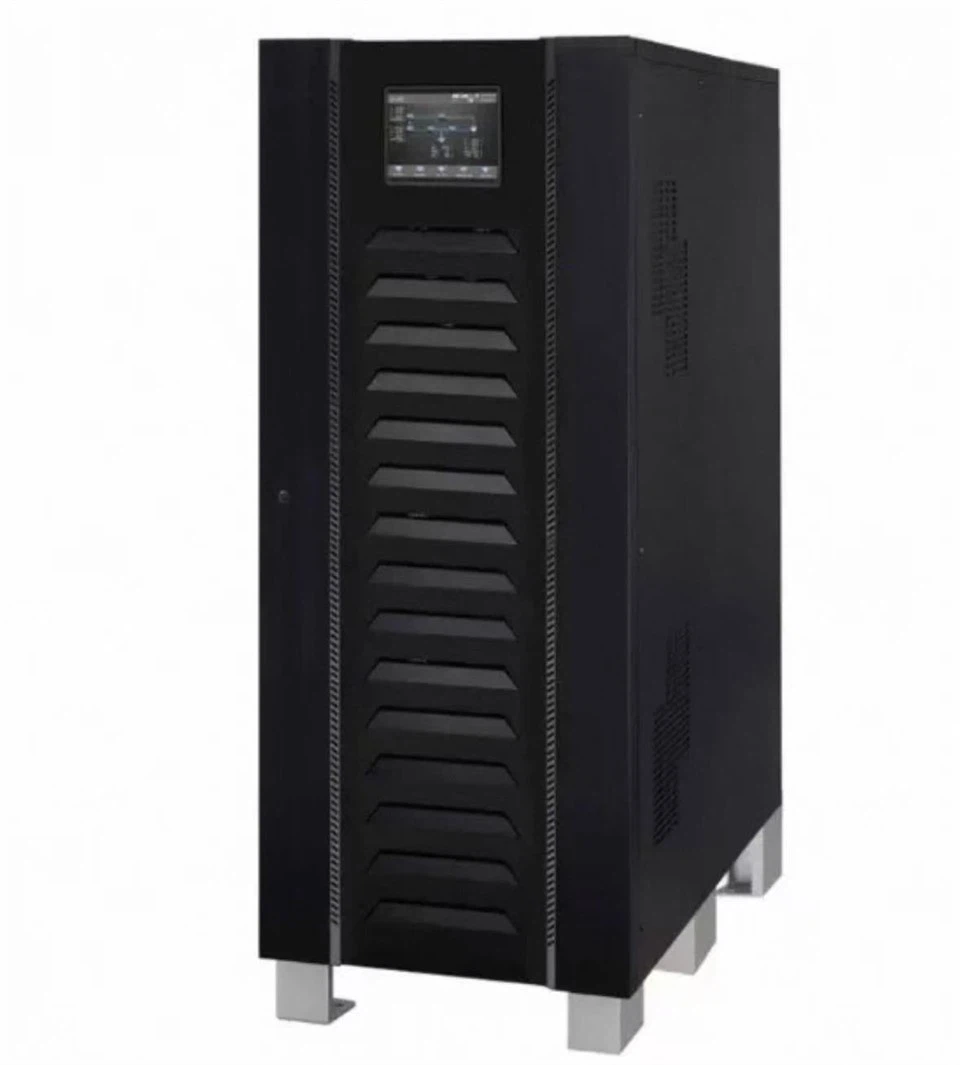
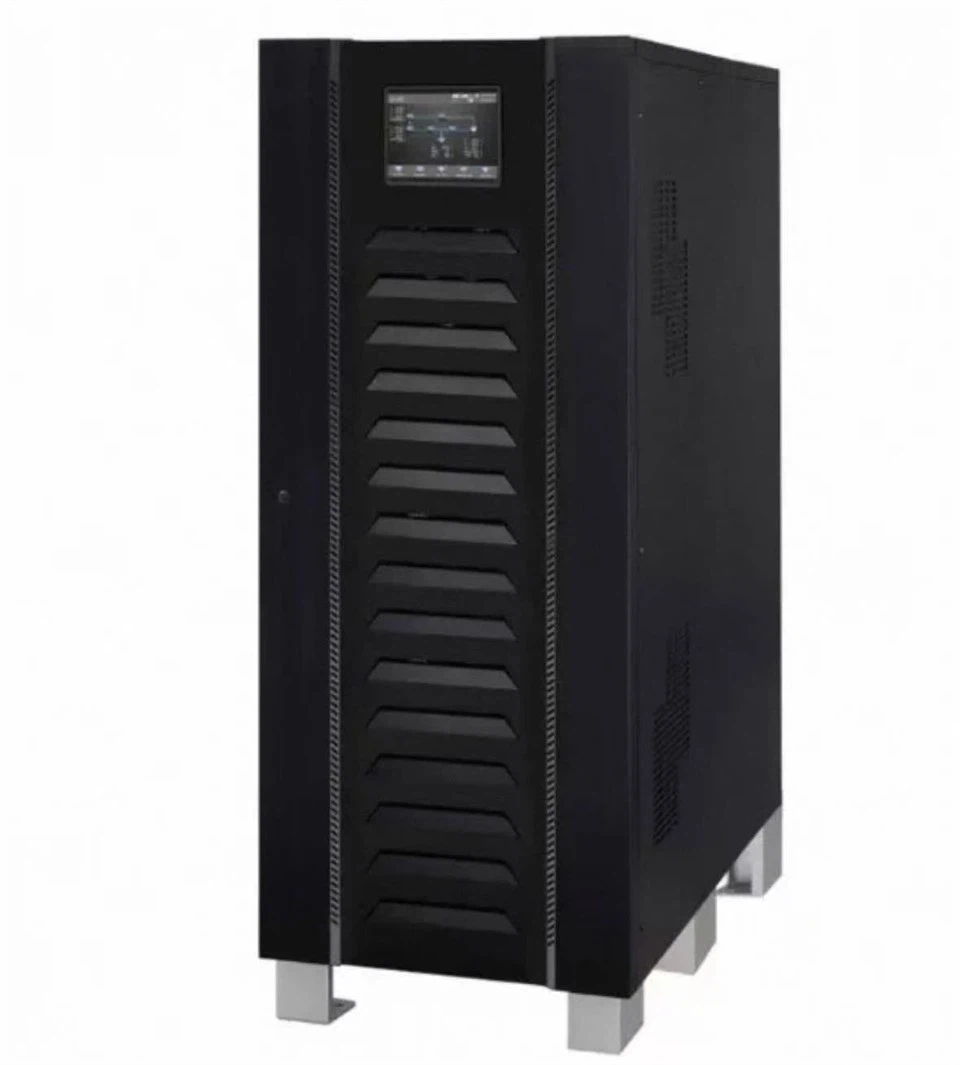
In addition to standby battery backups, we also offer industrial line-frequency UPS systems. These systems are designed for industrial applications that require a high level of reliability and performance. They're equipped with advanced features and options, such as automatic voltage regulation, surge protection, and battery management systems.
If you're interested in learning more about industrial line-frequency UPS systems, you can check out our website at Industrial Line-frequency UPS. We offer a wide range of industrial line-frequency UPS systems that are designed to meet the needs of different applications.
In conclusion, the main difference between a standby battery backup and a regular battery is the purpose and capacity. Regular batteries are designed to provide power for small, low-power devices, while standby battery backups are designed to provide emergency power for critical systems. Standby battery backups are larger, more powerful, and more sophisticated than regular batteries. They're also equipped with advanced features and options to ensure a stable and reliable power source.
If you're in the market for a standby battery backup, we'd love to help you find the right solution for your needs. Our team of experts can provide you with more information about our products and services, and help you choose the right standby battery backup for your application. Contact us today to learn more!
References:
- Various industry resources on battery technology and power backup systems.
- Internal product knowledge and experience as a Standby Battery Backup supplier.