In the realm of electrical power distribution, transformers play a pivotal role in ensuring the efficient and safe transfer of electricity. Among the various types of transformers available, immersed transformers stand out for their unique design and performance characteristics. As a leading supplier of immersed transformers, I am excited to delve into the different types of these transformers and explore their applications, advantages, and limitations.
Mineral Oil-Immersed Transformers
Mineral oil-immersed transformers are the most common type of immersed transformers. They are filled with a highly refined mineral oil that serves as both an insulating medium and a coolant. The oil helps to dissipate heat generated by the transformer's core and windings, preventing overheating and ensuring reliable operation.
One of the key advantages of mineral oil-immersed transformers is their excellent dielectric properties. The oil provides a high level of insulation, which helps to prevent electrical breakdown and reduce the risk of short circuits. Additionally, mineral oil has good heat transfer properties, allowing it to efficiently carry away heat from the transformer's components.
Mineral oil-immersed transformers are widely used in a variety of applications, including power generation, transmission, and distribution. They are commonly found in substations, industrial plants, and commercial buildings. However, it is important to note that mineral oil is a flammable substance, and proper safety measures must be taken to prevent the risk of fire.
Silicone Oil-Immersed Transformers
Silicone oil-immersed transformers are a newer type of immersed transformer that offers several advantages over mineral oil-immersed transformers. Silicone oil is a synthetic fluid that has excellent dielectric properties and is non-flammable. This makes silicone oil-immersed transformers a safer alternative to mineral oil-immersed transformers, especially in applications where fire safety is a concern.
In addition to their safety benefits, silicone oil-immersed transformers also have a longer lifespan and require less maintenance than mineral oil-immersed transformers. Silicone oil is more resistant to oxidation and degradation, which helps to extend the life of the transformer's insulation. Additionally, silicone oil does not require the same level of filtration and purification as mineral oil, which reduces maintenance costs.
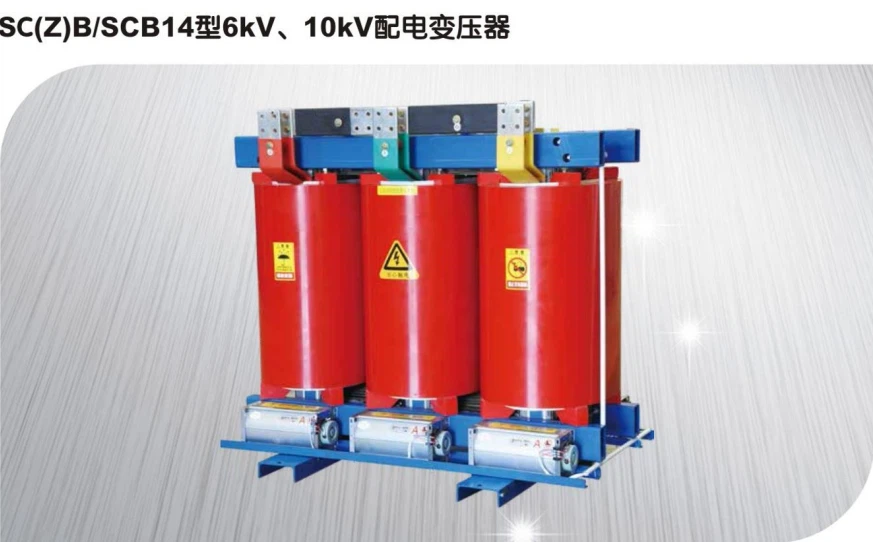
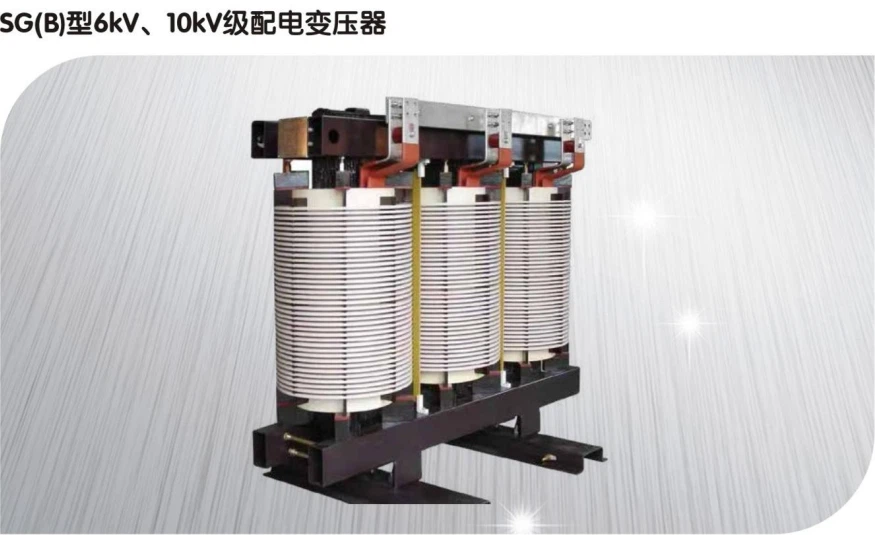
Silicone oil-immersed transformers are commonly used in applications where fire safety is a priority, such as hospitals, schools, and data centers. They are also suitable for use in outdoor environments, as silicone oil is more resistant to environmental factors such as moisture and temperature variations.
Vegetable Oil-Immersed Transformers
Vegetable oil-immersed transformers are an environmentally friendly alternative to mineral oil-immersed transformers. Vegetable oil is a renewable resource that is biodegradable and non-toxic. This makes vegetable oil-immersed transformers a more sustainable option for power distribution.
In addition to their environmental benefits, vegetable oil-immersed transformers also have excellent dielectric properties and thermal performance. Vegetable oil has a higher flash point than mineral oil, which reduces the risk of fire. Additionally, vegetable oil has good heat transfer properties, allowing it to efficiently dissipate heat from the transformer's components.
Vegetable oil-immersed transformers are commonly used in applications where environmental sustainability is a priority, such as renewable energy projects and green buildings. They are also suitable for use in areas where there is a risk of soil contamination, as vegetable oil is biodegradable and does not pose a threat to the environment.
Dry-Type Pad Mounted Transformers
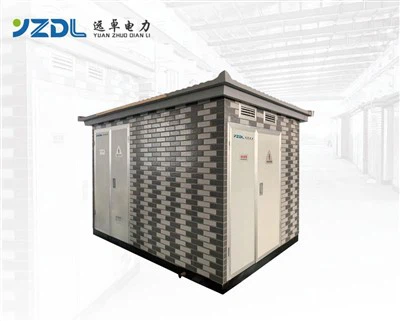
Dry-type pad mounted transformers are a type of transformer that does not use a liquid coolant. Instead, they rely on air or a gaseous medium to dissipate heat. Dry-type pad mounted transformers are typically used in outdoor applications, such as residential and commercial areas.
One of the key advantages of dry-type pad mounted transformers is their safety. Since they do not use a liquid coolant, there is no risk of oil spills or leaks, which reduces the risk of fire and environmental contamination. Additionally, dry-type pad mounted transformers are more compact and lightweight than liquid-immersed transformers, which makes them easier to install and maintain.
Dry-type pad mounted transformers are commonly used in applications where safety and reliability are a priority, such as residential neighborhoods, shopping centers, and industrial parks. They are also suitable for use in areas where there is limited space, as they can be installed on a concrete pad or a steel platform. To learn more about Dry Type Pad Mounted Transformer, you can visit our website.
Conclusion
In conclusion, there are several different types of immersed transformers available, each with its own unique characteristics and applications. Mineral oil-immersed transformers are the most common type of immersed transformer and are widely used in power generation, transmission, and distribution. Silicone oil-immersed transformers offer improved safety and reliability, while vegetable oil-immersed transformers are an environmentally friendly alternative. Dry-type pad mounted transformers are a safe and compact option for outdoor applications.
As a supplier of Immersed Transformer, we are committed to providing our customers with high-quality transformers that meet their specific needs. Whether you are looking for a mineral oil-immersed transformer, a silicone oil-immersed transformer, a vegetable oil-immersed transformer, or a dry-type pad mounted transformer, we have the expertise and experience to help you find the right solution.
If you are interested in learning more about our immersed transformers or would like to discuss your specific requirements, please do not hesitate to contact us. Our team of experts is available to answer your questions and provide you with a customized solution that meets your needs.
References
- Electric Power Substations Engineering, Third Edition by Turan Gonen
- Transformer Engineering: Design, Technology, and Diagnostics by G. Venkata Subba Rao