A transformer is a crucial electrical device that plays a vital role in power distribution and transmission systems. As a leading transformer supplier, I am often asked about the basic architecture of a transformer. In this blog post, I will delve into the fundamental components and working principles of a transformer, providing a comprehensive understanding of its architecture.
Core
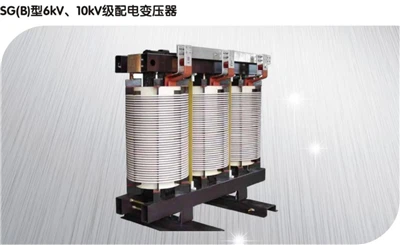
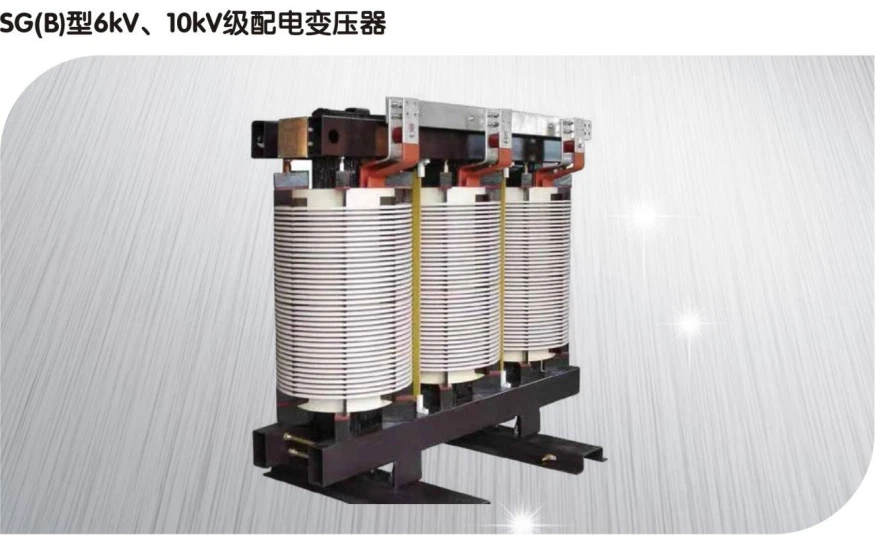
The core is the central part of a transformer, typically made of laminated silicon steel sheets. These sheets are stacked together to form a magnetic circuit, which helps to minimize eddy current losses. The core's primary function is to provide a low - reluctance path for the magnetic flux generated by the primary winding.
The choice of core material is critical. Silicon steel has high magnetic permeability, which means it can efficiently conduct magnetic flux. The laminations are insulated from each other to reduce eddy currents. Eddy currents are induced circulating currents within the core, and they can cause significant power losses in the form of heat. By using laminated cores, we can greatly reduce these losses and improve the overall efficiency of the transformer.
Windings
A transformer has at least two windings: the primary winding and the secondary winding. The primary winding is connected to the input voltage source, and the secondary winding is connected to the load. The number of turns in the primary and secondary windings determines the voltage transformation ratio of the transformer.
The windings are usually made of copper or aluminum conductors. Copper is a popular choice due to its high electrical conductivity and low resistance. The conductors are insulated to prevent short - circuits between turns and between different windings. The insulation materials can be paper, enamel, or other dielectric materials.
In some cases, transformers may have additional windings, such as tertiary windings. Tertiary windings are used for various purposes, such as providing a path for zero - sequence currents, voltage regulation, or supplying auxiliary loads.
Insulation
Insulation is a critical aspect of transformer architecture. It is used to separate the windings from each other and from the core, as well as to protect the transformer from external environmental factors. Good insulation ensures the safety and reliability of the transformer.
There are different types of insulation materials used in transformers. For small - and medium - sized transformers, solid insulation materials like epoxy resin or polyester are often used. In large power transformers, oil - impregnated paper insulation is commonly employed. The oil not only provides electrical insulation but also acts as a coolant, helping to dissipate the heat generated during operation.
Tank and Cooling System
The transformer is housed in a tank, which provides mechanical protection and contains the insulating oil (in the case of oil - filled transformers). The tank is designed to withstand the internal pressure and external forces. It also has provisions for connections, such as bushings, which are used to bring the electrical connections in and out of the transformer.
Cooling is an important factor in transformer operation. Transformers generate heat during operation due to losses in the core and windings. There are different cooling methods available, such as air - cooling and oil - cooling. Air - cooled transformers, like the Dry Type Pad Mounted Transformer, use air as the cooling medium. They are suitable for applications where fire safety is a concern and where oil - filled transformers are not allowed. Oil - cooled transformers, on the other hand, use oil to transfer heat away from the core and windings. The oil is circulated through radiators or heat exchangers to dissipate the heat. An example of an oil - cooled transformer is the Immersed Transformer.
Working Principle
The working principle of a transformer is based on Faraday's law of electromagnetic induction. When an alternating current (AC) is applied to the primary winding, it creates a changing magnetic field in the core. This changing magnetic field then induces an electromotive force (EMF) in the secondary winding.
The relationship between the primary and secondary voltages is given by the turns ratio of the transformer. If (N_p) is the number of turns in the primary winding and (N_s) is the number of turns in the secondary winding, and (V_p) and (V_s) are the primary and secondary voltages respectively, then (\frac{V_s}{V_p}=\frac{N_s}{N_p}).
This property allows transformers to step up or step down the voltage levels, which is essential for power transmission and distribution. High - voltage transmission reduces the current for a given power, thereby reducing the power losses in the transmission lines. Transformers at the substations then step down the voltage to levels suitable for industrial and residential use.
Protection and Monitoring
Transformers are equipped with various protection and monitoring devices to ensure their safe and reliable operation. Over - current protection devices, such as fuses and circuit breakers, are used to protect the transformer from excessive current. Over - voltage protection devices, like surge arresters, are installed to protect the transformer from voltage surges caused by lightning or other transient events.
Monitoring devices are also used to keep track of the transformer's operating parameters, such as temperature, oil level, and dissolved gas content. These parameters can provide early warnings of potential problems, allowing for timely maintenance and repair.

Conclusion
In conclusion, the basic architecture of a transformer consists of a core, windings, insulation, tank, and cooling system. Each component plays a crucial role in the transformer's operation and performance. Understanding the architecture of a transformer is essential for its proper selection, installation, and maintenance.
As a transformer supplier, we offer a wide range of transformers to meet the diverse needs of our customers. Whether you need a Dry Type Pad Mounted Transformer for a small - scale application or an Immersed Transformer for a large - scale power distribution project, we have the expertise and products to serve you.
If you are interested in purchasing transformers or have any questions about our products, we encourage you to contact us for a detailed discussion. Our team of experts is ready to assist you in finding the right transformer solution for your specific requirements.
References
- Electric Power Systems: A Conceptual Introduction by Peter W. Sauer and M. A. Pai
- Power System Analysis and Design by J. Duncan Glover, Mulukutla S. Sarma, and Thomas J. Overbye