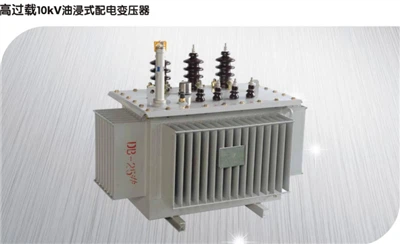
As a supplier of Immersed Transformers, I've witnessed firsthand the significance of load balance in ensuring the optimal performance and longevity of these critical electrical components. In this blog, I aim to delve into the impact of load imbalance on Immersed Transformers, shedding light on the potential consequences and offering insights on how to mitigate these issues.
Understanding Load Imbalance
Load imbalance refers to a situation where the electrical load is not evenly distributed among the phases of a three - phase electrical system. In an ideal scenario, the current in each phase of a three - phase system should be equal. However, in real - world applications, various factors can lead to load imbalance. These factors include unevenly distributed single - phase loads, differences in the impedance of the electrical network, and the operation of large non - linear loads.
Impact on Immersed Transformers
1. Overheating
One of the most significant impacts of load imbalance on Immersed Transformers is overheating. When there is a load imbalance, the phase with the highest current will carry more electrical load than the others. This results in increased resistive losses (I²R losses) in the winding of that phase. Since the heat generated in a conductor is proportional to the square of the current, even a small imbalance can lead to a significant increase in heat generation.
Overheating can have detrimental effects on the transformer's insulation. The insulation materials in Immersed Transformers are designed to operate within a specific temperature range. Prolonged exposure to high temperatures can cause the insulation to degrade, reducing its dielectric strength. This, in turn, increases the risk of electrical breakdown and short - circuits, which can lead to costly repairs or even the complete failure of the transformer.
2. Reduced Efficiency
Load imbalance also reduces the overall efficiency of the Immersed Transformer. The efficiency of a transformer is defined as the ratio of output power to input power. In a balanced system, the transformer operates at its optimal efficiency. However, when there is a load imbalance, the transformer has to work harder to deliver the required power. The increased losses due to the uneven current distribution result in a decrease in efficiency.
For example, if a transformer is designed to operate at 95% efficiency under balanced conditions, a significant load imbalance can reduce this efficiency to 90% or even lower. This not only increases the operating costs but also has a negative impact on the environment due to the increased energy consumption.
3. Uneven Aging of Windings
Another consequence of load imbalance is the uneven aging of the transformer windings. The phase with the higher current will experience more stress and wear compared to the other phases. Over time, this can lead to premature aging of the winding insulation in that phase. As the insulation deteriorates, the risk of short - circuits and other electrical faults increases.
This uneven aging can also affect the overall lifespan of the transformer. A transformer that experiences load imbalance may need to be replaced earlier than one that operates under balanced conditions, resulting in additional costs for the end - user.
4. Voltage Fluctuations
Load imbalance can cause voltage fluctuations in the electrical system. The phase with the higher load will experience a greater voltage drop compared to the other phases. This can lead to inconsistent voltage levels across the system, which can affect the performance of electrical equipment connected to the transformer.
For example, sensitive electronic devices may malfunction or experience reduced lifespan due to the voltage fluctuations. In addition, voltage imbalances can also cause problems for motors, leading to increased vibration, reduced efficiency, and premature wear.

Mitigating the Impact of Load Imbalance
1. Load Balancing
The most effective way to mitigate the impact of load imbalance is to ensure proper load balancing. This involves distributing the single - phase loads evenly across the three phases of the electrical system. This can be achieved by careful planning and design of the electrical installation.
For example, when installing new electrical equipment, the load should be distributed in such a way that the current in each phase is as equal as possible. In addition, regular monitoring of the electrical system can help identify and correct any load imbalances before they cause significant problems.
2. Use of Automatic Load Balancing Devices
There are also automatic load balancing devices available in the market that can help maintain a balanced load. These devices continuously monitor the current in each phase and adjust the load distribution accordingly. By using these devices, the risk of load imbalance can be significantly reduced.
3. Regular Maintenance and Monitoring
Regular maintenance and monitoring of the Immersed Transformer are essential to detect and address any load imbalance issues. This includes measuring the current in each phase, checking the temperature of the transformer, and inspecting the insulation for signs of degradation.
By detecting and correcting load imbalances early, the lifespan of the transformer can be extended, and the risk of costly breakdowns can be minimized.
Conclusion
Load imbalance can have a significant impact on the performance and lifespan of Immersed Transformers. As a supplier of Immersed Transformer, we understand the importance of ensuring proper load balance in electrical systems. By taking proactive measures to mitigate the impact of load imbalance, such as load balancing, using automatic load balancing devices, and regular maintenance, the efficiency and reliability of Immersed Transformers can be improved.
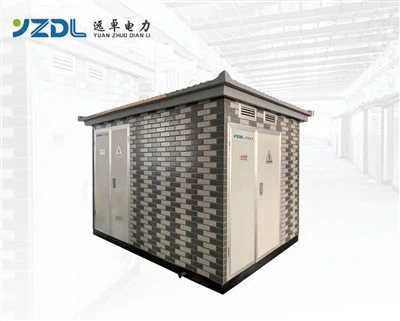
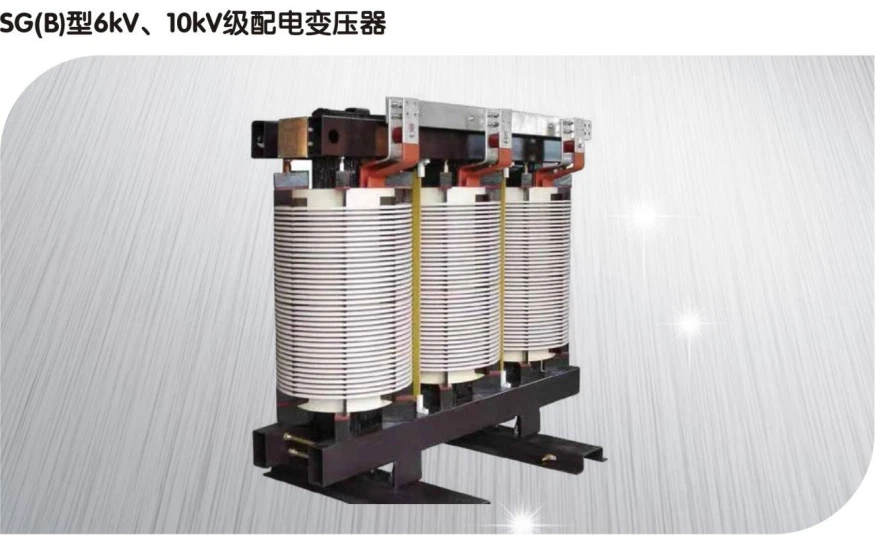
If you are in the market for high - quality Immersed Transformers or Dry Type Pad Mounted Transformer, we are here to assist you. Our team of experts can provide you with the best solutions tailored to your specific needs. Contact us to start a conversation about your transformer requirements and let us help you find the perfect solution for your electrical system.
References
- Electric Power Systems: A Conceptual Introduction, by Ali Keyhani
- Transformer Engineering: Design, Technology, and Diagnostics, by G. Venkata Subrahmanyam