In the realm of medical facilities, the reliability of power supply is not just a convenience; it's a matter of life and death. Medical equipment, from life - support systems to diagnostic tools, demands a continuous and stable power source. This raises an important question: Can a standby battery backup be used for medical equipment? As a supplier of Standby Battery Backup, I'm well - positioned to explore this topic in depth.
The Role of Power in Medical Equipment
Medical equipment operates under strict requirements. Any power interruption, no matter how brief, can lead to inaccurate diagnoses, disrupted treatment processes, and in the worst - case scenario, endanger patients' lives. For example, a ventilator requires a constant power supply to maintain proper airflow for patients with respiratory issues. Similarly, an MRI machine needs a stable power source to generate accurate images for diagnosis.
Understanding Standby Battery Backup
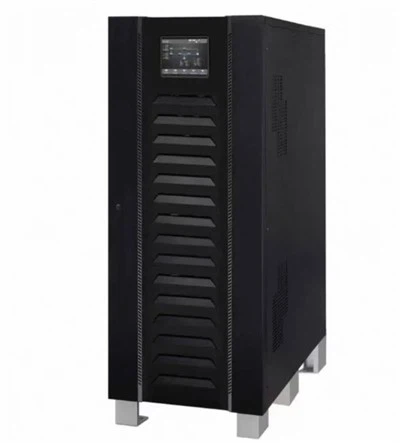
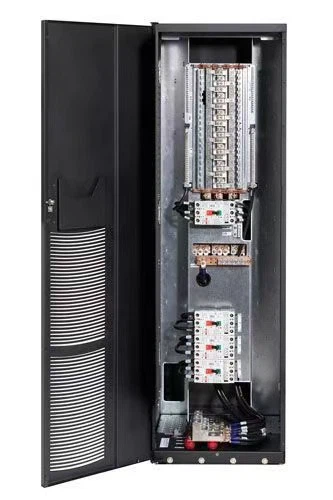
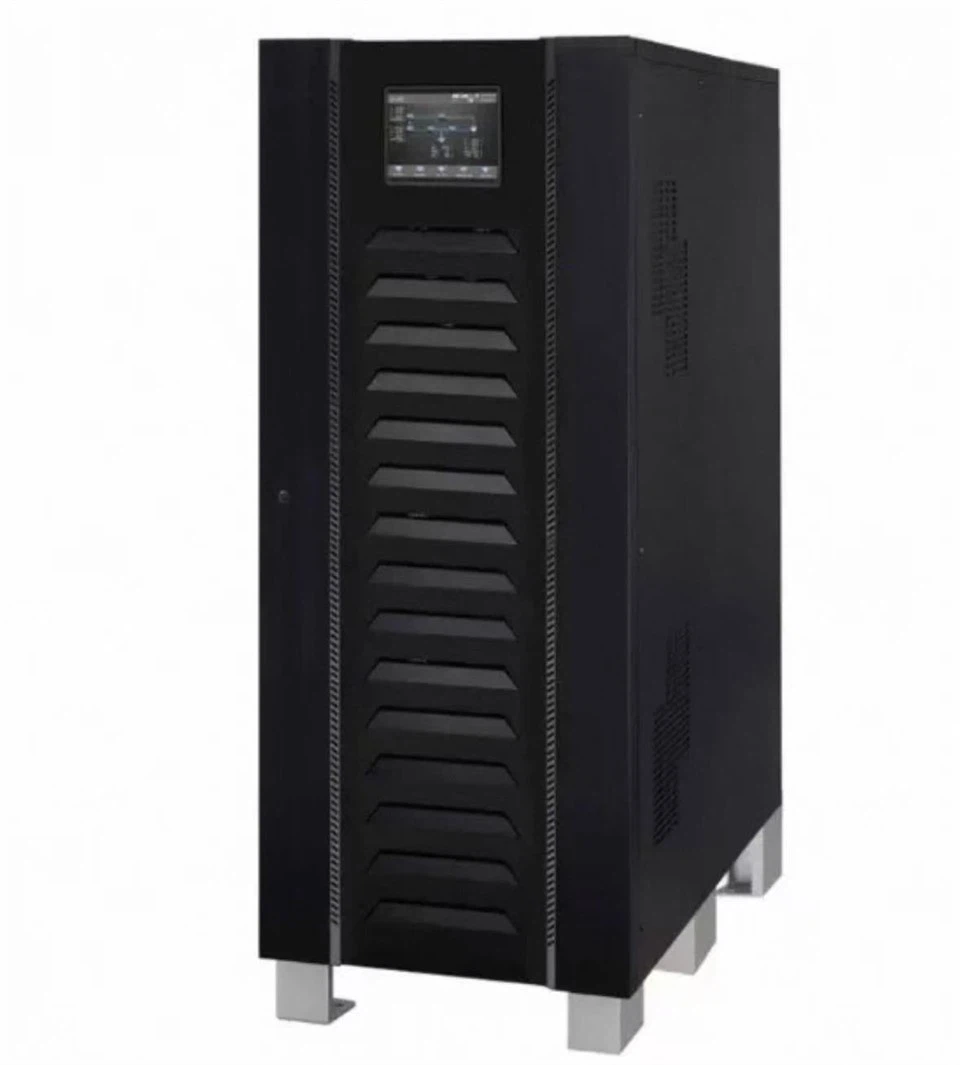
A Standby Battery Backup is designed to provide temporary power during a mains power outage. It typically consists of a battery and an inverter. When the main power fails, the battery kicks in and supplies power to the connected equipment. These backups are often used in various settings, such as homes, offices, and small businesses.
Suitability for Medical Equipment
The suitability of a standby battery backup for medical equipment depends on several factors.
Power Capacity
Medical equipment varies widely in terms of power requirements. Some devices, like small monitors, may have relatively low power needs, while large imaging machines or operating room equipment demand a significant amount of power. A standby battery backup must have sufficient capacity to meet the power demands of the medical equipment. If the battery capacity is too low, it may not be able to power the equipment for an adequate period, leading to premature shutdown.
Response Time
Medical equipment cannot tolerate long power outages. A standby battery backup should have a fast response time, typically within milliseconds. This ensures that there is no disruption in the operation of the medical equipment when the main power fails. For example, a cardiac monitor must continue to function without interruption to provide accurate data on a patient's heart rate.
Power Quality
Medical equipment is sensitive to power quality. Fluctuations in voltage, frequency, or the presence of electrical noise can affect the performance of the equipment. A high - quality standby battery backup should be able to provide clean and stable power. It should be able to filter out any electrical interference and maintain a consistent voltage and frequency.
Compliance with Standards
Medical equipment is subject to strict regulatory standards. A standby battery backup used for medical equipment must comply with relevant safety and performance standards. For example, it should meet the requirements of the International Electrotechnical Commission (IEC) standards for medical electrical equipment.
Advantages of Using Standby Battery Backup for Medical Equipment
There are several advantages to using a standby battery backup for medical equipment.
Ensuring Continuity of Care
During a power outage, a standby battery backup allows medical equipment to continue operating. This ensures that patients receive uninterrupted care. For example, in a hospital, a standby battery backup can keep life - support systems running, giving medical staff time to transfer patients to a more stable power environment or to address the power issue.
Protecting Equipment
Power outages can cause damage to medical equipment. Sudden shutdowns can lead to data loss, hardware failures, and shortened equipment lifespan. A standby battery backup provides a smooth transition during a power outage, protecting the equipment from potential damage.
Cost - Effectiveness
Compared to other types of uninterruptible power supply (UPS) systems, standby battery backups are often more cost - effective. They are a practical solution for small medical clinics or facilities with limited budgets.
Limitations and Considerations
While standby battery backups offer many benefits, there are also some limitations and considerations.
Limited Runtime
Standby battery backups typically have a limited runtime. The duration of power supply depends on the battery capacity and the power consumption of the connected equipment. In some cases, the backup may only provide power for a few minutes to an hour. This may not be sufficient for long - term power outages, especially in critical care settings.
Maintenance
Batteries in standby battery backups require regular maintenance. Over time, battery performance may degrade, reducing the backup's effectiveness. Regular checks and battery replacements are necessary to ensure reliable operation.
Compatibility
Not all medical equipment is compatible with standby battery backups. Some equipment may have specific power requirements or operating conditions that are not met by a standard backup. It's important to consult the equipment manufacturer to ensure compatibility.
Comparing with Other UPS Systems
There are other types of UPS systems available, such as Industrial Line - frequency UPS and Modular Type Ups.
Industrial Line - frequency UPS systems are designed for heavy - duty applications. They offer high power capacity and excellent power quality. They are often used in large medical facilities or industrial settings. Modular Type Ups provide flexibility, allowing users to expand the system as their power needs grow.
Standby battery backups are generally more suitable for small - to - medium - sized medical facilities or for equipment with lower power requirements. They are a good option for providing basic backup power during short - term outages.
Making the Right Choice
When considering using a standby battery backup for medical equipment, it's important to assess your specific needs. Consider the power requirements of your equipment, the expected duration of power outages in your area, and your budget.
If you have critical medical equipment that requires continuous power for an extended period, a more robust UPS system may be necessary. However, for less critical equipment or facilities with limited budgets, a standby battery backup can be a viable option.
Conclusion
In conclusion, a standby battery backup can be used for medical equipment, but it's essential to carefully evaluate its suitability. By considering factors such as power capacity, response time, power quality, and compliance with standards, medical facilities can make an informed decision. As a supplier of Standby Battery Backup, I understand the importance of reliable power supply in the medical field. We offer a range of high - quality standby battery backups that are designed to meet the specific needs of medical equipment.
If you're interested in exploring our Standby Battery Backup solutions for your medical facility, I encourage you to reach out for a detailed discussion. We can help you determine the best option based on your requirements and ensure that your medical equipment has a reliable power backup.
References
- International Electrotechnical Commission (IEC) standards for medical electrical equipment.
- Technical specifications of medical equipment manufacturers.
- Industry reports on power supply solutions for medical facilities.