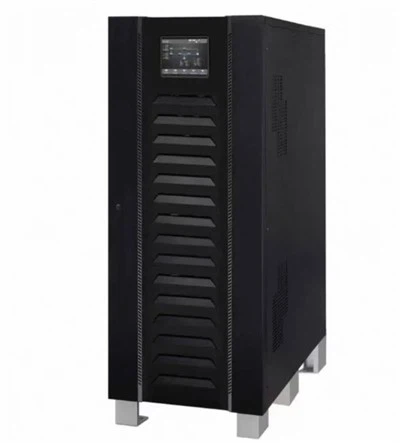
Hey there, fellow home office warriors! If you've ever experienced a sudden power outage while in the middle of an important project or an urgent video call, you know how frustrating it can be. That's where an uninterruptible power supply (UPS) comes in handy. As a supplier of UPS systems, I'm here to share some tips on how to choose the right one for your home office.
Understanding Your Power Needs
The first step in choosing a UPS is to figure out how much power your home office equipment consumes. Make a list of all the devices you use, including your computer, monitor, printer, router, and any other peripherals. Check the power ratings of each device, usually found on the device itself or in the user manual. Add up the wattage of all the devices to get an estimate of your total power consumption.
Keep in mind that some devices, like computers and printers, may have a higher startup wattage than their normal operating wattage. You'll want to account for this when calculating your total power needs. A good rule of thumb is to choose a UPS with a capacity that's at least 20% higher than your total power consumption.
Types of UPS Systems
There are several types of UPS systems available, each with its own features and benefits. Here are the most common types:
Standby UPS
Standby UPS systems are the most basic and affordable type of UPS. They provide power to your devices only when there's a power outage. When the power is normal, the devices are powered directly from the electrical outlet, and the UPS battery is charged. When a power outage occurs, the UPS switches to battery power within a few milliseconds, providing a seamless transition.
Standby UPS systems are suitable for home offices with basic equipment that can tolerate a short interruption in power, such as a desktop computer and a monitor. However, they may not be suitable for sensitive equipment that requires a continuous and stable power supply, such as servers or medical devices.
Line-Interactive UPS
Line-interactive UPS systems are a step up from standby UPS systems. They provide continuous power to your devices, even when the power is normal. The UPS battery is constantly charged, and the UPS monitors the incoming power for any fluctuations. If the power voltage goes out of the acceptable range, the UPS adjusts the voltage to provide a stable power supply to your devices.
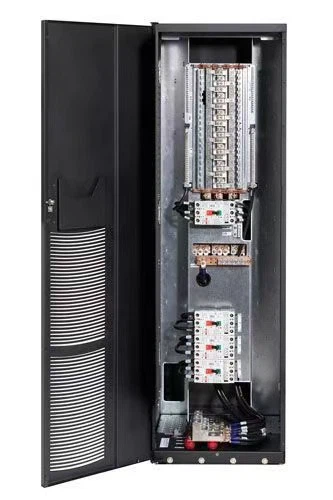
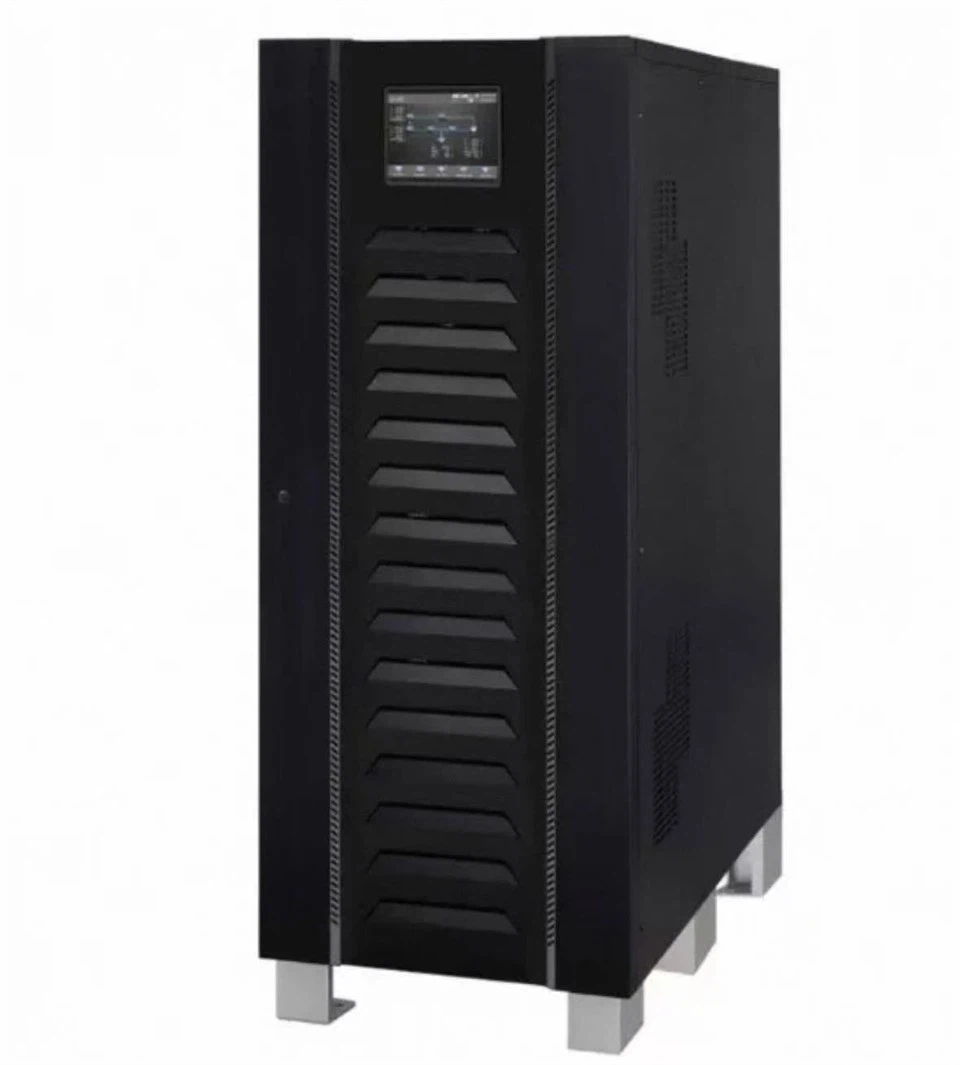
Line-interactive UPS systems are more expensive than standby UPS systems, but they offer better protection against power fluctuations and surges. They're suitable for home offices with more sensitive equipment, such as laptops, printers, and routers.
Online UPS
Online UPS systems are the most advanced and expensive type of UPS. They provide a continuous and stable power supply to your devices, regardless of the quality of the incoming power. The UPS battery is constantly charged, and the UPS converts the incoming AC power to DC power, which is then converted back to AC power before being supplied to your devices.
Online UPS systems offer the highest level of protection against power outages, fluctuations, and surges. They're suitable for home offices with critical equipment that requires a continuous and stable power supply, such as servers, medical devices, and high-end computers.
Battery Backup Time
Another important factor to consider when choosing a UPS is the battery backup time. The battery backup time is the amount of time the UPS can provide power to your devices during a power outage. The backup time depends on several factors, including the capacity of the UPS battery, the power consumption of your devices, and the load on the UPS.
As a general rule, you'll want to choose a UPS with a battery backup time that's long enough to allow you to save your work and shut down your devices properly. For most home offices, a battery backup time of 15 to 30 minutes should be sufficient. However, if you have critical equipment that needs to stay running for a longer period of time, you may need to choose a UPS with a longer battery backup time.
Other Features to Consider
In addition to the type of UPS and the battery backup time, there are several other features you may want to consider when choosing a UPS:
Surge Protection
Surge protection is an important feature that helps protect your devices from power surges and spikes. A UPS with surge protection can prevent damage to your devices caused by lightning strikes, power outages, and other electrical disturbances.
Automatic Voltage Regulation (AVR)
Automatic voltage regulation (AVR) is a feature that helps maintain a stable voltage output from the UPS. AVR can compensate for voltage fluctuations in the incoming power, ensuring that your devices receive a consistent and stable power supply.
USB Connectivity
USB connectivity allows you to connect your UPS to your computer and monitor the status of the UPS and the battery. You can also use the USB connection to configure the UPS settings and receive notifications when the battery is low or when a power outage occurs.
LCD Display
An LCD display on the UPS provides real-time information about the status of the UPS, including the battery level, the input and output voltage, and the load on the UPS. An LCD display can make it easier to monitor the UPS and troubleshoot any issues that may arise.
Our Product Recommendations
As a supplier of UPS systems, we offer a wide range of products to meet the needs of different home offices. Here are some of our recommended products:
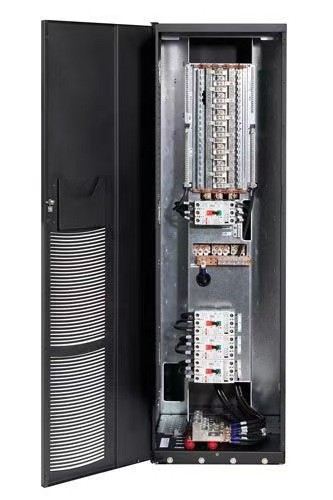
- Industrial Line-frequency UPS: This UPS is designed for industrial applications, but it's also suitable for home offices with high-power equipment. It provides a stable and reliable power supply, even in harsh environments.
- Modular Type Ups: This UPS is a modular system that allows you to customize the capacity and features of the UPS to meet your specific needs. It's easy to install and maintain, and it offers a high level of flexibility.
- Lithium Ion Ups Battery Backup: This UPS uses lithium-ion batteries, which offer a longer lifespan and a higher energy density than traditional lead-acid batteries. It's lightweight and compact, making it ideal for home offices with limited space.
Contact Us for Purchase and Consultation
If you're interested in purchasing a UPS for your home office, or if you have any questions about our products, please don't hesitate to contact us. Our team of experts is available to help you choose the right UPS for your needs and provide you with all the information you need to make an informed decision.
We offer competitive pricing, fast shipping, and excellent customer service. We're committed to providing our customers with the best possible products and services, and we'll do everything we can to ensure your satisfaction.
References
- "Uninterruptible Power Supply (UPS) Buying Guide." Consumer Reports.
- "How to Choose a UPS for Your Home Office." PCMag.
- "UPS Systems: A Guide to Choosing the Right One." Electrical Contractor Magazine.