What are the low - temperature performance requirements for a Shore Power Outlet Box?
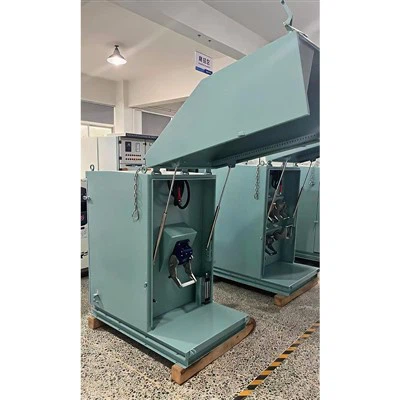
As a supplier of Shore Power Outlet Boxes, I understand the critical importance of these devices in the marine industry. Shore power is a vital connection that allows ships to access on - shore electrical power while docked, reducing emissions and engine noise. However, in many regions, these outlet boxes are exposed to low - temperature environments, which poses unique challenges to their performance. In this blog, we will explore the low - temperature performance requirements for a Shore Power Outlet Box.
1. Impact of Low Temperatures on Shore Power Outlet Boxes
Low temperatures can have a significant impact on the various components of a Shore Power Outlet Box. Firstly, the electrical conductivity of the conductors can be affected. As the temperature drops, the resistance of the conductors increases, which can lead to higher power losses and potential overheating. This is especially concerning when dealing with high - power shore power connections.
Secondly, the mechanical properties of the materials used in the outlet box can change. Plastics and rubbers may become brittle at low temperatures, increasing the risk of cracking or breaking. This can compromise the integrity of the box, allowing moisture and dust to enter, which can cause short - circuits and other electrical problems.
2. Temperature Range Requirements
The low - temperature performance requirements for a Shore Power Outlet Box are typically defined by international standards. For example, the International Electrotechnical Commission (IEC) standards often specify a minimum operating temperature for electrical equipment. In general, a Shore Power Outlet Box should be able to operate effectively in temperatures as low as - 20°C or even lower, depending on the region where it will be installed.
In cold regions such as the Arctic or sub - Arctic areas, the temperature can drop well below - 20°C. In these extreme conditions, the outlet box must be designed to withstand these low temperatures without any significant degradation in performance. This may involve using special materials that have better low - temperature resistance, such as high - density polyethylene (HDPE) for the enclosure or copper - alloy conductors with improved cold - weather performance.
3. Material Selection for Low - Temperature Performance
When it comes to low - temperature performance, material selection is crucial. For the enclosure of the Shore Power Outlet Box, materials that are resistant to cold and brittle fracture are preferred. HDPE is a popular choice due to its excellent impact resistance at low temperatures. It can maintain its mechanical properties even in extremely cold conditions, reducing the risk of cracking.
For the electrical components, such as switches and connectors, materials with good low - temperature conductivity are essential. Copper - alloy conductors are often used because they have relatively stable electrical properties over a wide temperature range. Additionally, the insulation materials used should also be able to withstand low temperatures without losing their insulating properties.
4. Sealing and Protection Against Moisture
In low - temperature environments, moisture can be a major problem. When water freezes, it expands, which can cause damage to the components inside the outlet box. Therefore, a Shore Power Outlet Box must have a high - quality sealing system to prevent moisture from entering.
The sealing gaskets used in the box should be made of materials that are flexible at low temperatures. Silicone rubber is a common choice as it remains elastic even in cold conditions, providing an effective seal against moisture and dust. Regular maintenance and inspection of the sealing system are also necessary to ensure its integrity over time.
5. Heating and Insulation
In some cases, especially in extremely cold regions, additional heating and insulation may be required to maintain the proper operating temperature of the Shore Power Outlet Box. Heating elements can be installed inside the box to prevent the components from getting too cold. These heating elements can be controlled by a thermostat to ensure that the temperature inside the box remains within the acceptable range.
Insulation materials can also be used to reduce heat loss from the box. Fiberglass insulation is a popular choice due to its good thermal insulation properties and low cost. By using insulation, the energy consumption of the heating elements can be reduced, making the system more energy - efficient.
6. Compatibility with Other Marine Electrical Equipment
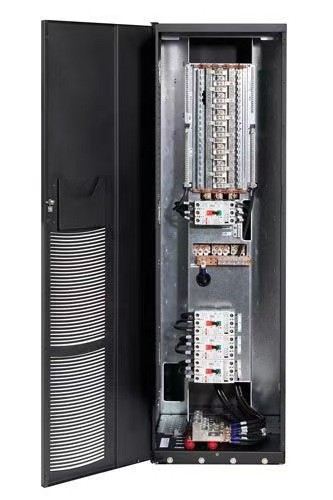
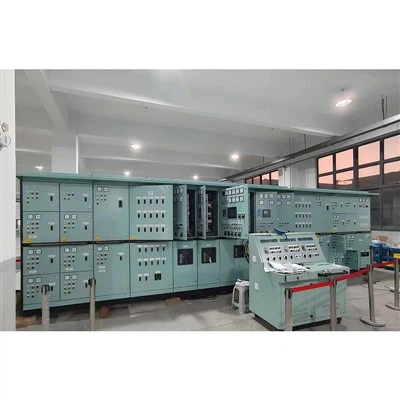
A Shore Power Outlet Box is often part of a larger marine electrical system. It needs to be compatible with other equipment such as Vertical PLC Control Cabinet and Ship's Main Switchboard. In low - temperature environments, the performance of these interconnected systems should not be affected.
For example, the communication between the outlet box and the ship's main switchboard should remain stable at low temperatures. The control signals sent from the Vertical PLC Control Cabinet to the outlet box should be accurately transmitted, ensuring the safe and efficient operation of the shore power connection.


7. Testing and Certification
To ensure that a Shore Power Outlet Box meets the low - temperature performance requirements, it must undergo rigorous testing. These tests typically include temperature cycling tests, where the box is exposed to a range of low and high temperatures to simulate real - world conditions. The box should also be tested for its electrical performance, mechanical integrity, and sealing effectiveness at low temperatures.
Certification from recognized organizations such as the IEC or the American Bureau of Shipping (ABS) is an important indicator of the quality and performance of the outlet box. Customers should look for products that have been certified to meet the relevant standards, especially when operating in low - temperature environments.
8. Conclusion and Call to Action
In conclusion, the low - temperature performance requirements for a Shore Power Outlet Box are complex and multifaceted. From material selection to sealing, heating, and compatibility with other equipment, every aspect needs to be carefully considered to ensure reliable operation in cold environments.
As a supplier of Shore Power Outlet Boxes, we are committed to providing high - quality products that meet the most stringent low - temperature performance requirements. Our products are designed and tested to ensure optimal performance in a wide range of temperatures, giving you peace of mind when it comes to your shore power needs.
If you are in the market for a reliable Shore Power Outlet Box that can withstand low - temperature conditions, we invite you to contact us for more information. Our team of experts is ready to assist you in selecting the right product for your specific requirements. Let's work together to ensure a safe and efficient shore power connection for your vessels.
References
- International Electrotechnical Commission (IEC) standards on electrical equipment for marine applications.
- American Bureau of Shipping (ABS) guidelines for marine electrical systems.