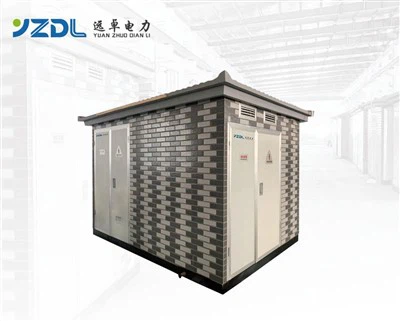
As a supplier of low-voltage switchgear, I am often asked about the monitoring functions of these essential electrical devices. Low-voltage switchgear plays a crucial role in electrical systems, and understanding its monitoring capabilities is vital for ensuring the safety, reliability, and efficiency of power distribution. In this blog post, I will delve into the various monitoring functions of low-voltage switchgear and explain why they are so important.
1. Current Monitoring
One of the primary monitoring functions of low-voltage switchgear is current monitoring. By measuring the current flowing through the switchgear, operators can ensure that the electrical system is operating within its designed capacity. Excessive current can lead to overheating, which can damage the switchgear and other components in the electrical system.
Current monitoring is typically achieved using current transformers (CTs). These devices are installed around the conductors carrying the current and convert the high current into a lower, measurable value. The measured current is then sent to a monitoring device, such as a digital multimeter or a power analyzer.
The data collected from current monitoring can be used for several purposes. For example, it can be used to detect overloads, which occur when the current exceeds the rated capacity of the switchgear. Overloads can cause the switchgear to trip, which can disrupt the power supply. By monitoring the current, operators can take preventive measures to avoid overloads, such as redistributing the load or upgrading the switchgear.
2. Voltage Monitoring
Voltage monitoring is another important function of low-voltage switchgear. Voltage fluctuations can have a significant impact on the performance and lifespan of electrical equipment. For example, overvoltage can cause insulation breakdown, while undervoltage can lead to reduced motor performance and increased energy consumption.
Voltage monitoring is typically achieved using voltage transformers (VTs). These devices are similar to current transformers, but they are used to measure the voltage instead of the current. The measured voltage is then sent to a monitoring device, which can display the voltage value and provide alerts if the voltage goes outside the acceptable range.
In addition to monitoring the voltage level, low-voltage switchgear can also monitor the voltage imbalance. Voltage imbalance occurs when the voltage in the three phases of a three-phase electrical system is not equal. This can cause problems such as overheating of motors and other electrical equipment. By monitoring the voltage imbalance, operators can take corrective measures to ensure that the voltage is balanced.
3. Temperature Monitoring
Temperature monitoring is an important aspect of low-voltage switchgear monitoring. High temperatures can indicate a problem with the switchgear, such as a loose connection or an overloaded circuit. By monitoring the temperature, operators can detect potential problems before they cause a failure.
Temperature monitoring is typically achieved using temperature sensors, such as thermocouples or resistance temperature detectors (RTDs). These sensors are installed at critical points in the switchgear, such as the busbars, circuit breakers, and contactors. The sensors measure the temperature and send the data to a monitoring device, which can display the temperature value and provide alerts if the temperature exceeds a certain threshold.
In addition to monitoring the temperature of the switchgear itself, temperature monitoring can also be used to monitor the ambient temperature in the switchgear room. High ambient temperatures can affect the performance and lifespan of the switchgear. By monitoring the ambient temperature, operators can take measures to ensure that the switchgear is operating in a suitable environment.
4. Energy Monitoring
Energy monitoring is becoming increasingly important in today's energy-conscious world. Low-voltage switchgear can be equipped with energy meters to measure the energy consumption of the electrical system. This data can be used to identify areas of high energy consumption and implement energy-saving measures.
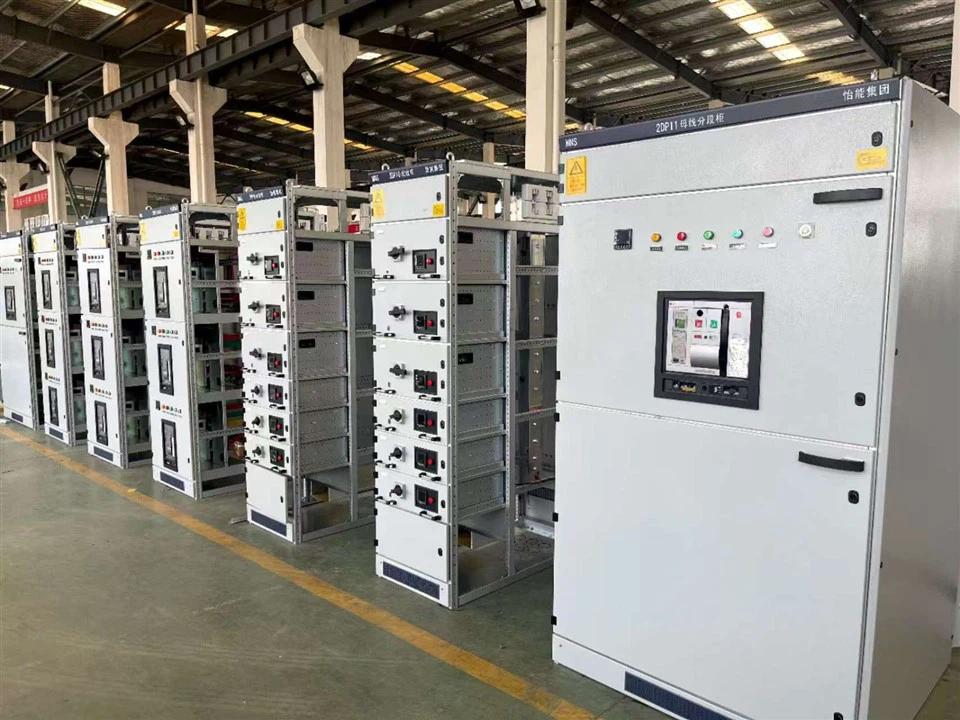

Energy meters can measure various parameters, such as active power, reactive power, apparent power, and energy consumption. The data collected from the energy meters can be used to generate energy reports, which can provide valuable insights into the energy usage of the electrical system. These reports can be used to identify energy-saving opportunities, such as optimizing the operation of electrical equipment or implementing energy-efficient lighting systems.
5. Fault Monitoring
Fault monitoring is a critical function of low-voltage switchgear. Faults can occur in the electrical system due to various reasons, such as short circuits, ground faults, and overloads. By monitoring the electrical system for faults, operators can quickly detect and isolate the fault, minimizing the impact on the power supply.
Fault monitoring is typically achieved using protective relays. These devices are designed to detect abnormal electrical conditions, such as overcurrent, overvoltage, and undercurrent. When a fault is detected, the protective relay sends a signal to the circuit breaker, which trips to isolate the fault.
In addition to detecting faults, protective relays can also provide information about the type and location of the fault. This information can be used to quickly diagnose and repair the fault, reducing the downtime of the electrical system.
6. Communication and Remote Monitoring
Modern low-voltage switchgear is often equipped with communication capabilities, allowing operators to monitor and control the switchgear remotely. This is particularly useful for large electrical systems or systems that are located in remote locations.
Communication can be achieved using various protocols, such as Modbus, Profibus, and Ethernet. These protocols allow the switchgear to communicate with a central monitoring system, which can display the status of the switchgear and provide alerts if any problems are detected.
Remote monitoring also allows operators to perform diagnostic tests on the switchgear without having to be physically present at the site. This can save time and money, especially for large electrical systems.
Conclusion
In conclusion, the monitoring functions of low-voltage switchgear are essential for ensuring the safety, reliability, and efficiency of electrical systems. By monitoring parameters such as current, voltage, temperature, energy consumption, and faults, operators can detect potential problems before they cause a failure and take preventive measures to avoid downtime.
If you are in the market for low-voltage switchgear, I encourage you to consider our products. We offer a wide range of LV Draw-Out Switchgear, Power Compensation Cabinet, and Outdoor Fiber Distribution Box that are designed to meet the needs of various applications. Our switchgear is equipped with advanced monitoring functions to ensure the optimal performance of your electrical system.
If you have any questions or would like to discuss your specific requirements, please feel free to contact us. We look forward to the opportunity to work with you and provide you with the best low-voltage switchgear solutions.
References
- Electrical Power Systems by Turan Gonen
- Handbook of Electrical Engineering by John G. Kassakian, Mark F. Schlecht, and George C. Verghese
- Low-Voltage Switchgear and Controlgear by IEC 60947 standards