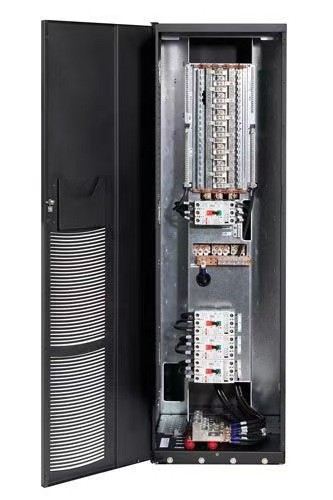
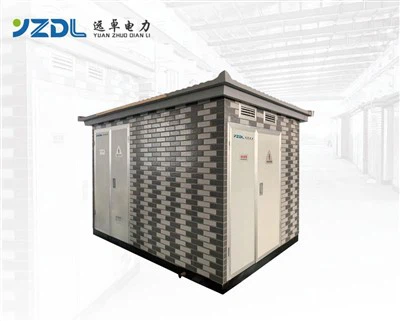
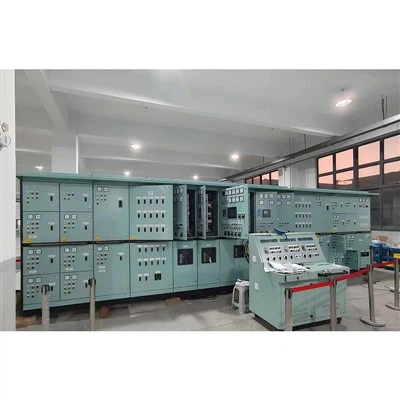
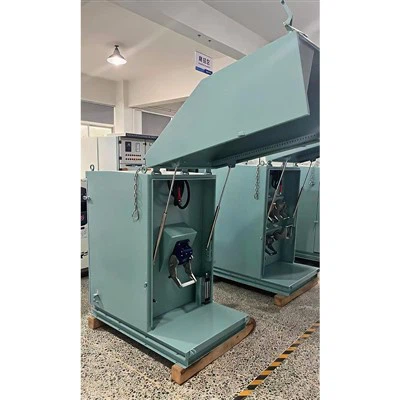
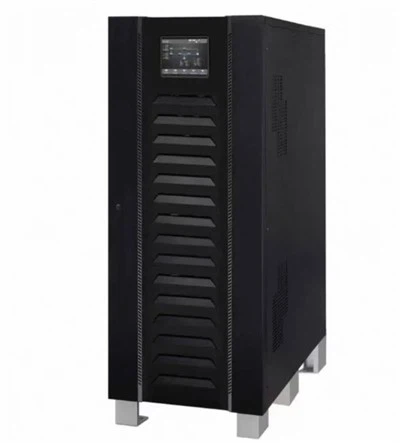
As a cable distribution box supplier, I've seen firsthand how electromagnetic interference (EMI) can throw a wrench into the works. EMI is basically the disruption caused by electromagnetic radiation on electrical circuits. It can come from all sorts of sources, like power lines, radio waves, and even other electronic devices. In this blog, I'll dig into the impact of EMI on cable distribution boxes and why it's a big deal for us in the business.
How EMI Affects Cable Distribution Boxes
Let's start with the basics. A cable distribution box is like the central hub for all the cables in a system. It's where the magic happens, connecting different cables and making sure the power or data flows smoothly. But when EMI comes into play, it can mess up this whole process.
One of the most common effects of EMI on cable distribution boxes is signal interference. When electromagnetic waves interact with the cables inside the box, they can cause the signals to get distorted. This means that the data or power being transmitted might not reach its destination correctly. For example, in a Cable Internet Distribution Box, EMI can lead to slow internet speeds, dropped connections, or even complete signal loss.
Another issue is component damage. EMI can generate heat and electrical surges that can damage the sensitive components inside the cable distribution box. This includes things like circuit boards, connectors, and switches. Over time, this damage can lead to system failures and costly repairs.
EMI can also affect the safety of the cable distribution box. If the interference causes a short circuit or other electrical problems, it can pose a fire hazard. This is a serious concern, especially in commercial and industrial settings where there are a lot of cables and electrical equipment.
Sources of EMI
Now that we know how EMI affects cable distribution boxes, let's take a look at where it comes from. There are two main types of EMI sources: natural and man-made.
Natural sources of EMI include things like lightning, solar flares, and cosmic radiation. These events can generate powerful electromagnetic waves that can interfere with electrical systems. While we can't control these natural sources, we can take steps to protect our cable distribution boxes from their effects.
Man-made sources of EMI are more common and can be found in our everyday lives. Some examples include power lines, electrical motors, and electronic devices like smartphones and laptops. These devices emit electromagnetic radiation as they operate, and if they're close to a cable distribution box, they can cause interference.
Mitigating the Impact of EMI
So, what can we do to reduce the impact of EMI on cable distribution boxes? There are several strategies that we can use.
One of the most effective ways to mitigate EMI is to use shielding. Shielding involves wrapping the cables and components inside the cable distribution box with a conductive material, like copper or aluminum. This material acts as a barrier, blocking the electromagnetic waves from reaching the cables and components. There are different types of shielding available, including foil shielding, braided shielding, and combination shielding.
Another strategy is to use filters. Filters are devices that can remove unwanted electromagnetic frequencies from the signals passing through the cable distribution box. They work by allowing only the desired frequencies to pass through, while blocking the rest. There are different types of filters available, including low-pass filters, high-pass filters, and band-pass filters.
Proper grounding is also important for reducing the impact of EMI. Grounding involves connecting the cable distribution box to the earth, which helps to dissipate the electrical charges and reduce the risk of electrical problems. It's important to make sure that the grounding system is properly installed and maintained to ensure its effectiveness.
The Importance of Quality Cable Distribution Boxes
When it comes to dealing with EMI, the quality of the cable distribution box matters. A high-quality cable distribution box is designed to be more resistant to EMI and other types of interference. It will have better shielding, filters, and grounding systems, which can help to reduce the impact of EMI on the cables and components inside the box.
As a Cable Branch Box supplier, I always make sure that our products are made with the highest quality materials and components. We use advanced manufacturing techniques and testing procedures to ensure that our cable distribution boxes meet the highest standards of performance and reliability.
Conclusion
In conclusion, electromagnetic interference can have a significant impact on cable distribution boxes. It can cause signal interference, component damage, and safety hazards. However, by using shielding, filters, and proper grounding, we can reduce the impact of EMI and ensure that our cable distribution boxes operate smoothly and safely.
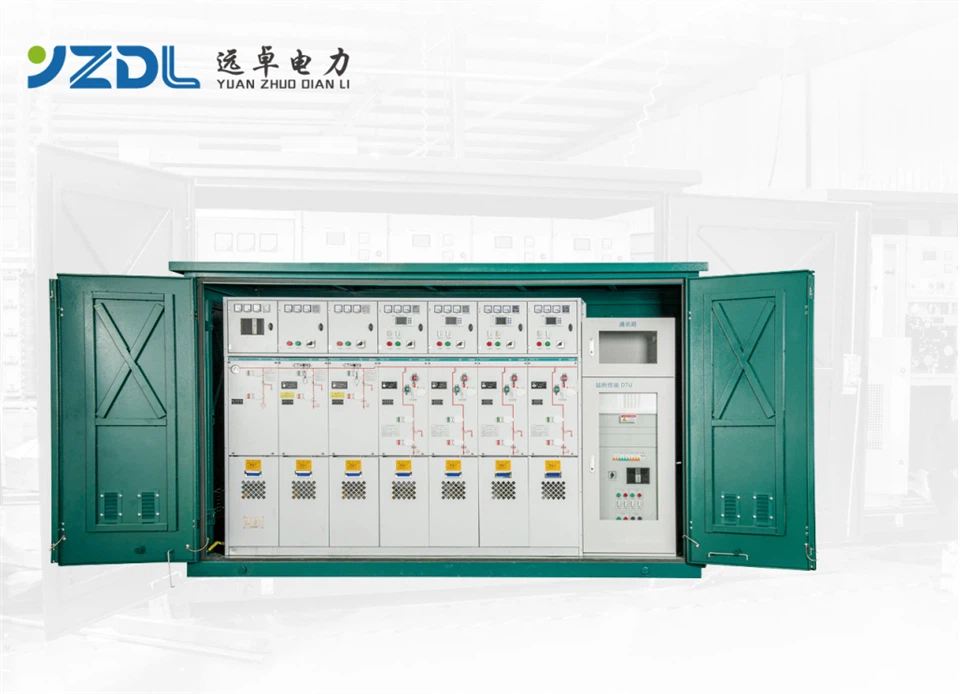
If you're in the market for a cable distribution box, I encourage you to contact us to discuss your needs. We have a wide range of products available, including Cable Branch Box, Electrical Ring Main Unit, and Cable Internet Distribution Box. Our team of experts can help you choose the right product for your application and provide you with the support and service you need.

References
- "Electromagnetic Interference (EMI) and Radio Frequency Interference (RFI) Basics." Electronics Notes.
- "Cable Shielding: Types and Applications." Electrical Engineering Portal.
- "Grounding and Bonding in Electrical Systems." NFPA 70: National Electrical Code.