Hey there! As a supplier of renewable energy equipment, I often get asked about the energy density differences between different types of renewable energy equipment. It's a super important topic, especially as more and more people are looking to make the switch to clean energy. So, let's dive right in and explore this fascinating subject.
First off, what exactly is energy density? Well, it's basically a measure of how much energy can be stored in a given volume or mass. In the context of renewable energy equipment, it tells us how much power we can get from a particular device or system. The higher the energy density, the more energy we can store or generate in a smaller space, which is a huge advantage, especially when space is limited.
Let's start with solar panels. Solar energy is one of the most popular forms of renewable energy, and for good reason. Solar panels work by converting sunlight into electricity. The energy density of solar panels can vary depending on a few factors, like the type of solar cells used and the efficiency of the panel. Generally speaking, modern solar panels have an energy density of around 100 - 200 watts per square meter. That might not sound like a whole lot, but when you consider that you can install multiple panels on a rooftop or in a solar farm, the total energy output can be quite significant.
One of the great things about solar panels is that they can be installed almost anywhere there's sunlight. They're also relatively low - maintenance, which makes them a popular choice for both residential and commercial applications. However, the energy output of solar panels is highly dependent on the amount of sunlight they receive. So, in areas with less sunlight, the energy density and overall output can be lower.
Next up, wind turbines. Wind energy is another major player in the renewable energy game. Wind turbines work by converting the kinetic energy of the wind into electrical energy. The energy density of wind turbines is much higher than that of solar panels. A large - scale wind turbine can have an energy density of several megawatts per square meter of swept area. That's a huge difference compared to solar panels!
The key to the high energy density of wind turbines is their ability to capture a large amount of wind energy over a relatively large area. However, wind turbines also have some limitations. They need a consistent and strong wind source to operate efficiently. So, they're usually installed in areas with high wind speeds, like coastal regions or open plains. Also, wind turbines can be quite large and noisy, which can be a concern for some people.
Now, let's talk about hydroelectric power. Hydroelectric power plants generate electricity by using the energy of flowing water. The energy density of hydroelectric power can be extremely high, especially in large - scale dams. A large hydroelectric dam can produce gigawatts of power, making it one of the most powerful sources of renewable energy.
The advantage of hydroelectric power is its reliability. As long as there's a consistent water source, the power output can be relatively stable. However, building a hydroelectric dam can be a huge engineering project, and it can have significant environmental impacts, such as flooding large areas of land and disrupting ecosystems.
Biomass energy is another form of renewable energy. Biomass can include things like wood, agricultural waste, and even dedicated energy crops. Biomass energy is generated by burning these materials to produce heat or electricity. The energy density of biomass can vary depending on the type of biomass and the efficiency of the conversion process. Generally, the energy density of biomass is lower than that of fossil fuels, but it's still a valuable source of renewable energy, especially in rural areas where biomass is readily available.
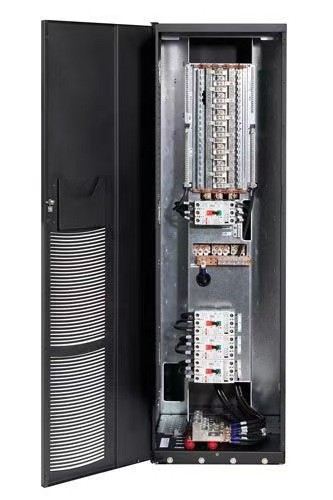
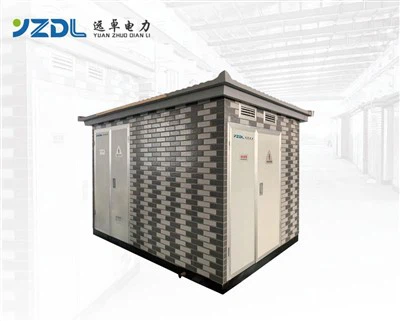
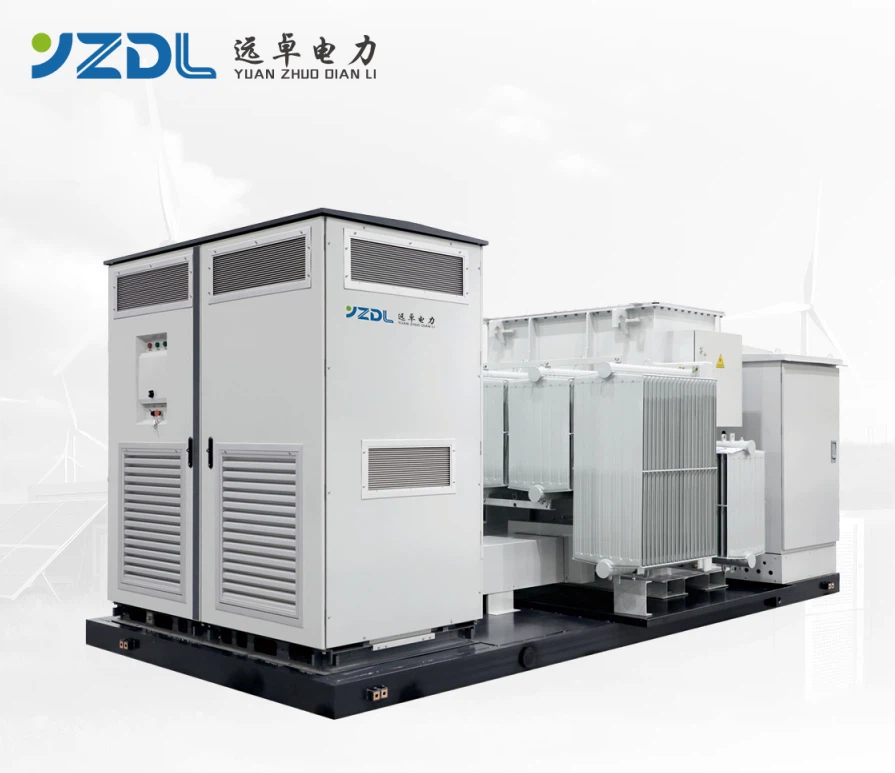
Now, let's take a look at some of the equipment we offer as a renewable energy equipment supplier. We have a range of products that can help you make the most of different renewable energy sources. For example, our Containerized Substation is a great solution for integrating renewable energy into the grid. It's a compact and efficient way to transform and distribute electricity from renewable sources.
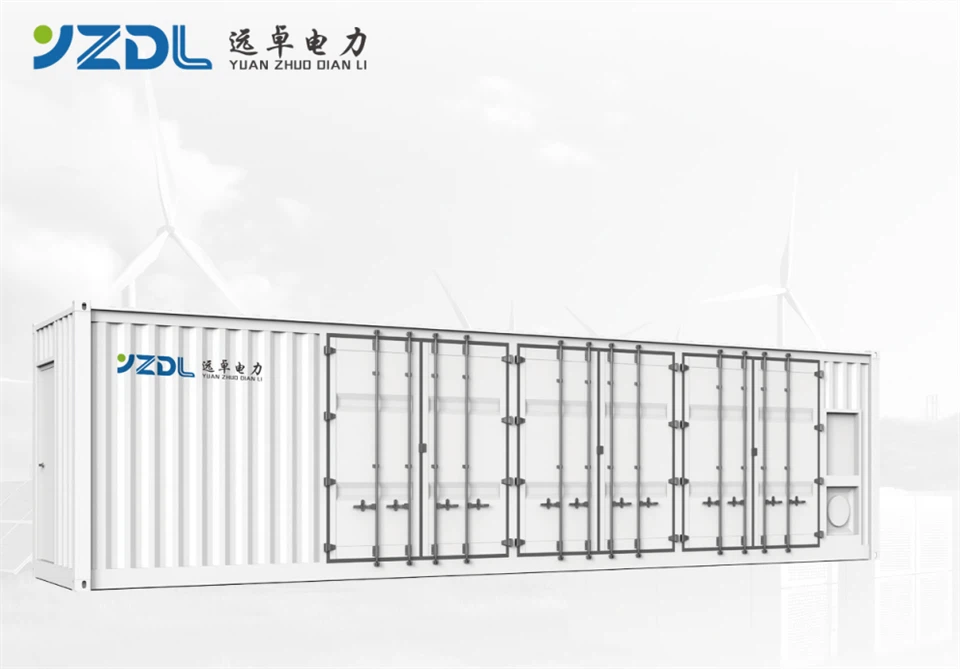
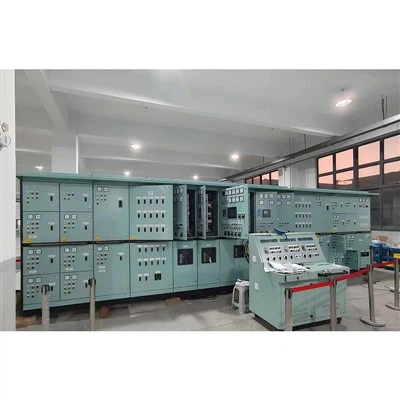
Our Integrated Energy Storage Cabin is another important product. Energy storage is crucial for renewable energy systems, as it allows us to store excess energy generated during peak production times and use it when the energy production is low. This helps to make renewable energy more reliable and stable.
And then there's our Containerized Electrical Substation. It's designed to be easily transportable and installed, making it a great option for remote or off - grid renewable energy projects.
So, why does all this matter? Well, understanding the energy density differences between different types of renewable energy equipment is essential for making informed decisions about which renewable energy sources and equipment are right for your needs. Whether you're a homeowner looking to install solar panels on your roof, a business owner considering a large - scale wind farm, or a utility company looking to integrate more renewable energy into the grid, knowing the energy density of different equipment can help you optimize your energy production and storage.
If you're interested in learning more about our renewable energy equipment or have any questions about energy density and how it relates to your specific project, don't hesitate to reach out. We're here to help you make the most of renewable energy and find the best solutions for your energy needs. Whether you're just starting to explore renewable energy or you're looking to expand your existing renewable energy system, we can provide you with the information and products you need.
In conclusion, the energy density differences between different types of renewable energy equipment play a crucial role in determining the efficiency and effectiveness of renewable energy systems. By understanding these differences, we can make better choices about which renewable energy sources and equipment to use, and ultimately, contribute to a more sustainable future.
References
- "Renewable Energy: Sources for Fuels and Electricity" by John Twidell and Tony Weir
- "Energy and the Environment: Sources, technologies, and impacts" by John H. Cushman Jr.