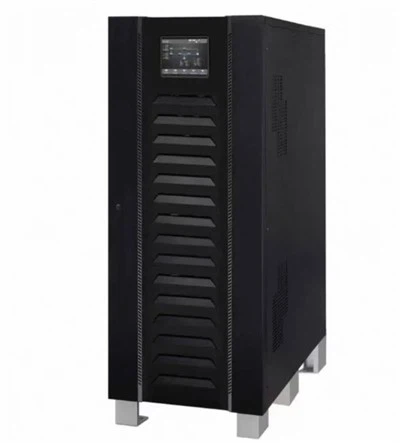
Hey there, fellow maritime enthusiasts! I'm a supplier of Ship's Main Switchboard, and today, I'm diving deep into the power quality requirements for a ship's main switchboard. It's a topic that's super important for anyone involved in the marine industry, whether you're a shipowner, a marine engineer, or just someone curious about how these massive vessels keep their lights on and engines running.
Understanding Power Quality
First off, let's talk about what power quality actually means. In simple terms, power quality refers to the characteristics of electrical power that allow electrical equipment to function properly. For a ship's main switchboard, this means ensuring that the electricity it distributes is clean, stable, and free from any disturbances that could damage sensitive equipment or cause operational issues.
Voltage Stability
One of the most critical aspects of power quality is voltage stability. The voltage supplied to the ship's main switchboard needs to remain within a specific range to ensure that all electrical equipment operates correctly. Fluctuations in voltage can lead to a variety of problems, from overheating and premature failure of electrical components to malfunctions in critical systems.
For example, if the voltage is too high, it can cause insulation breakdown in electrical cables and equipment, leading to short circuits and potential fires. On the other hand, if the voltage is too low, motors may not start or may run at reduced efficiency, which can affect the ship's propulsion and other essential systems.
Frequency Stability
Another important factor is frequency stability. The frequency of the electrical power supplied to the ship's main switchboard should be maintained at a constant value, typically 50 or 60 Hz, depending on the ship's design and the region it operates in. Deviations from the standard frequency can cause problems with the operation of electrical motors, generators, and other equipment.
For instance, if the frequency is too high, motors may run at a higher speed than designed, which can lead to increased wear and tear and potential damage. Conversely, if the frequency is too low, motors may not run at their optimal speed, resulting in reduced efficiency and performance.
Harmonics
Harmonics are another aspect of power quality that can have a significant impact on the operation of a ship's main switchboard. Harmonics are unwanted frequencies that are multiples of the fundamental frequency (e.g., 50 or 60 Hz). They can be caused by a variety of sources, including non-linear loads such as variable speed drives, rectifiers, and electronic equipment.
Harmonics can cause a range of problems, including increased heating in electrical equipment, interference with communication systems, and reduced power factor. To mitigate the effects of harmonics, it's important to use filters and other equipment designed to reduce harmonic distortion.
Power Quality Requirements for a Ship's Main Switchboard
Now that we have a better understanding of power quality, let's take a look at the specific requirements for a ship's main switchboard. These requirements are typically defined by international standards and regulations, as well as the ship's design and operational requirements.
Voltage Tolerance
The voltage tolerance for a ship's main switchboard is typically specified as a percentage of the nominal voltage. For example, the International Electrotechnical Commission (IEC) standard 60092-501 specifies a voltage tolerance of ±5% for ships operating at 440 V. This means that the voltage supplied to the main switchboard should remain within the range of 418 V to 462 V.
Frequency Tolerance
Similarly, the frequency tolerance for a ship's main switchboard is also specified as a percentage of the nominal frequency. The IEC standard 60092-501 specifies a frequency tolerance of ±0.5 Hz for ships operating at 50 or 60 Hz. This means that the frequency of the electrical power supplied to the main switchboard should remain within the range of 49.5 to 50.5 Hz or 59.5 to 60.5 Hz, respectively.
Power Factor
Power factor is a measure of how efficiently electrical power is being used. A high power factor indicates that the electrical equipment is using the electrical power effectively, while a low power factor indicates that there is a significant amount of reactive power being wasted.
For a ship's main switchboard, a power factor of at least 0.9 is typically required. This can be achieved by using power factor correction equipment, such as capacitors, to reduce the amount of reactive power in the electrical system.
Harmonic Distortion
As mentioned earlier, harmonics can cause a range of problems in a ship's electrical system. To limit the effects of harmonics, the IEC standard 61000-3-2 specifies limits for harmonic distortion in electrical equipment. For a ship's main switchboard, the total harmonic distortion (THD) should be limited to 5% or less.
How We Ensure Power Quality
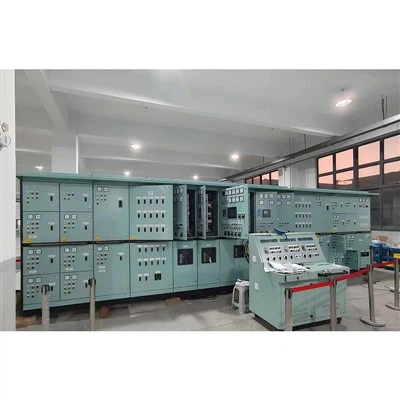
As a Ship's Main Switchboard supplier, we take power quality very seriously. We use the latest technology and equipment to ensure that our switchboards meet the highest standards of power quality.
Design and Engineering
Our team of experienced engineers uses advanced design software to optimize the layout and configuration of our switchboards. This helps to minimize the length of electrical cables, reduce the risk of electromagnetic interference, and improve the overall efficiency of the electrical system.
Component Selection
We carefully select the components used in our switchboards to ensure that they are of the highest quality and meet the specific requirements of the ship's electrical system. We use high-quality circuit breakers, contactors, and other electrical components that are designed to withstand the harsh marine environment.


Testing and Certification
Before our switchboards are shipped to our customers, they undergo rigorous testing and certification to ensure that they meet the relevant international standards and regulations. We use state-of-the-art testing equipment to measure the voltage, frequency, power factor, and harmonic distortion of the switchboards and ensure that they are within the specified limits.
Related Products
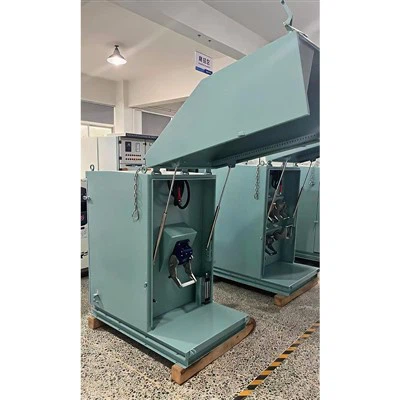
In addition to our Ship's Main Switchboard, we also offer a range of other marine electrical products, including Shore Power Outlet Box and Vertical PLC Control Cabinet. These products are designed to work together to provide a complete solution for the electrical system of a ship.
Contact Us for Purchase and Consultation
If you're in the market for a Ship's Main Switchboard or any other marine electrical products, we'd love to hear from you. Our team of experts can help you choose the right products for your specific needs and provide you with all the information you need to make an informed decision.
Whether you're a shipowner, a marine engineer, or a contractor, we're here to help. Contact us today to discuss your requirements and get a quote. We look forward to working with you!
References
- International Electrotechnical Commission (IEC). (2018). IEC 60092-501: Electrical installations in ships - Part 501: Main and auxiliary switchboards.
- International Electrotechnical Commission (IEC). (2019). IEC 61000-3-2: Electromagnetic compatibility (EMC) - Part 3-2: Limits - Limits for harmonic current emissions (equipment input current ≤ 16 A per phase).