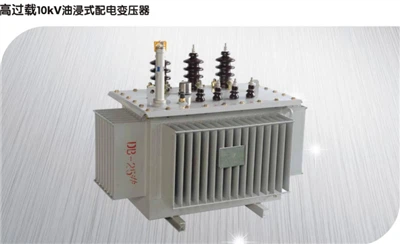
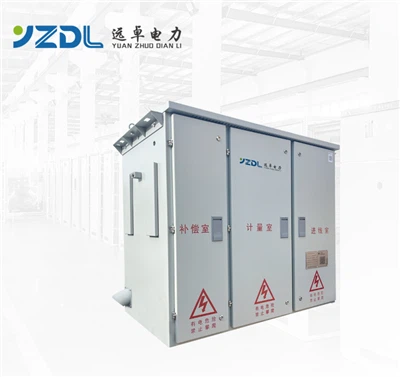
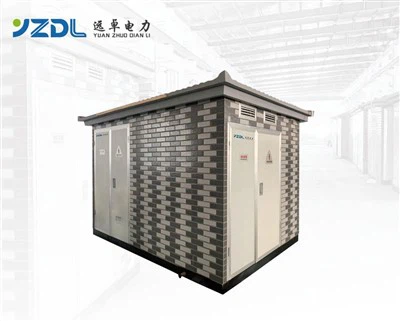
Hey there! I'm a supplier of HV Prefabricated Substations, and today I wanna talk about the environmental requirements for these bad boys. HV Prefabricated Substations are super important in the power distribution system, and getting the environmental conditions right is crucial for their proper functioning and long - term performance.
Temperature Requirements
First off, let's talk about temperature. HV Prefabricated Substations are designed to operate within a specific temperature range. Generally, the ambient temperature should be between - 25°C and 40°C. When it's too cold, like below - 25°C, the insulating materials used in the substation can become brittle. This can lead to cracks and breakdowns in the insulation, which is a big no - no as it can cause electrical failures.
On the other hand, when the temperature soars above 40°C, the electrical components in the substation can overheat. The transformers, for example, generate heat during operation. If the ambient temperature is already high, it becomes difficult for them to dissipate the heat effectively. This can reduce the lifespan of the components and increase the risk of malfunctions.
We've seen some cases where substations located in extremely hot regions faced issues with overheating. One of our clients in a desert area had to install additional cooling systems to keep the substation within the acceptable temperature range. It's really important to consider the local climate when installing an HV Prefabricated Substation.
Humidity Conditions
Humidity is another key factor. The relative humidity should typically be below 95% (non - condensing). High humidity can cause moisture to accumulate on the electrical components. This moisture can lead to corrosion of metal parts, which can weaken the structure of the substation and also affect the electrical conductivity.
In areas with high humidity, like coastal regions, we often recommend using special anti - corrosion coatings on the substation's exterior and interior components. We once supplied a substation to a coastal town. After a few months, the client reported some minor corrosion issues. We quickly advised them to apply a protective coating, and that solved the problem.
Altitude Considerations
Altitude also plays a role. As the altitude increases, the air density decreases. This affects the insulation performance of the substation. For every 1000 meters increase in altitude, the insulation strength of the substation can decrease by about 8 - 10%.
If you're planning to install an HV Prefabricated Substation at a high - altitude location, you need to make sure that the substation is designed to handle the reduced air density. We've had clients in mountainous regions who had to modify their substation specifications to account for the high altitude.
Air Quality
The quality of the air around the substation is also important. Air pollution, especially the presence of dust, salt, and chemical pollutants, can have a negative impact on the substation. Dust can accumulate on the insulators, reducing their insulation performance. Salt in the air, particularly in coastal areas, can cause corrosion.
Chemical pollutants, such as sulfur dioxide and nitrogen oxides, can react with the moisture in the air to form acidic substances. These acids can corrode the metal parts of the substation and damage the insulation. We always recommend installing the substation in an area with good air quality. If that's not possible, proper filtration systems can be installed to protect the substation from harmful pollutants.
Solar Radiation
Solar radiation can heat up the substation. In sunny areas, the substation can absorb a significant amount of heat from the sun. This can increase the internal temperature of the substation, which as we mentioned earlier, can lead to overheating of the components.
To mitigate the effects of solar radiation, we often recommend using reflective coatings on the substation's exterior. These coatings can reflect a large portion of the sunlight, reducing the amount of heat absorbed by the substation.
Landscape and Installation Location
The landscape around the substation also matters. It should be installed on a flat and stable surface. Uneven ground can cause stress on the substation's structure, leading to cracks and damage over time.
Moreover, the substation should be located away from sources of vibration, such as industrial machinery or busy roads. Vibration can cause loose connections in the electrical components, which can lead to electrical failures.
If you're interested in a Landscape - Type Transformer Substation, it's designed to blend in with the surrounding environment. It's a great option for areas where aesthetics are important.
Safety and Clearance
There should be sufficient clearance around the HV Prefabricated Substation. This is important for safety reasons. It allows for easy access for maintenance and inspection. It also reduces the risk of accidental contact with the substation.
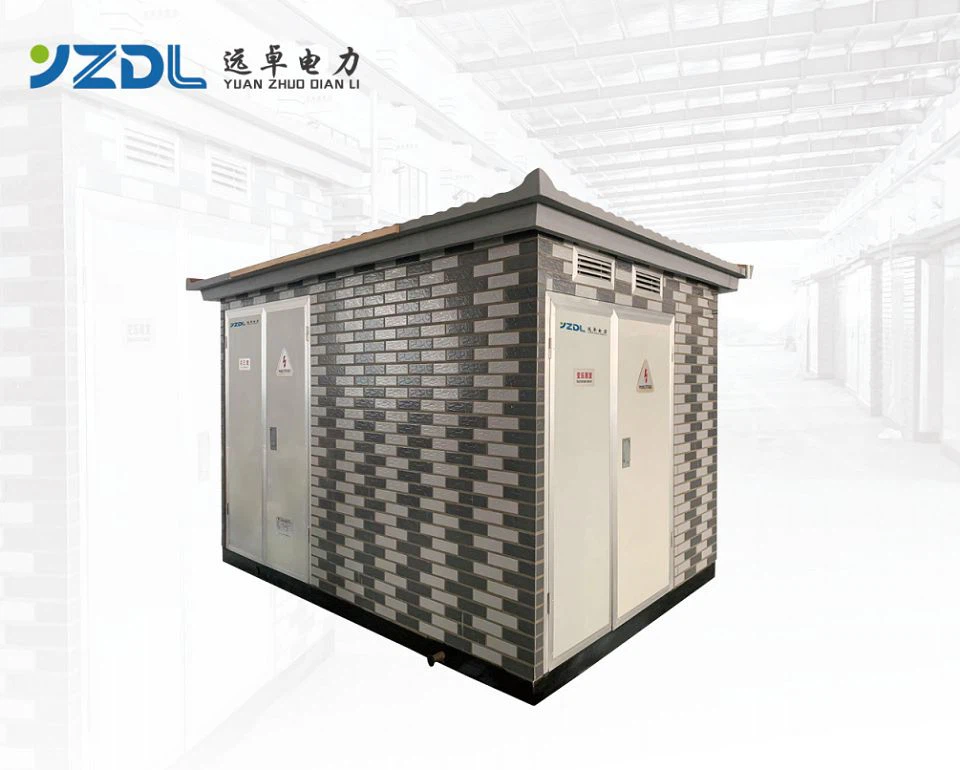

The clearance requirements can vary depending on the voltage level of the substation. Higher - voltage substations generally require more clearance.
Noise and Environmental Impact
HV Prefabricated Substations can generate some noise during operation. This noise can be a nuisance to the surrounding area. We try to design our substations to minimize noise levels. For example, we use sound - insulating materials in the construction of the substation.
In addition, we're also conscious of the environmental impact of our substations. We strive to use environmentally friendly materials in the manufacturing process and ensure that the substation is energy - efficient.
If you're in the market for an HV Prefabricated Substation, we've got you covered. We offer a wide range of substations that can meet different environmental requirements. And if you're looking for a more specific type, like an American Substation, we can provide that too.
If you have any questions or are interested in purchasing an HV Prefabricated Substation, don't hesitate to reach out. We're here to help you find the perfect solution for your power distribution needs.
References
- Electrical Equipment Installation and Maintenance Handbook
- Environmental Guidelines for Power Substations