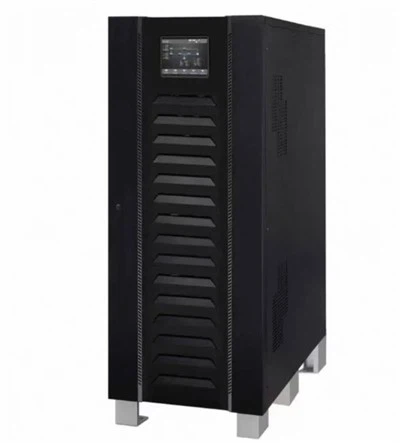
Hey there! As a transformer supplier, I often get asked whether a transformer can be used for question - answering systems. At first glance, it might seem like an odd question because when we think of transformers, we usually picture those big electrical devices that change voltage levels in power systems. But in the world of AI, "transformer" has a whole different meaning.
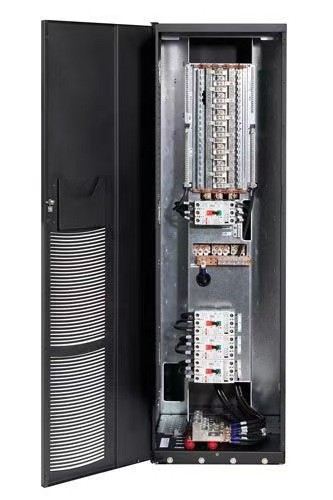
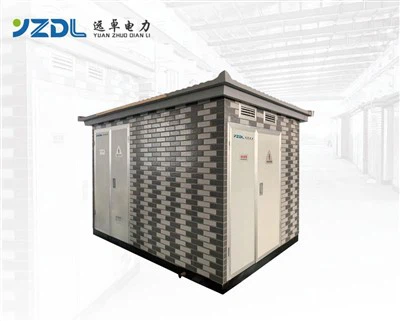
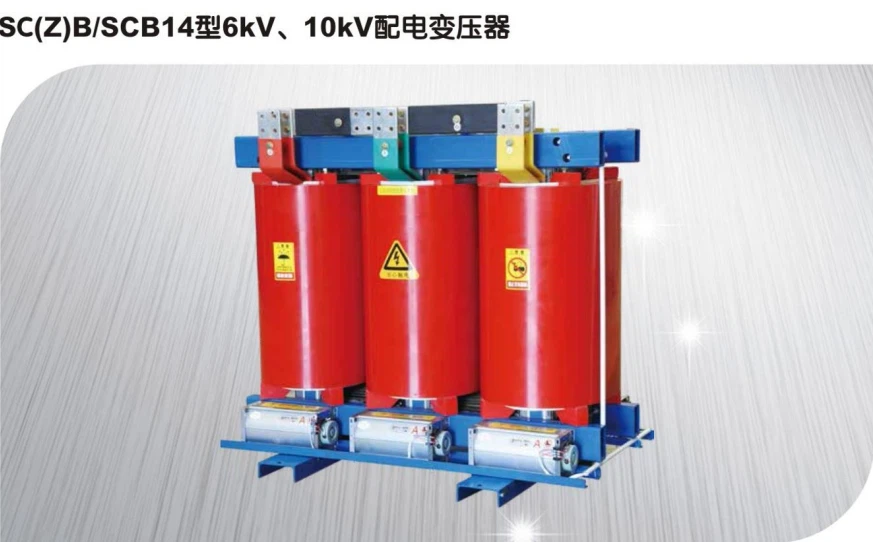
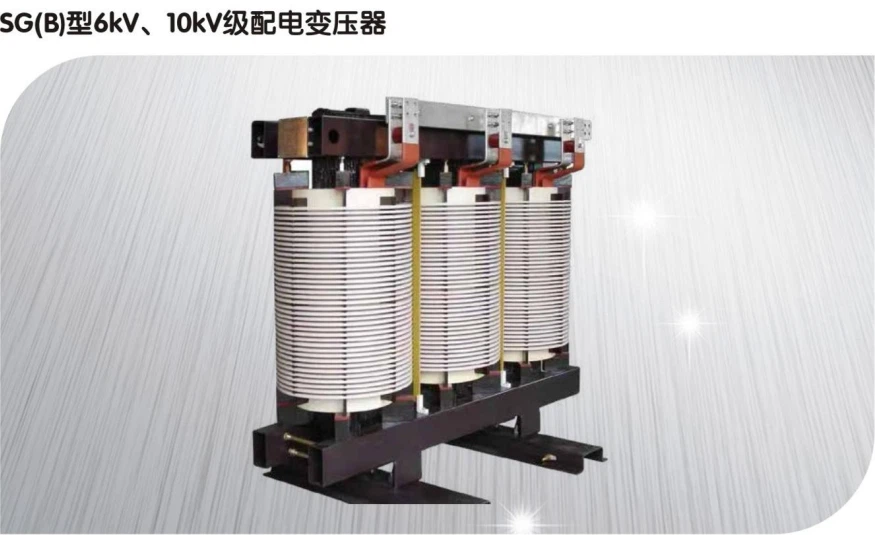
Let's start by clarifying the two types of transformers. In the electrical domain, we have various kinds of transformers like the Dry Type Pad Mounted Transformer and Immersed Transformer. These are essential for power distribution, ensuring that electricity is delivered safely and efficiently to homes and businesses.
On the other hand, in the field of artificial intelligence, a transformer is a type of neural network architecture. It was introduced in the paper "Attention Is All You Need" in 2017. This AI - based transformer has revolutionized natural language processing (NLP) tasks, including question - answering systems.
How AI Transformers Work for Question - Answering
AI transformers work on the principle of self - attention. Self - attention allows the model to weigh the importance of different parts of the input sequence when making predictions. In a question - answering system, this means that the transformer can focus on the most relevant parts of the question and the context to find the best answer.
For example, when a user asks a question, the transformer first tokenizes the question into smaller units (tokens). Then, it processes these tokens through multiple layers of self - attention and feed - forward neural networks. Each layer refines the representation of the input, gradually extracting more meaningful information.
The output of the transformer is a probability distribution over possible answers. The system then selects the answer with the highest probability. This process is incredibly powerful because it can handle complex questions and long - form text.
Advantages of Using Transformers in Question - Answering Systems
1. High Accuracy
Transformers can understand the context and semantics of the question very well. They can handle a wide range of question types, from simple factual queries to more complex, open - ended questions. For instance, if you ask "What is the capital city of France?", a well - trained transformer - based question - answering system can quickly and accurately provide the answer, "Paris".
2. Flexibility
Transformers can be fine - tuned on specific datasets. This means that you can train a transformer to answer questions in a particular domain, such as medicine, finance, or technology. For example, a healthcare provider could fine - tune a transformer to answer patient - related questions about symptoms, treatments, and medications.
3. Scalability
As the size of the transformer model increases, its performance generally improves. Large - scale transformer models like GPT - 3 have shown remarkable capabilities in answering a vast array of questions. These models can be used in various applications, from chatbots to search engines.
Challenges of Using Transformers in Question - Answering Systems
1. Computational Resources
Training and running large - scale transformer models require a significant amount of computational power. This means high costs in terms of hardware and energy consumption. For small businesses or researchers with limited resources, it can be difficult to afford the necessary infrastructure.
2. Data Quality
The performance of a transformer - based question - answering system heavily depends on the quality of the training data. If the data is noisy, incomplete, or biased, the system's answers may be inaccurate or unreliable. For example, if a training dataset contains a lot of misinformation, the model may learn to provide incorrect answers.
3. Interpretability
Transformers are often considered "black boxes". It can be challenging to understand how the model arrives at a particular answer. This lack of interpretability can be a problem in applications where transparency is crucial, such as in legal or medical settings.
Real - World Applications
Transformers are already being used in many real - world question - answering systems. For example, search engines like Google are constantly improving their question - answering capabilities using transformer - based models. Chatbots in customer service also rely on transformers to provide accurate and helpful responses to customer queries.
In the academic world, researchers are using transformers to develop question - answering systems for educational purposes. These systems can help students learn by providing instant answers to their questions and guiding them through complex topics.
Conclusion
So, can a transformer be used for question - answering systems? Absolutely! In the AI realm, transformers have proven to be a powerful tool for building high - performance question - answering systems. However, like any technology, they come with their own set of challenges.
If you're interested in using transformers for your question - answering needs or if you're looking for electrical transformers for your power systems, we're here to help. We have a wide range of products and expertise to support your requirements. Whether it's an AI - based transformer solution or a traditional electrical transformer, we can provide you with the best options. Reach out to us to start a discussion about your specific needs and let's work together to find the perfect solution.
References
- Vaswani, A., Shazeer, N., Parmar, N., Uszkoreit, J., Jones, L., Gomez, A. N., ... & Polosukhin, I. (2017). Attention is all you need. Advances in neural information processing systems.